
Togo obtains $20M in new financing to expand WURI digital ID project
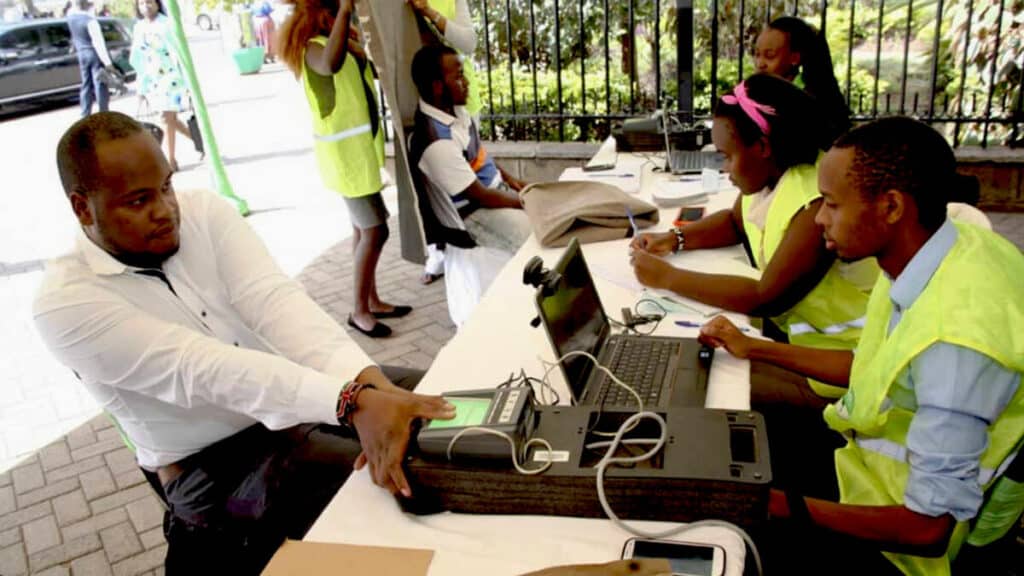
The Togolese government has sealed a financing agreement with the World Bank which will make available a further $20 million for the expansion of the West Africa Unique Identification for Regional Integration and Inclusion Project (WURI).
Togo First reports that the agreement is one of five sealed recently when the World Bank’s Managing Director of Operations, Anna Bjerde, came to Lomé for a working visit. A related project is the Regional Social Cohesion Project (COSO) worth $69 million particularly targeting northern Togo where identity will help stabilize communities and foster trust in governance
WURI is a World Bank-sponsored project involving six West African nations, among them Togo. Launched in 2018 as Phase I, the initiative was designed to establish a common cross-border identification system to facilitate access to services and enhance regional integration efforts. Funding for WURI Togo is estimated at around $72 million. Togo is part of the project’s Phase II that commenced in 2020.
The government has described the projects to be funded by the new financing package as vital in meeting objectives of its Vision 2040, a blueprint that spells out the West African nation’s digital transformation and socio-economic development ambitions, as well as the 2026-2031 development plan.
The inclusion of WURI in the package worth a total amount of $429 million is indicative of the country’s determination to make digital ID the core of its modernization strategy. Specifically, identity is part of the “Unite” pillar of the Vision 2040 which underscores trust, inclusion, and integration.
With the additional funding, authorities will look to strengthen field operations in order to increase the number of WURI ID card holders to enable them to access services and better participate in regional integration activities. Last year, personnel were trained for WURI digital ID enrollment and supervision.
The new financing move certainly positions Togo within a regional dynamic where interoperable identity systems are seen as crucial for mobility and trade across West Africa. As of December last year, Togo had issued over six million national IDs.
Increasingly, nations are embedding identity infrastructure into their national development strategies as the systems keep evolving from mere administrative projects to shared critical infrastructure needed for effective governance, financial inclusion, and social cohesion.
Fellow West African nation Guinea’s Simandou 2040 national development strategy has technology as one of its major pillars, with the objective of building solid digital public infrastructure that can drive the country’s industrialization.
As Togo pursues its digital transformation agenda, it is also focusing on training to close its digital skills gap, while also equipping small and medium-sized enterprises with appropriate toolkits to drive their own digital transformation.
Related Posts
-
 January 29, 2026
-
 June 29, 2026
-
 April 27, 2026
-
 August 29, 2025
-
 December 18, 2025
-
 January 7, 2026
Article Topics
Africa | digital ID | funding | identity governance | Togo | World Bank | WURI

Comments