
Patronscan ID verification paused at popular gay bars in San Francisco due to privacy concerns
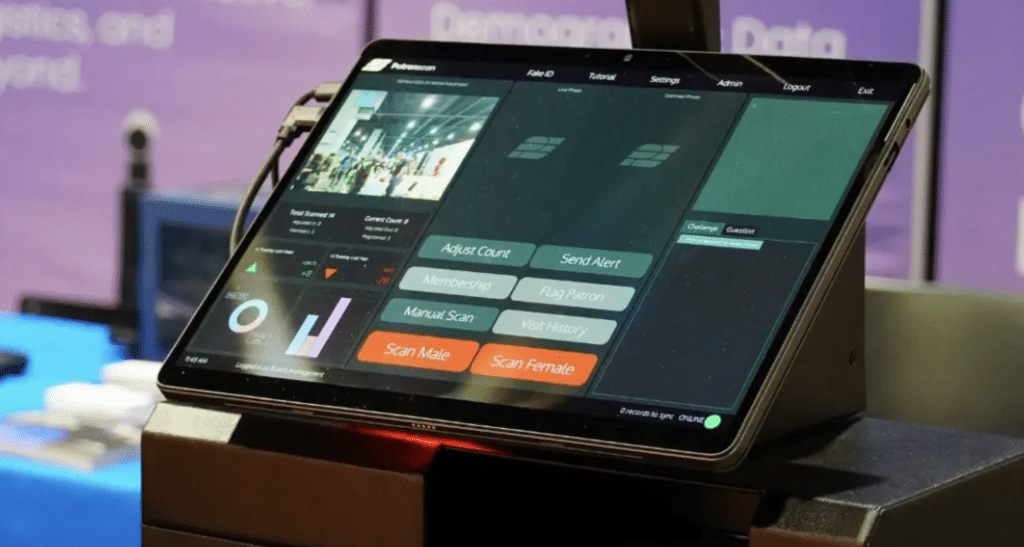
San Francisco’s Castro District is rolling back the use of AI‑assisted face scanning technology after LGBTQ+ community members raised alarms over privacy, surveillance and the creation of sensitive data profiles.
Two prominent gay bars, Badlands and Toad Hall, said they would stop using Patronscan ID verification following weeks of criticism. “We have heard about the concerns regarding the use of PatronScan at Badlands and Toad Hall in San Francisco, and we are listening,” Toad Hall said on an Instagram post.
“Effective immediately, we are pausing the use of Patronscan while we review our ID verification and security practices.” Staff will return to manual ID checks while the review is underway. The scanners were introduced earlier this year but have faced backlash. Patrons say the technology felt intrusive in spaces historically seen as refuges for people who may not be publicly out.
The venues use an ID scanner and a camera — Patronscan Guard+ — that captures photos of patrons. These are stored on a database, for up to 21 days, and are shared on a network to which venues can access if they subscribe. Eight venues in San Francisco use the technology, according to SFGate.
Patronscan’s system collects a customer’s ZIP code, photograph, date of birth, gender and the expiration date of their ID, according to the company’s website. Company spokesperson Rhiannon Mosoronchon told SFGate that it does not use facial recognition but is stored as a timestamped image of the patron.
The company says data is stored for about 21 days to assist law enforcement investigations and is not sold or shared with third parties. It argues its technology complies with California law, which permits ID verification systems to prevent underage drinking and fraud.
Responding to the decision by San Francisco bars to halt use of the scanners, Mosoronchon said the company is aware of the pause and has been in contact with the venues. She said Patronscan is ready to provide any information or adjustments needed as the bars review their security procedures, adding that the company respects the decision and looks forward to supporting them once the review is complete.
Patronscan systems are marketed as tools to spot fake IDs and flag individuals previously involved in violence at nightlife venues. Signs at the bars informed customers that the technology was in use, but some have told reporters they did not realize their images would be captured and stored until they were already in front of the camera.
Privacy advocates have warned that Patronscan’s model raises broader concerns. Reporting by OneZero in 2019 claimed the company collected consumer data from venues using its scanners. The issue has gained urgency in LGBTQ+ spaces amid heightened fears about government access to sensitive records.
California lawmakers are now examining whether Patronscan’s business practices comply with state privacy laws, according to the Electronic Frontier Foundation. Patronscan has been analyzed by the California Legislature, which found the company had collected and retained information on more than half a million customers in Sacramento during the first five months of 2018.
Patronscan allegedly retained data for months, shared information among bars and maintained venue bans lasting nearly two decades. Lawmakers later amended California’s ID privacy statute to explicitly cover ID “scans,” closing what they saw as a loophole.
Related Posts
-
 December 12, 2025
-
 June 16, 2026
-
 February 25, 2026
-
 October 28, 2025
-
January 26, 2026
-
 June 3, 2026
Article Topics
age verification | data privacy | ID verification | Patronscan | San Francisco

Comments