
Australia expands eSafety powers, doubles penalties in platform accountability push
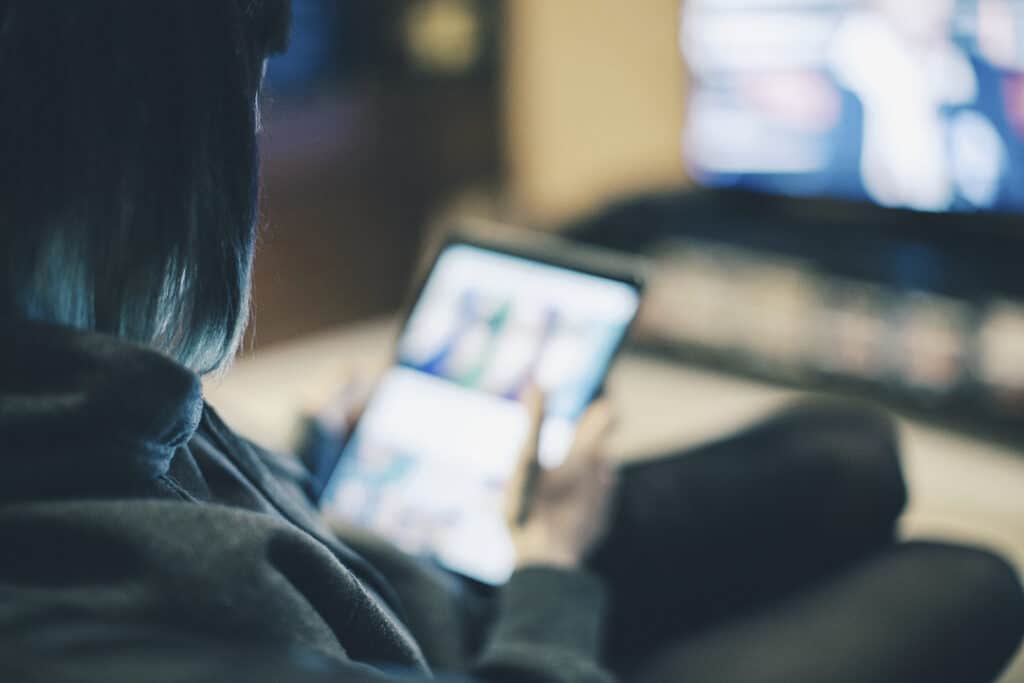
Australia’s parliament has formally passed the Online Safety Amendment (Strengthening Enforcement for the Social Media Minimum Age) Bill 2026, granting the eSafety Commissioner greater investigatory and examination powers.
Introduced in June, the bill received assent on September 11. It amends the Online Safety Act 2021 “in relation to the operation of the social media minimum age framework,” expanding the eSafety Commissioner’s information-gathering powers and increasing maximum civil penalties for noncompliance to $99 million (US$71 million).
The eSafety commissioner, Julie Inman Grant, has pushed for more power to compel regulated online platforms to turn over documentation, rather than allowing them to self-report. Now, she has it – and will, no doubt, use it.
‘We expected this,’ says minister of PR scheming by Big Tech
The story of Australia’s social media minimum age requirement (SMMA) so far is a tale of high drama: trials, accusations, threats, arguments over which platforms count and which don’t; the turning of the sociocultural tides, what counts as success or failure, how to choose the best biometric age assurance tools for the job, and how to legally compel platforms to not be so harmful in the first place.
In keeping, it has also given us a clear villain. Inman Grant’s efforts to regulate social media – and, indeed, the laws that have passed as a result – have proven to be fairly easy for a company as big as Meta to selectively ignore. Australia has faced several arguments suggesting the law isn’t working, with opponents brandishing numbers: three months after the law took effect, more than 80 percent of under-16s in Australia were still using social media.
But other numbers tell a different story. Social media account ownership by children under 16 declined by over 10 percent over the same period. Inman Grant has often spoken about a long-term strategy that will mature over several years, and ten percent in three months seems like a good start from that perspective.
Moreover, more than half of children say their account remained active because they were not asked to prove their age, meaning social media platforms were not complying with the law.
Australia’s communications minister, Anika Wells, has called out “evidence of the absolute bare minimum from social media companies” in following the rules, and even suggested during a press conference that social media firms “want you all to report that the laws are failing. That helps them in their quest to reduce regulation, to minimize it the world over.”
“We expected this.”
Evidence suggests social media has brought all this on itself
The new enforcement powers, then, are a regulatory escalation that has been deemed necessary to make social media companies follow the law. Recently, Meta claimed it has taken down more than 750,000 accounts believed to belong to Australian users under 16 years of age since the SMMA took effect.
But every measure it takes is under duress, and its actions globally continue to demonstrate how little care it takes to prevent serious harm; witness a fresh investigation from the nonprofit Tech Transparency Project, showing that Meta has run hundreds of paid advertisements featuring child sexual abuse material on Facebook and Instagram in 2026.
Stronger powers for the Australian regulator come as draft legislation for a digital duty of care is passed around parliament. Calls for more accountability for social media companies grow louder. Australia has set the global tone on age assurance and social media regulation to date; if the world continues to follow in its path, social media could soon look like a very different product.
Related Posts
-
 December 12, 2025
-
 April 10, 2026
-
 July 27, 2026
-
 December 8, 2025
-
 September 2, 2026
-
 July 8, 2026
Article Topics
Australia | Australia age verification | eSafety Commissioner | legislation | regulation | social media

Comments