
Bangladesh budgets US$748 million for One-ID digital identity project
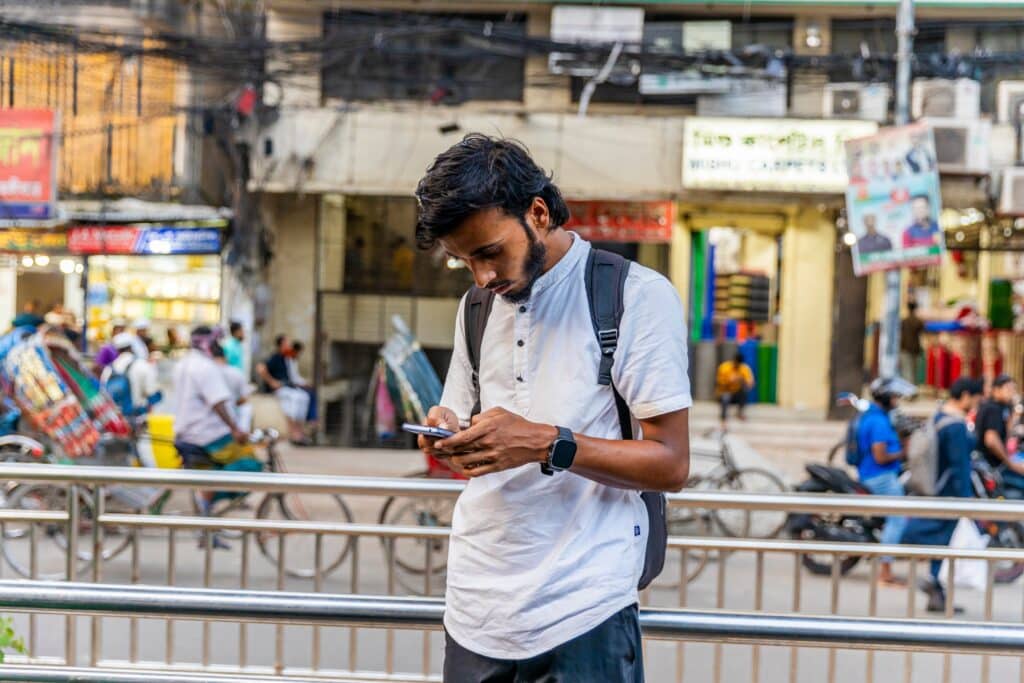
Bangladesh has revealed implementation details for its planned One-ID digital identity platform, publishing the proposed budget, issuance strategy and technical architecture for the World Bank-backed D-STAR program.
The implementation details emerged in a review of the D-STAR project proposal first reported by Bangladesh newspaper Prothom Alo.
This initiative, supported by the World Bank and managed by the Bangladesh Computer Council under the ICT Division of the Ministry of Posts, Telecommunications and Information Technology, aims to create a single digital identity framework that enables citizens to access government and financial services through a permanent digital identifier.
The Unified Digital Identity (One-ID) will integrate with a smartphone-based digital wallet designed to connect identity with financial transactions, tax platforms and digital payments, allowing allowances, subsidies and public fees to be managed through a single platform.
The project will involve the issuance of about 200 million polycarbonate chip cards, which will integrate existing identifiers such as tax and health cards into a single profile.
Out of the total Tk 91.93 billion (US$748M) project cost, Tk 73.80 billion (approximately 80 percent) is allocated to issuing approximately 200 million chip-based identity cards and the associated biometric enrollment, migration and distribution activities.
The One-ID project shares characteristics with digital identity ecosystems in Estonia, Singapore and India, but combines elements of each. Bangladesh plans to continue issuing physical credentials alongside digital wallets, combining physical and digital credentials within a broader identity platform for payments, taxation and government services.
The initiative reflects a broader shift in digital public infrastructure. Rather than treating identity as a standalone credential, governments are increasingly building it as the trust layer that connects payments, taxation, healthcare and other public services.
Related Posts
-
 February 11, 2026
-
 October 7, 2025
-
 June 18, 2026
-
 January 7, 2026
-
 January 5, 2026
-
October 29, 2025
Article Topics
Bangladesh | biometrics | digital ID infrastructure | digital identity | digital public infrastructure | digital wallets | identity management | One ID | World Bank

Comments