
Digital inclusion for refugee women must go beyond connectivity: GSMA
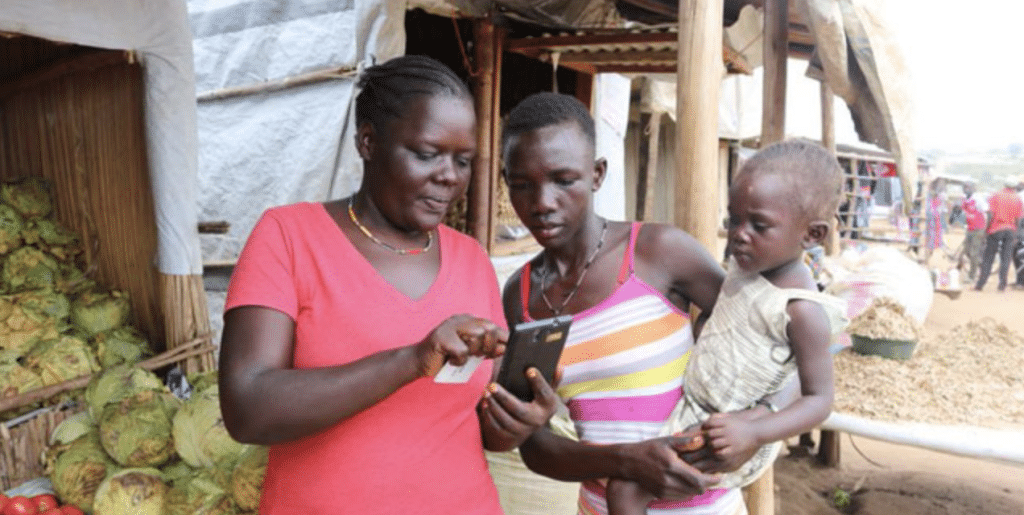
New GSMA research argues that digital inclusion efforts for refugee women must go beyond basic measures such as connectivity, mobile phone ownership and internet access.
The study says inclusion should be assessed across the full user journey, including awareness, device access, affordability, formal identity registration, digital literacy, privacy and long-term safety.
Identity requirements are among the barriers. Per the findings, displaced women are disproportionately affected by strict identity documentation requirements for things like SIM card registration, limiting their ability to control mobile accounts, financial services and private communications.
This point is reflected in advocacy by Vital Strategies on the need to close the gender gap in legal identity.
The GSMA research cited findings from countries like Ethiopia and Tanzania, where refugee women are more likely than men to rely on relatives or local citizens to register their SIM cards in third-party names, which limits their control over mobile money transactions and private communication. In Uganda, only around 25 percent of refugee women use the internet, compared to 50 percent of refugee men, largely due to handset and data costs.
The researchers also underlined intra-household dynamics where shared or borrowed mobile devices are often primarily controlled by male family members, which affect the ability of women to easily access digital humanitarian aid, financial tools, and other critical information in an independent manner.
As part of efforts to fix the problem, the study urges policymakers, telecommunications operators, and humanitarian agencies, amongst other things, to reform identity verification requirements, build targeted digital skills programs, and design secure platforms that prioritize user trust and privacy.
The research is part of the GSMA’s Connectivity for Refugee Initiative, and it has funding support from the UK government’s Foreign, Commonwealth, and Development Office (FCDO), as well as the Swedish International Development Cooperation Agency (Sida).
UNHCR pushes connectivity beyond pilot projects
The GSMA research resonates with a piece published in June by Refugee Connectivity in which then-UNHCR Deputy High Commissioner, Kelly T. Clements, in her parting reflection, argued that digital connectivity is no longer an optional luxury for people who are forcibly displaced. She said it is a critical prerequisite to ensure protection, livelihood, and to drive financial inclusion.
Clements cited a couple of examples, including Ethiopia, where the country has been making efforts in the last few years to bring the refugee population in the country, especially women, into the fold for easier access to important public services.
She emphasized that there is the need to put in place inclusive frameworks where local host communities and refugees are managed by an integrated strategy, given that the former, especially in remote areas, often face several infrastructure deficits.
The official also highlighted the need for ecosystem collaboration and private sector engagement, noting that these efforts have to go beyond pilots to scalable infrastructure, with support from financial institutions like the World Bank.
According to her, the objective of the UNHCR is to ensure that at least 20 million forcibly displaced persons and host community members are connected by the year 2030.
Related Posts
-
 July 16, 2026
-
 January 7, 2026
-
 August 28, 2026
-
 May 20, 2026
-
 November 13, 2025
-
 March 6, 2026
Article Topics
digital ID infrastructure | digital inclusion | GSMA | refugee registration | SIM card registration | UNHCR

Comments