
EU lets 9 Schengen countries delay full EES biometric checks
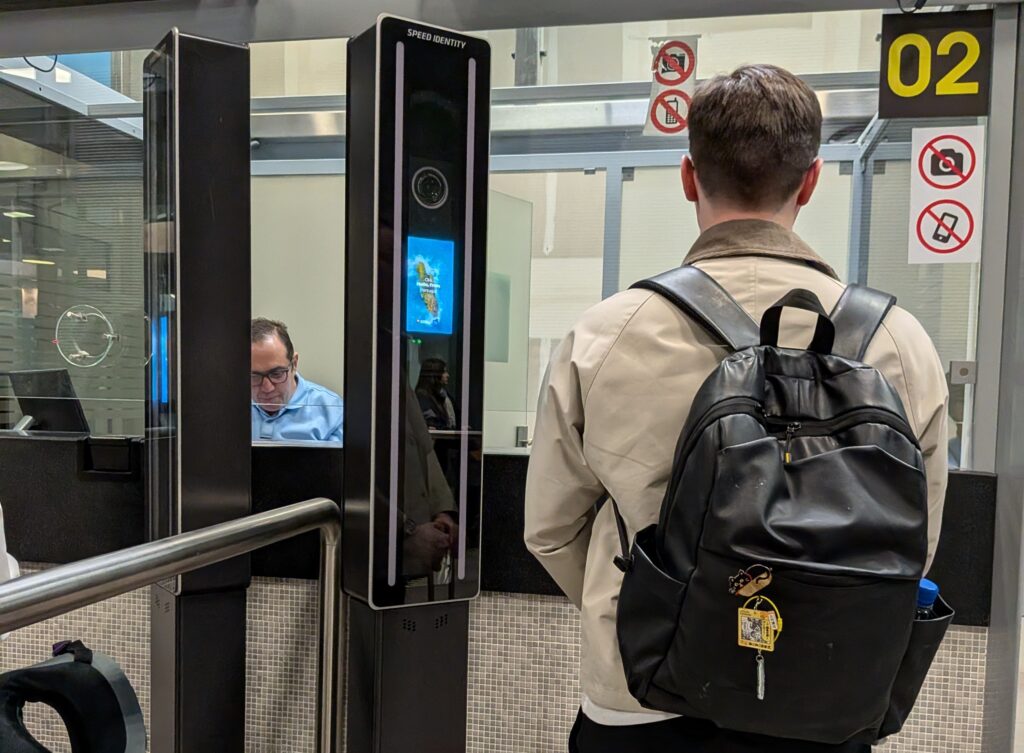
The European Union has allowed at least nine Schengen countries to postpone full enforcement of its new Entry/Exit System (EES). France, Germany, Italy, Belgium, the Netherlands, Greece, Malta, Portugal and Switzerland been given flexibility to suspend biometric collection in order to “maintain border fluidity.”
Although Brussels previously insisted there would be no extension to the grace period that expired on September 6, the countries have reportedly been given informal approval to continue using the flexibility, without setting a new deadline.
The move follows lobbying from governments and carriers, including the UK and Ryanair, which urged the EU to extend suspension options until next spring. In some member states, such as Sweden and Portugal, travellers can pre-register biometric data via apps linked to the central portal. But uneven deployment and system “plumbing” errors have undermined the rollout.
The EU Commission declined to comment, but industry leaders believe the climbdown indicates recognition that biometric systems should work reliably before they can scaffold Europe’s border security.
The promise of seamless biometric entry currently remains stalled with border fluidity prioritized over enforcement. Persistent software errors have prevented biometric information from being transmitted correctly, and border officials in some countries have been unable to access traveller files.
EES began rolling out in October 2025 and was declared fully operational across external Schengen border crossings on April 10, 2026. The system relies on fingerprints and face biometrics collected at border kiosks and matched against central records managed by eu‑LISA, the EU’s IT agency.
But failures have left biometric scanners idle at airports and ports, prompting airlines and transport operators to warn of chaos if enforcement continued. The International Air Transport Association (IATA) said technical instability had already caused long queues and missed flights.
The French interior ministry confirmed that flexibility around pre‑registration kiosks and tablets will remain until the end of the year, reports Connexion France.
The concession follows reports of severe delays at ferry ports and airports, where passengers faced waits of up to three hours due to unreliable biometric pre‑registration equipment. Operators including Brittany Ferries and Manche Îles Express warned that the technology is not yet capable of processing travellers quickly enough.
Industry groups such as IATA, ACI and Airlines for Europe have echoed these concerns, pointing to software and connectivity problems rather than failures of the EU’s central IT systems. French airports and ports say the kiosks, designed to let passengers input biometric data before reaching border control, remain unstable despite ongoing trials.
EES formally remains in place, with border guards still required to create digital files and log passport movements. But biometric checks will continue to be applied unevenly across French border crossings until the technology stabilizes.
Related Posts
-
 August 20, 2026
-
 February 3, 2026
-
 May 12, 2026
-
 June 23, 2026
-
 April 29, 2026
-
 December 19, 2025
Article Topics
airport biometrics | biometrics | border security | Entry/Exit System (EES) | Europe | identity verification

Comments