
EUDI Wallet deadline nears as Europe’s rollout picture remains uneven
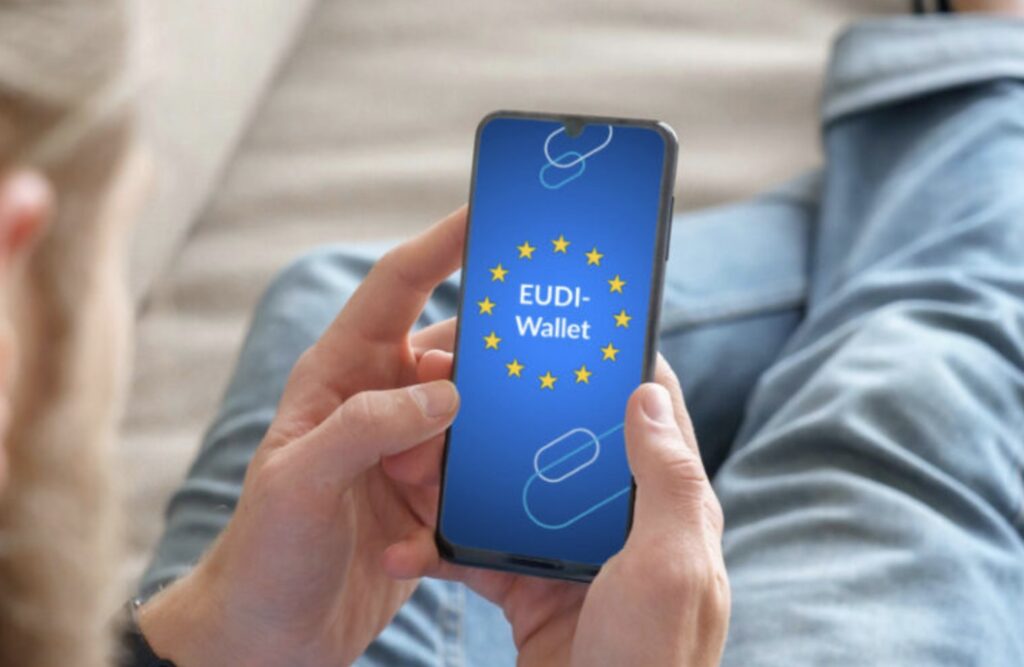
The EU Digital Identity (EUDI) Wallet is supposed to be available in every member state by the end of this year. If successful, the project could make access to public and cross-border services easier while strengthening trust online and reducing fraud. Those ambitions, however, must be translated into working national ecosystems across 27 member states, each with different infrastructure, implementation timelines and levels of readiness.
Four of the six large-scale pilots for EUDI Wallets have wrapped up, while newer consortia including APTITUDE and WE BUILD continue testing travel, mobility, payments and business use cases.
With three and a half months to go until the deadline, Italy, France and Finland are furthest along, euronews reports. Croatia is just a little behind. Those countries are repurposing pre-existing digital wallets or apps.
Sweden’s roadmap anticipates a release in 2028, at earliest. Germany is targeting January 2, and just named its EUDI Wallet, but what comes available in the new year may have very limited functionality. Greece, Slovakia and other member states are still conducting private testing.
The danger is that wallet availability becomes a compliance exercise, without generating the value for relying parties and citizens that makes it useful.
IN Groupe Global Ambassador for Digital ID Kristian Thure-Sørensen tells the Innovating Trust podcast that he doesn’t “think we will see this massive big bang by the end of the year.” More likely, two or a handful of countries will have some sort of wallet available, but not a full-fledged operational EUDI Wallet ecosystem. The ecosystem is what will drive adoption.
So will EUDI Wallets be ready? Will people use it? Is the market fragmenting? Biometric Update will explore these and other crucial questions for businesses in the EUDI Wallet ecosystem, EU governments and relying parties in a webinar on November 18 at 2PM CET.
The presentation will address wallet issuance and ecosystem infrastructure, biometric identity assurance and acceptance by relying parties, and the testing, conformance and certification work underway to bring trust to all of the different elements.
Technical alignment, testing and trust
Technical standards alignment is the common foundation that allows the different implementations to work with each other, but epicenter.works Executive Director Thomas Lohninger, who is also a board member at European Digital Rights (EDRi), says they are only 50-to-60 percent complete, according to a separate report from euronews.
At the same time, conformity assessments against eIDAS 2.0 and ETSI TS 119 461 for remote verifications are underway. Biometrics providers are contracting assessments against ISO/IEC 19989-3, which builds on the standard for presentation attack detection (PAD) performance by evaluating end-to-end security in line with Common Criteria, and CEN/TS 18099 for injection attack detection (IAD) to fend off biometric spoofs.
And these standards are only the beginning. IDnow explores what ETSI 119 461 means for businesses in a blog post, and how it fits in with standards like ETSI TS 119 471 for Qualified Electronic Attestation of Attributes (QEAA) requirements and ETSI TS 119 478 for access to authoritative data sources.
Like the wallets themselves, independent testing against these standards is supposed to be complete by the time they go live at the end of the year.
Standards compliance represents a floor, IDnow argues, but businesses that understand that floor give themselves a chance to be ready to use EUDI Wallets from day one.
Lohninger is also worried about people’s devices being a single point of failure. Curiously, euronews refers to this as a “’honeypot’ problem” and a centralization issue, though most identity systems around the world are based on centralized databases that hold everyone’s data together. These are what is normally meant by “honeypots” or “centralized identity,” in contrast with the EU’s decentralized model.
But that said, the question of how far control extends is not yet settled. For instance, more testing is needed for the process for people to complete account recovery after losing their phone, EU auditors have said.
Lohninger is concerned that making an untraceable digital ID is difficult, and in the balance between privacy, security and usability, he believes “(t)he wallet will certainly cut some corners.”
“The public’s trust is really the scarcest resource in all of this,” Lohninger tells euronews. “We have seen in regions around the world, when these big government digital identity systems are rolled out and they have problems, people run away.”
Related Posts
-
 February 6, 2026
-
 December 22, 2025
-
 April 9, 2026
-
 December 16, 2025
-
October 3, 2025
-
October 6, 2025
Article Topics
biometrics | digital identity | digital wallets | EU Digital Identity Wallet | Europe | identity assurance | interoperability | webinar

Comments