
IATA urges EU to extend biometric border flexibility amid EES delays
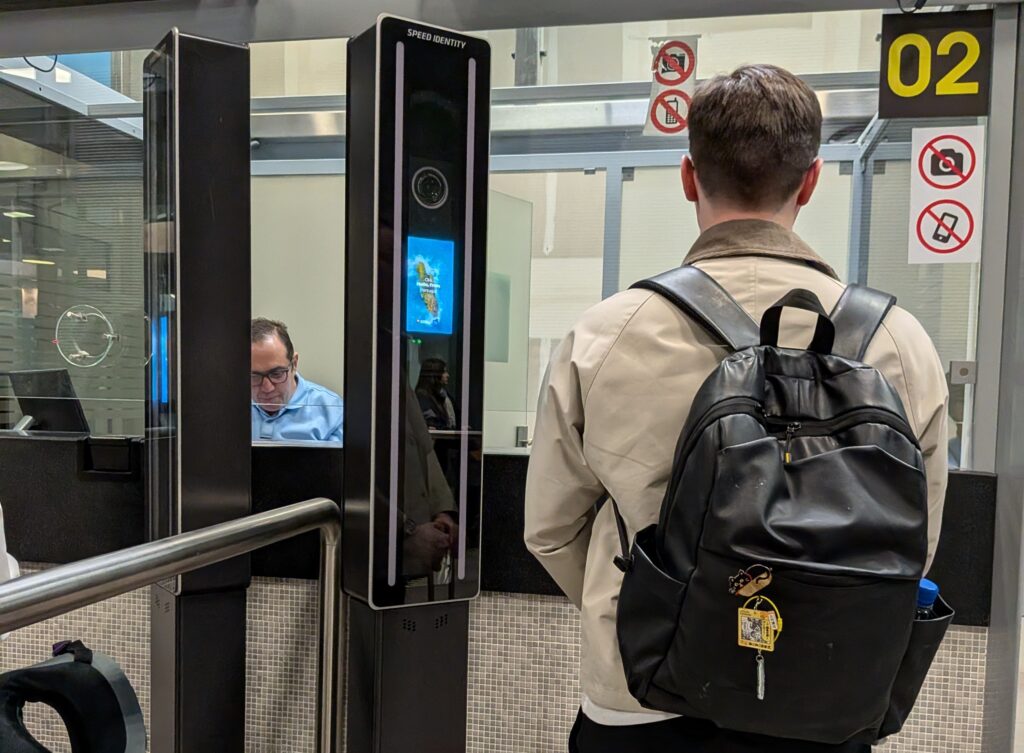
The International Air Transport Association (IATA) is urging the European Union to extend temporary flexibility measures for its biometric Entry/Exit System (EES), warning that removing the safeguards could worsen border congestion as the travel system continues to stabilize.
Speaking at a media briefing in Brussels, IATA Senior Vice President for External Affairs Thomas Reynaert said the option to partially suspend EES procedures should remain available until the end of the winter season.
“Extending the possibility of partial suspension beyond 6 September is absolutely necessary until the end of the winter season,” he said.
The EES has been fully operational since April across 29 European countries, replacing manual passport stamping with electronic registration of non‑EU nationals, including the collection of fingerprints and face biometrics.
However, first‑time registrations have placed particular pressure on border infrastructure, with processing times reportedly tripling in some cases due to hardware failures and software instability. IATA stressed it is not seeking to delay or weaken the system, but wants authorities to retain a “safety valve” until performance stabilizes.
The association outlined four conditions before flexibility should be removed: adequate staffing, reliable hardware and software, fully operational self‑service kiosks and automated gates, and wider deployment of pre‑registration tools.
Reynaert believes pre‑registration could deliver the greatest short‑term improvement by shifting biometric data collection away from congested border areas. He warned that inconsistent performance across member states has led to missed flights, offloaded passengers and reputational damage for European travel.
Nine countries, including France, Germany, Italy and the Netherlands, have already called on the European Commission to extend the safeguard. Airports Council International Europe and Airlines for Europe have raised similar concerns after reporting hours‑long queues.
IATA is calling for closer cooperation between governments, airports and airlines, arguing that “a digital border is only as strong as the technology behind it.” With the current flexibility due to expire on September 6, the decision now rests with Brussels on whether to maintain the suspension mechanism as Europe heads into the autumn and winter travel season.
On September 1 a spokesperson for the European Commission stated during a press briefing that the EES had “broadly worked well” over the summer and that “the advantages of the new system for the EU are evident.”
Commenting on the upcoming end of flexibility measures on 6 September, the spokesperson said the EC is maintaining “close and constructive contact” with the member states that still need adjustments at certain border points. The spokesperson added that overall there is a strong collective will to make the EES work.
EES disruption
Airlines say airports in Spain, France, Portugal and Italy have faced the worst disruption under EES, according to The Times. Ryanair identified Tenerife South, Palma, Alicante, Malaga, Milan Bergamo, Krakow and Paris Beauvais as sites with the longest queues this summer.
Other carriers pointed to Lisbon, Porto, Rome and Naples. The head of Rome’s airport operator even warned checks might need to be suspended, citing what he called a “design flaw” in the EES system.
Airports Council International Europe reported in June that waiting times had risen sharply, reaching up to five hours during peak periods. It said the delays were affecting millions of passengers including families, elderly travelers and those with reduced mobility, while also causing flight delays, missed connections and pressure on frontline staff.
Industry groups Airlines UK and Airlines for America said the rollout had been inconsistent and confusing for passengers. Rafael Schvartzman, IATA’s vice president for Europe, cautioned that waits could be longer than expected due to insufficient technology and staffing at some border points. Uku Sarekanno, deputy executive director of Frontex, added that disruption could persist for up to two years.
Related Posts
-
 July 29, 2026
-
 October 1, 2025
-
 November 14, 2025
-
 June 22, 2026
-
 February 10, 2026
-
 June 16, 2026
Article Topics
biometrics | border security | Entry/Exit System (EES) | Europe | identity verification | International Air Transport Association

Comments