
Malaysia launches new MyKad with biometric QR verification
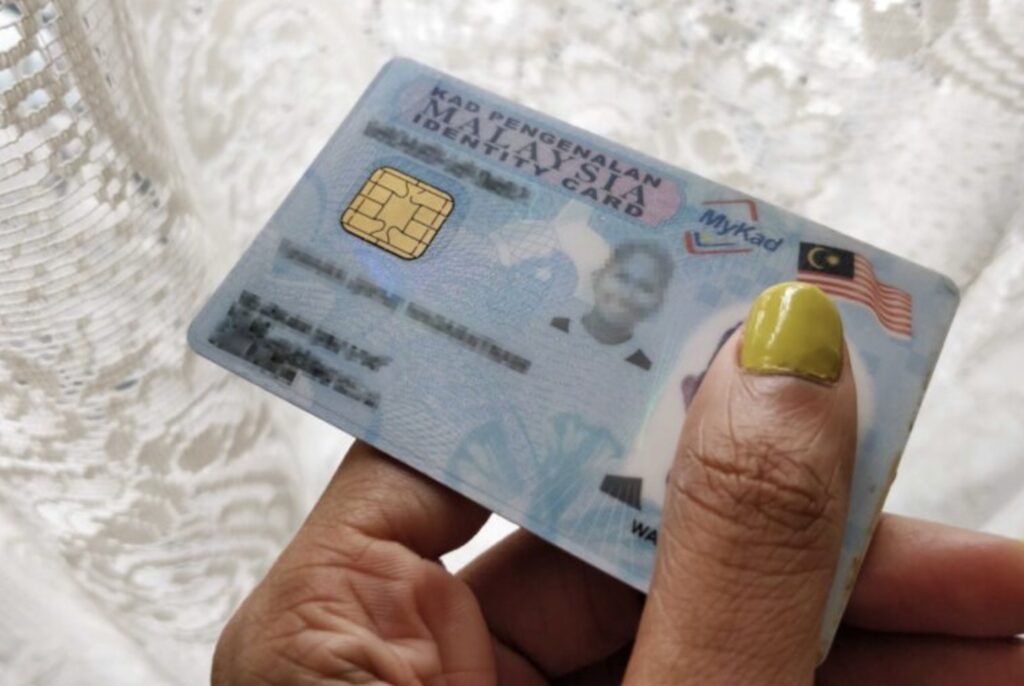
Applications have opened for Malaysia’s new generation national identity card (MyKad) designed with a QR code and enhanced biometric identity verification capabilities. Card supplier NexG Bhd says the system can support live facial matching against National Registration Department records and could eventually include an optional digital wallet.
NexG claims the ID card is the first in the world to combine both functions. The National Registration Department, however, says the QR code is currently restricted to authorized enforcement use, cannot be read by ordinary smartphone cameras and is not intended for payments. JPN says the QR code is intended for verification and enforcement purposes, allowing authorized officials using certified equipment to confirm the card’s authenticity.
The national ID, which is produced by NexG’s wholly owned subsidiary Datasonic Technologies Sdn Bhd, is expected to be issued to at least 24 million Malaysians as part of efforts by the country to streamline service delivery in the public and private sectors, including access to government subsidies which for many years has been a subject of alleged corruption. The government had mulled buying over Datasonic from its parent company for $1.9 billion, but the idea was later dropped.
NexG says the QR code system could eventually be commercialized to facilitate customer onboarding for approved commercial entities such as telecommunications operators, banks, and retail merchants, saving them the need to own their own independent verification infrastructure.
The company also explains that an optional eWallet could be provided as a value-added service at zero cost to the government or citizens under NexG’s long-term partnership framework but JPN has not announced activation of such a feature. Once eventually activated, it could facilitate instant payments and other digital financial transactions. The new MyKad ID is equipped with 53 security features, many of which will be added progressively, MalayMail reports.
JPN says the new MyKad has removed the Touch ’n Go functionality built into the previous card, with users directed instead to a separate card or the Touch ’n Go eWallet.
QR verification spreads across identity systems
NexG’s proposed functionalities of the new MyKad reflects a steady and noticeable shift from the identity card as a static document to credentials that can support digital verification and authentication.
MOSIP has introduced a standardized QR code specification, Claim 169, which supports offline identity verification and can incorporate face biometrics, giving national ID systems a way to authenticate credentials without a live connection.
UNHCR is exploring a similar direction for humanitarian credentials. Its roadmap includes printed credentials linked to face biometrics, while work on draft ISO/IEC 59794-5 is examining how facial images can be encoded in QR codes for offline identity verification using a smartphone.
Uganda’s new MOSIP-based national IDs include QR codes intended for identity verification, but citizens have reported being unable to use them for services including bank account opening and SIM registration because the verification infrastructure was not fully operational.
Myanmar provides a developing example of that architecture in practice. Its MOSIP-based national ID program includes plans for physical smart cards and Visible Digital Seal credentials using digitally signed barcodes for offline verification, with both linked to the national identity database.
South Korea has enabled residents to store a digital version of their mobile resident IDs in the Pass app and present a QR code for age verification and other identity checks, allowing relying parties to confirm identity information from the mobile credential rather than inspect a physical card.
Ghana has similarly explored adding digital wallet and payment functionality to its Ghana Card, although that feature has yet to be activated.
Related Posts
-
 April 10, 2026
-
 June 15, 2026
-
 August 24, 2026
-
 January 26, 2026
-
 February 27, 2026
-
 October 13, 2025
Article Topics
digital wallets | identity document | Malaysia | MyKad | national ID | NexG Bhd | QR code

Comments