
Moldova expands EVO digital ID wallet into banking
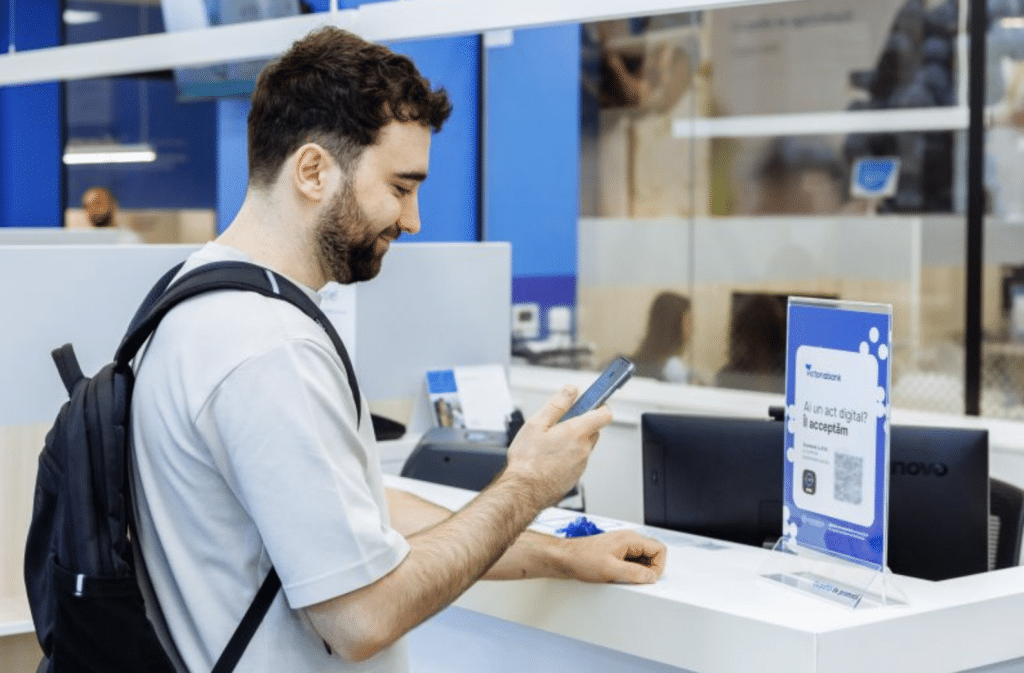
Four banks in Moldova, namely Moldindconbank, FinComBank, EuroCreditBank, and Victoriabank, now accept digital credentials from the country’s EVO digital identity wallet, extending the government app into everyday banking as Moldova works toward compatibility with Europe’s digital identity infrastructure.
Thanks to the integration, customers can use EVO to identify themselves by scanning a QR code and sharing the information requested by banks. This process will eliminate the need to present or photocopy a physical identity document, which will go a long way in reducing delays and instances of entering data manually. Moldova launched a latest version of the EVO wallet in June.
According to the Moldova eGovernance Agency, the move aligns with efforts to match the country’s digital infrastructure implementation with the European digital identity wallet framework. EU member states are required to provide at least one European Digital Identity Wallet by the end of 2026. Moldova, an EU candidate country, is developing EVO to align with the same standards and support future cross-border interoperability.
Already, EVO has tested its digital identity in the European PID format and its digital driving license in the ISO mobile driving license format with partners from a number of European countries, including France, Hungary, Austria, and Belgium. Authorities say further interoperability tests involved teams from the Netherlands, Croatia, Romania, and Ukraine. It’s been conducting the pilots through the WE BUILD Consortium.
“Digital credentials become valuable when people can actually use them in real-life scenarios, and we are aiming for ubiquity,” Nicoleta Colomeeț, director of the Moldova eGovernance Agency, commented following the integration. “Bringing EVO into everyday banking is an important milestone as we expand across both the public and private sectors while ensuring compatibility with European digital identity infrastructure.”
The extension of the EVO app into the banking sector in Moldova reflects a broader shift as some countries look to transition from digital ID as a tool for accessing government services to a reusable credential which can be vital for transactions in sectors such as banking, telecommunications, and other commercial services.
EVO’s integration with the banking system makes it possible for a customer to show that they are who they are without having to submit physical identity documents more than once. The move also demonstrates that reusable digital credentials are increasingly replacing physical documents when it comes to certain transactions.
This development follows a move in April by the government to open the integration of the EVO app to third parties in the private sector. There are currently 30 relying parties at various connection stages, with at least 20 of them expected to be fully operational by the end of this year.
Related Posts
-
 June 26, 2026
-
 December 12, 2025
-
 November 6, 2025
-
 February 5, 2026
-
 July 2, 2026
-
 May 21, 2026

Comments