
Saint Lucia sandbox tests next phase of Caribbean digital ID adoption
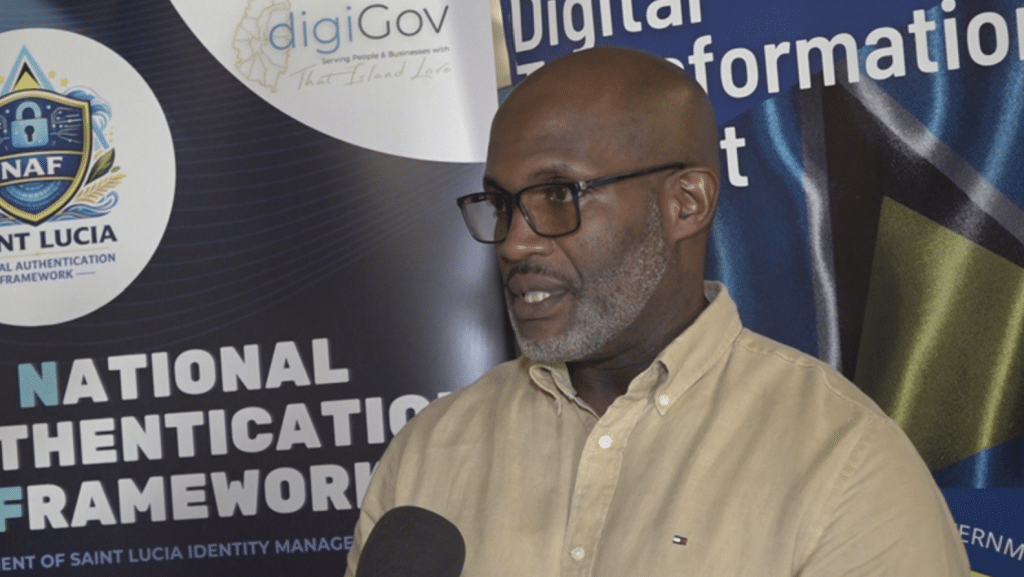
Saint Lucia has announced the development of a legal framework for a cross-sector regulatory sandbox that would allow digital ID and financial technology applications to be tested in a controlled environment. This initiative comes as Caribbean nations increasingly look beyond establishing digital ID systems towards practical use cases that can drive adoption and establish trust.
The objective of the sandbox, officials say, is to assess how digital credentials can simplify onboarding and access to services for individuals and businesses.
Supported by the United Nations Economic Commission for Latin America and the Caribbean (ECLAC), the sandbox which is part of Saint Lucia’s DigiGov Program, will allow regulators to identify gaps in existing rules and develop safeguards while systems are being tested. The objective is to let innovators test digital products and business models before they are considered ripe for deployment at scale.
For a start, the focus will be on digital ID management and payments. The government will work with regulators, financial institutions, telecommunications companies and fintech. The announcement indicates that a concept document for the initiative is being finalized, after which funding will be sought to establish its governance and operational structures.
Utility phase of digital ID
Saint Lucia’s planned regulatory sandbox signals a new trend in efforts by Caribbean nations to build and connect digital public infrastructure (DPI) that is critical in facilitating access to public and private sector services.
In the last few years, many of the countries are implementing DPI projects with objectives that increasingly go beyond their territorial boundaries. Some of the country-level initiatives are contributing to an emerging shared DPI ecosystem designed to support regional integration, economic activity, and public services.
Through different initiatives, they have also been working to put in place a harmonized regional trust framework needed to streamline governance, travel, tourism, public service delivery, and regional security.
The positive efforts notwithstanding, the emerging challenge is no longer simply establishing these systems. It is about demonstrating why citizens and businesses should use them, which makes regulatory sandbox initiatives like Saint Lucia’s relevant.
Early this year, the Eastern Caribbean country launched a national authentication framework (NAF) which the planned sandbox can build on. The third phase (NAF as a service) is particularly relevant as it is intended to allow private-sector organizations such as banks, insurers and utilities to use the infrastructure for KYC, subject to consent and legal frameworks. This suggests Saint Lucia wants to move its digital ID beyond just a tool for government authentication.
Resolving the low digital ID uptake equation
The problem which Saint Lucia’s envisaged sandbox seeks to address is the subject of a reflection published by ICT Pulse. According to the piece, some Caribbean nations have become aware that building digital ID does not automatically translate into adoption.
The author points particularly to Jamaica and the Cayman Islands, where voluntary systems have struggled to generate strong uptake, while Barbados achieved faster adoption by linking its digital ID to existing high-value administrative services.
Some of the reasons for low uptake that must be addressed, according to the piece, include concerns about privacy and trust, friction in biometric enrollment and digital onboarding, reliance on paper-based processes together with digital ID options, and inadequate immediate value for people the system is designed to serve.
The broader lesson is that digital ID systems need to be connected to services people have a reason to use. And after connecting them, they must also test and measure whether the innovations make digital transactions easier.
A related piece by the Inter-American Development Bank corroborates this position. It argues with evidence from studies in Argentina, Panama, and Uruguay that digitizing a service doesn’t necessarily improve user experience.
In Panama, for instance, the survey found that nearly 60 percent of individuals who attempted to use a digital service abandoned it due to onboarding friction as they were required to submit selfie biometrics of a particular technical specification. In Uruguay, neither SMS nor WhatsApp messaging, used as a digital ID awareness tool, was able to meaningfully encourage adoption.
That’s why ECLAC believes one of the ways for Latin American and Caribbean countries to drive digital ID use for aspects such as financial inclusion is by building inclusion into public policies by design.
Related Posts
-
 February 6, 2026
-
 October 17, 2025
-
 July 22, 2026
-
 September 7, 2026
-
 December 18, 2025
-
 January 7, 2026
Article Topics
Caribbean | digital government | digital ID | digital public infrastructure | Latin America

Comments