
Africa’s identity authorities have made International ID Day their own: founder
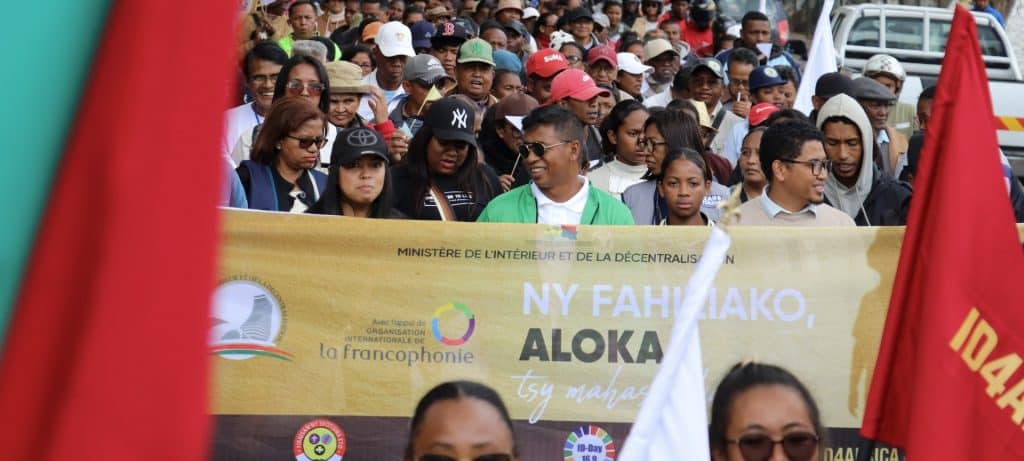
International Identity Day has evolved into something a little different from what ID4Africa Executive Director Dr. Joseph Atick had in mind when he first introduced the idea of observing the importance of identity every September 16th. On a video call with Biometric Update, he could hardly be happier about it.
Initiatives and observances for the ninth annual ID Day reached a breadth and scale never seen before, Atick says.
More voices joined in publicly, including international development agencies. More important, Atick says, “African countries made the occasion their own” with “activities rooted in the local realities of the people.”
Those activities were recorded in photos and videos from 35 African nations, including Malawi launching its digital identity wallet and removing the expiration condition from its ID cards on International ID Day.
Most importantly of all, these activities reflect “national ownership” of the day, according to Atick. Global thinking provided a high-level framework, but “we were not directing the show.” ID4Africa and its leadership provided the theme for 2026, “My Identity, My Shadow. Never Apart!,” but no funding or other material incentive for participation.
A regional expectation
Instead, a forum for ID4Africa ambassadors to exchange their ideas on ID Day had over a thousand messages, Atick reveals, as the continent’s identity authorities made their plans.
“To watch the celebrations happening across thousands of miles of distance around one single issue; it’s impressive to see the alignment.”
That alignment, he says, means “the voice carries farther and louder, and that’s what we had hoped for.”
It also means ID Day has become as significant for Africa’s digital identity landscape as ID4Africa’s AGM, says the ID4Africa founder and ED.
Atick estimates that ID Day reached millions of people, between in-person events and those broadcast over mass media like radio and television. So, in some ways is even more impactful than the AGM, which mainly convenes national identity authorities, experts and insiders.
Among other highlights of ID Day 2026 for Atick, he notes Somalia reached out to schools for deaf and blind students, registered displaced people and went door-to-door. Chad registered refugees, Central African Republic orphaned children and Sierra Leone eligible inmates, as the country’s respective identity authorities reached for the frontiers of inclusion.
National observances also included visits to rural markets, churches and mosques, demonstrating “local adaptability of engagement,” Atick says. “Each country did it their own way.”
Countries including Benin, Uganda and Tanzania extended ID Day initiatives over longer periods to achieve greater impact. Atick rattles off a long list of countries observing the event in their own way, and notes a common emphasis on bringing the proceedings to people in rural regions and elsewhere outside of the national capitals.
In early ID Days, events were more often held in or near identity authorities’ headquarters. Now they are taking the event to the people.
Limited resources did not prevent active participation, often in the form of outreach on traditional or social media.
The extent and variety of participation appears to indicate a regional expectation, in which ID Day functions as a kind of celebratory transparency exercise. If September 16 is the day for identity authorities to show their work, then surely both sober reflection and victory laps are warranted in various places around the world.
Inventing ID Day
National ownership of the event is a sign of ecosystem maturity, Atick says. “People take a shared purpose and give it meaning in their own communities.”
He lauds the connections made during celebrations about identity to service delivery, which motivates adoption and creates the opportunity for social benefits and economic sustainability.
Most importantly, the connections, the priorities, the will, funding and activities reflect growing momentum toward achievement of the UN Sustainable Development Goal that determined the day’s date.
“This was the intent that I had when I called for ID Day in 2018 in Abuja, when I said ‘identity deserves a day’,” Atick says.
There are moments when it can be tempting to try to hurry things along, he admits, but he insists that the scale and human impact involved call for patience. That original call to work toward UN recognition has now been subsumed by the number of national level observances.
Marked by rural campaigns, redoubled inclusion efforts, national ownership, a strong connection to service delivery and a commitment to sustained momentum in digital identity, International Identity Day 2026 demonstrated Africa’s vision for how to empower people with digital ID.
Related Posts
-
 January 22, 2026
-
 March 24, 2026
-
 July 8, 2026
-
 June 3, 2026
-
June 30, 2026
-
 February 5, 2026
Article Topics
Africa | digital identity | Dr. Joseph Atick | International Identity Day | legal identity | SDG 16.9

Comments