
Airlines, airports demand overhaul of EU biometric border checks
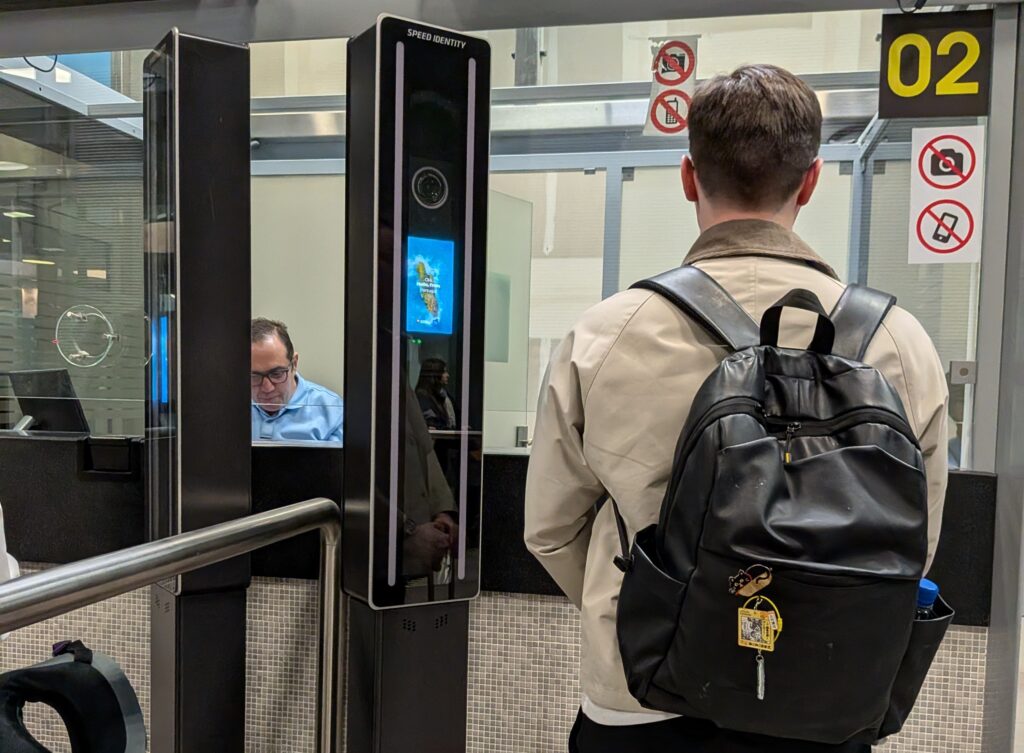
European airlines and airports are calling for structural changes to the EU’s biometric Entry/Exit System (EES), warning that border queues routinely exceed two hours and can reach five hours during peak traffic periods.
In a six-point plan released October 12, Airports Council International Europe (ACI Europe) and Airlines for Europe (A4E) call for streamlined biometric checks, improved pre-enrollment tools and greater use of automated border controls.
In a joint statement, Olivier Jankovec, ACI Europe director general, and Ourania Georgoutsakou, A4E managing director, recognize the achievement of the EES in strengthening the security of Europe’s external borders. But they argue that, six months after the EES reached full implementation, the system has yet to deliver the faster and more efficient border crossings promised.
“This is no longer a teething problem, nor can passengers, airports and airlines keep paying the price for avoidable disruption,” they say. “The time for simply managing the symptoms is over. We need decisive action to fix the structural problems in the EES, streamline its processes and secure efficient border crossings.”
The two trade bodies have proposed six changes intended to address delays while maintaining the security benefits of the EES. Their recommendations are to:
- Eliminate duplicate verification processes.
- Optimize biometric verification procedures.
- Prevent the creation of duplicate EES traveler profiles.
- Upgrade the Travel to Europe app and web portal to improve pre-enrollment.
- Accelerate and standardize automated border controls for third-country nationals.
- Restore the ability to temporarily suspend biometric registration during excessive waiting times, making the flexibility measure permanent.
“Europe needs a border management system that is both secure and operationally effective, not one that achieves one objective at the expense of the other,” say Jankovec and Georgoutsakou.
The European Union has granted at least nine Schengen countries flexibility to temporarily suspend biometric registration under the EES to maintain passenger flows. The countries include France, Germany, Italy, Belgium, the Netherlands, Greece, Malta, Portugal and Switzerland.
EES yet to significantly affect UK travel demand, says Abta
The EES has not had a big impact on travel from the UK so far, according to travel association Abta. The organization is urging EU authorities to extend temporary contingency measures into 2027, however, especially as the launch of the Etias travel authorization system appears to have been delayed.
Speaking at Abta’s annual Travel Convention in Madeira, the association shared findings from its latest Holiday Habits survey, which gathered responses from more than 2,000 travellers. Only six percent of respondents said the EES process had made them significantly less likely to visit EU destinations.
The survey found that 46 percent of travellers heading to Europe had already used the EES since its phased introduction began late last year. Among those travellers, half reported waiting less than 30 minutes at border controls, while 87 percent experienced delays of under one hour.
Most travellers reported minimal disruption from the new system. Eight in ten respondents said EES checks had not created any wider problems for their journeys, with delayed transfers remaining a more common cause of travel disruption this year.
Luke Petherbridge, Abta’s public affairs director, said travellers who have used the system generally have not experienced major delays. However, he warned that the EU must ensure the scheme is stable and efficient before any stricter rollout takes place.
People must not be deterred from travelling, Petherbridge said, adding that the European Commission should maintain its flexible approach and continue contingency arrangements if necessary.
He also noted that delays surrounding the EES have had a knock-on effect on the planned introduction of Etias, the EU’s forthcoming electronic travel authorization scheme for visa-exempt travellers, which had been expected in 2026.
According to Petherbridge, references to that timeline have now been removed from EU websites, leaving no official launch date for Etias. He said the industry expects further clarification from EU authorities in the coming months.
Related Posts
-
 September 14, 2026
-
 September 17, 2026
-
 December 9, 2025
-
 August 20, 2026
-
 February 3, 2026
-
 May 12, 2026
Article Topics
airport biometrics | biometrics | digital travel | Entry/Exit System (EES) | Europe

Comments