
Bangladesh weighs Securiport proposal for biometric‑driven border modernization
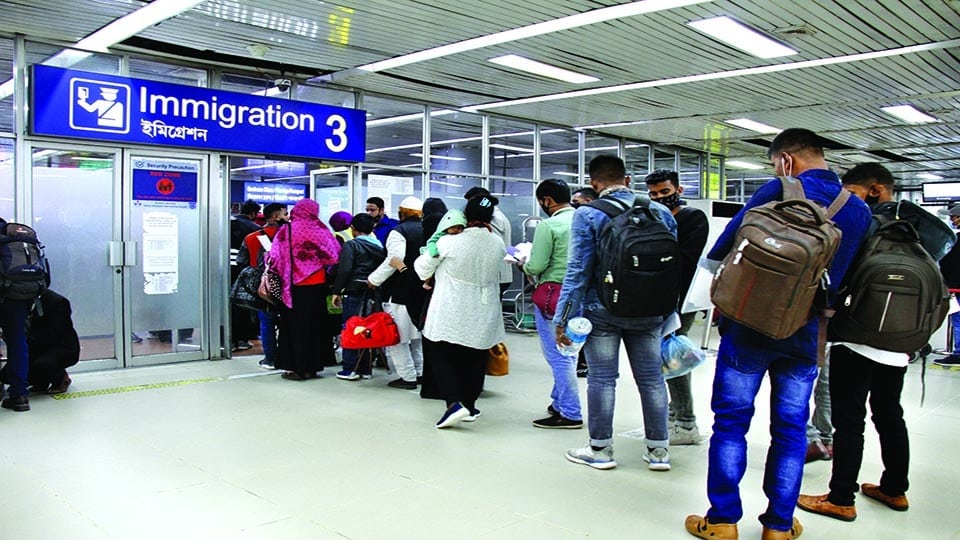
Bangladesh is considering an overhaul of its immigration and border management systems centered on biometric identity verification and passenger screening.
The South Asian country’s Ministry of Home Affairs has invited Securiport to submit a full technical and financial proposal by 22 October. The ministry will need Cabinet approval to pursue the project through direct procurement.
Securiport approached the Bangladeshi government in July with a plan to build an integrated border‑management network for all international entry and exit points. The company proposed an architecture that would deliver passenger information to immigration authorities before departure, enabling automated screening against Interpol databases and domestic watchlists.
The system could flag security risks in advance while speeding clearance for regular travelers. It mirrors a scheme in the Philippines where Securiport is involved in the Civil Aviation and Immigration Security Services (CAISS) project. The project remains under review, however, and the Philippines government has not yet endorsed Securiport’s position that CAISS will complement rather than duplicate existing systems.
Ministry of Home Affairs Senior Secretary Manzur Morshed Chowdhury said that discussions remain preliminary, according to The Business Standard. The secretary added that earlier plans to introduce Advance Passenger Information Systems (APIS) are now being revisited by the current administration.
Securiport’s framework for Bangladesh combines APIS and Passenger Name Records (PNR) with e‑visa and e‑travel authorization services. It would include biometric verification, national watchlists, Interpol integration and advanced analytics.
According to Bangladeshi officials, the company’s initial proposal includes domestic data hosting, full government data ownership, long‑term operational support and technology transfer.
The Cabinet Committee on Economic Affairs approved moving forward with evaluation of the proposal on 9 September, after which a steering committee led by Manzur Morshed was formed. At its first meeting on 30 September, senior officials backed the initiative but called for rigorous scrutiny.
Civil Aviation Secretary Fahmida Akhtar said modernizing immigration systems was in the national interest, while Finance Secretary Md Khayeruzzaman Majumder urged a detailed evaluation of Securiport’s costs and compliance with procurement rules.
Assessing the proposal
To assess the forthcoming proposal, the steering committee has established three specialized bodies: a due-diligence and technical evaluation group, a fee-rate committee and a negotiation team. The negotiation team will define service levels, KPIs, cybersecurity requirements, data sovereignty provisions, licensing continuity and exit mechanisms.
In his letter to Securiport, Manzur Morshed reportedly said that any agreement must guarantee government ownership of all data, system continuity, clear operational boundaries and technology transfer. The government also wants explicit assurances on cybersecurity and long‑term sustainability.
Official records show an unapproved Tk1,800‑crore (US$146.31 million) project titled “Implementation of e‑Visa, Bangladesh” in the current Annual Development Programme, scheduled for 2026–2031. It remains unclear whether this allocation is linked to the Securiport proposal.
Bangladesh is exploring biometric-enabled border modernization, but no final decision has been made. The next step depends on Securiport’s detailed submission and the findings of the three evaluation groups.
Related Posts
-
 July 30, 2026
-
 October 7, 2026
-
 September 23, 2026
-
 February 10, 2026
-
June 16, 2026
-
 September 14, 2026
Article Topics
Bangladesh | biometrics | border management | immigration | passenger processing | public-private partnerships | Securiport | tech sovereignty

Comments