
Border biometrics move toward better gates, or none at all

The biometric technology needed for a new kind of border control is here. Travelers can already move through airports and some land-border checkpoints without breaking stride, while mobile pre-registration is pushing identity checks further upstream. The use case still has room to grow, but longstanding concerns about surveillance and overreach remain just as relevant.
Several notable numbers in digital public infrastructure also made headlines on Biometric Update this week.
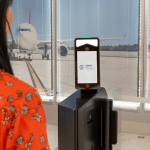
Pace picks up for walk-through biometric borders
U.S. CBP has begun testing walk-through facial recognition technology from NEC, Paravision and AiFi at a land border crossing in Texas. Pedestrian crossings are one of the biggest remaining gaps in America’s biometric Entry-Exit System, but Congress has allocated billions to bring the technology to production.
CBP has reached a billion travelers’ face biometrics screened since it began standing up its EES in the aftermath of 9/11.
Janice Kephart joins the Biometric Update Podcast this week to talk about how the events reshaped travel policy around biometrics and the gaps remaining in the system 25 years later.
Idemia Public Security has its own face biometric corridor technology, which matches the face biometrics of multiple subjects at once, and took the occasion of the first-ever PTE Asia to announce it will bring the solution to the APAC region. PaXpress SmartLanes are already being trialed in the region.
UK airports are getting updated e-gates that will allow travelers to use face biometrics for border checks when they return to the country without showing their passports. In India, facial recognition checks for airline and airport staff will be required to increase aviation security in the aftermath of the latest terrorism incident.
With passenger checks shifting to include pre-registration on mobile apps, the new version of DHS’ Remote Identity Validation Rally has implications for border control as well. RIVR-2 adds international passports to the state-issued ID cards used in the previous version, as well.
Data collected by agents with DHS’ Homeland Security Investigations as they observe arrests by ICE, including facial recognition results, is being fed through Palantir software to border agents. Border agents can then apply enhanced screening to those HSI agents believe pose operational or safety concerns.
This arrangement is part of the context of the IBIA’s call for Congress to expand biometric screening at land borders while also imposing enforceable limitations on profiling. The House Intelligence Committee’s recommendation that CBP build traveler profiles needs clear restrictions if it is to offer more than what license plate recognition systems currently do without replicating the surveillance systems used by authoritarian governments.
Even physical travel IDs are changing, with ECOWAS running public awareness campaigns ahead of a December mutual recognition target for its ENBIC biometric ID cards for cross-border travel within the region.
DPI beyond the numbers
On the heels of his recognition among the “DPI 50,” Tariq Malik argues in an interview with Biometric Update for more customized approaches to building digital public infrastructure in Africa. Exit tests for partnerships are in; registration pilots, at least in cases like Malawi, are out.
And DPI projects are roaring ahead around the world.
Indonesia is planning a tender for “level 2” PAD to use in remote biometric onboarding for its national digital ID, and is seeking industry input.
South Africa’s first digital ID was issued last week. Afghanistan has issued more than 18 million electronic ID cards, but also has a problem with undocumented returnees and IDPs.
India is gearing up for DPI 2.0, which ONDC CEO T. Koshy breaks down in an interview with Biometric Update.
Please let us know if you happen across any podcasts, panels or other content you think we should share with the people in biometrics and the digital identity community, either in the comments below or through social media.
Related Posts
-
 July 1, 2026
-
 June 22, 2026
-
 October 8, 2026
-
 May 27, 2026
-
 November 12, 2025
-
 January 15, 2026
Article Topics
biometrics | border security | digital identity | digital public infrastructure | week in review

Comments