
CBP face biometrics reach 1B travelers checked in 25 years since 9/11
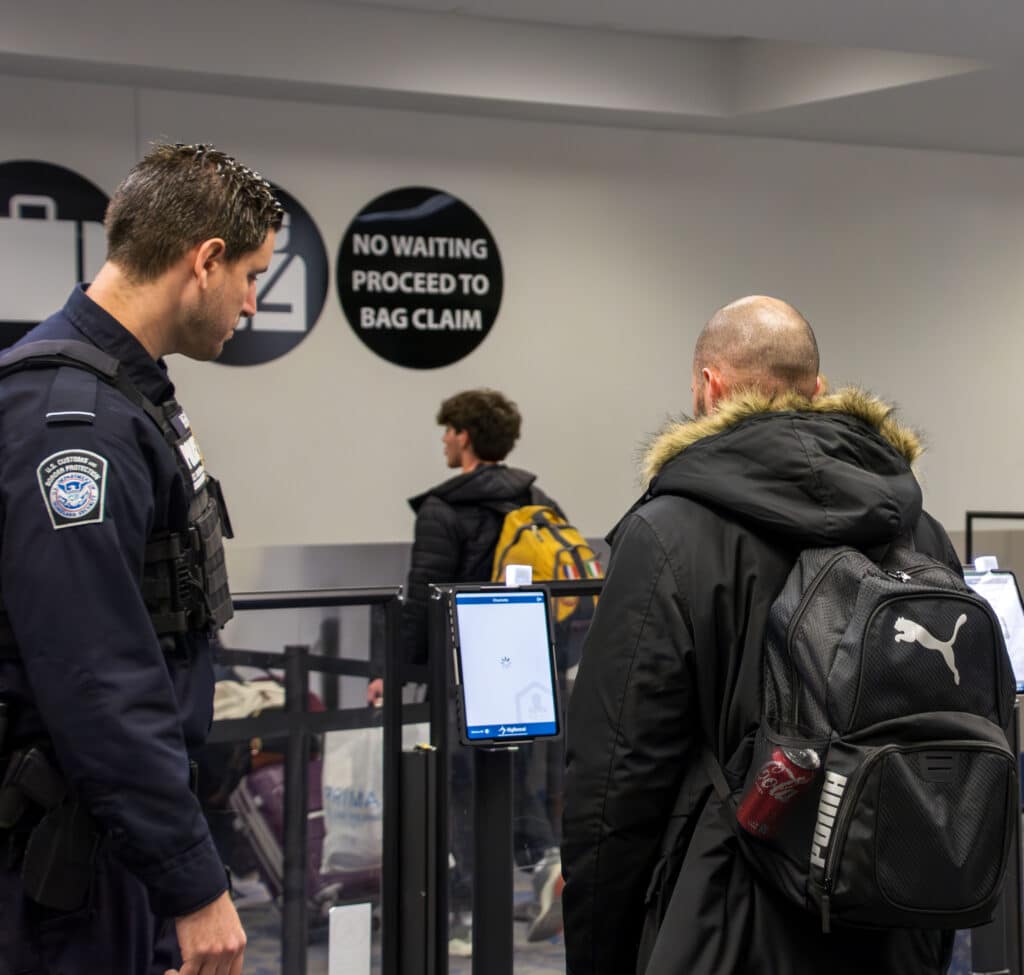
U.S. Customs and Border Protection (CBP) says its biometric technology has facilitated the processing of more than 1 billion travelers. A release from CBP celebrates the milestone as proof of “CBP’s unwavering commitment to enhancing national security, combatting identity fraud, and streamlining legitimate travel.”
It quotes Executive Assistant Commissioner Diane J. Sabatino of CBP’s Office of Field Operations, who says “accurately verifying the identity of over 1 billion travelers at air, land, and sea with facial biometrics signifies a historic achievement for CBP and the Department of Homeland Security.”
CBP says it has integrated face biometrics into entry processes at all U.S. airports with international arrivals, including preclearance locations, and exit processes at 66 U.S. airports, reporting accuracy above 98 percent. It has also implemented face biometrics at all pedestrian lanes at both southwest and northern border ports of entry. Biometric vehicle lanes are rolling out now.
At sea, CBP implemented face biometrics at 42 seaports, and expanded its data-sharing agreements with cruise lines. It is also expanding facial biometrics for identity verification into other programs and initiatives, including Global Entry Modernization and Enhanced Passenger Processing for U.S. citizens.
Biometric entry-exit expansion remains unfinished
The agency cites the September 11, 2001 attacks, and the subsequent formation of the 9/11 Commission, as a catalyst for accelerating the implementation of an automated biometric entry-exit data system.
“As we recently honored the 25th anniversary of the Sept. 11th attacks last month,” Sabatino says, “this milestone is a powerful testament to our commitment to meeting the biometric Entry/Exit mandate, by leveraging cutting-edge technology to enhance national security, streamlining the travel experience, protecting privacy, and effectively combatting threats like identity fraud. It reflects years of innovation and the tireless dedication of our personnel across all environments.”
CBP is working with $673 million in funding to continue expanding biometric entry-exit systems across all U.S. ports of entry. That work includes expanding biometrics at vehicle entry points and during embarkation for crew and passengers.
In cooperation with the DHS Science and Technology Directorate (S&T), CBP also initiated pedestrian exit testing to assess whether advanced cameras could capture quality images of travelers walking at speed as they departed the United States through a southwest port of entry.
The agency underscores its commitment to privacy, and notes that U.S. citizens and eligible travelers who do not wish to participate in the face biometrics process can opt out in favor of a manual document check.
Nonetheless, CBP’s use of biometric technology under the current U.S. administration continues to be controversial and to raise fears of mass surveillance, prompting calls for stronger oversight and legislative action from political opponents.
Related Posts
-
 June 23, 2026
-
 September 14, 2026
-
 September 17, 2026
-
 August 20, 2026
-
 February 3, 2026
-
 September 1, 2026
Article Topics
biometric exit | biometrics | border security | CBP | identity verification | U.S. Government

Comments