
Florida proposes Safe Screens Act to put age assurance on social media, chatbots
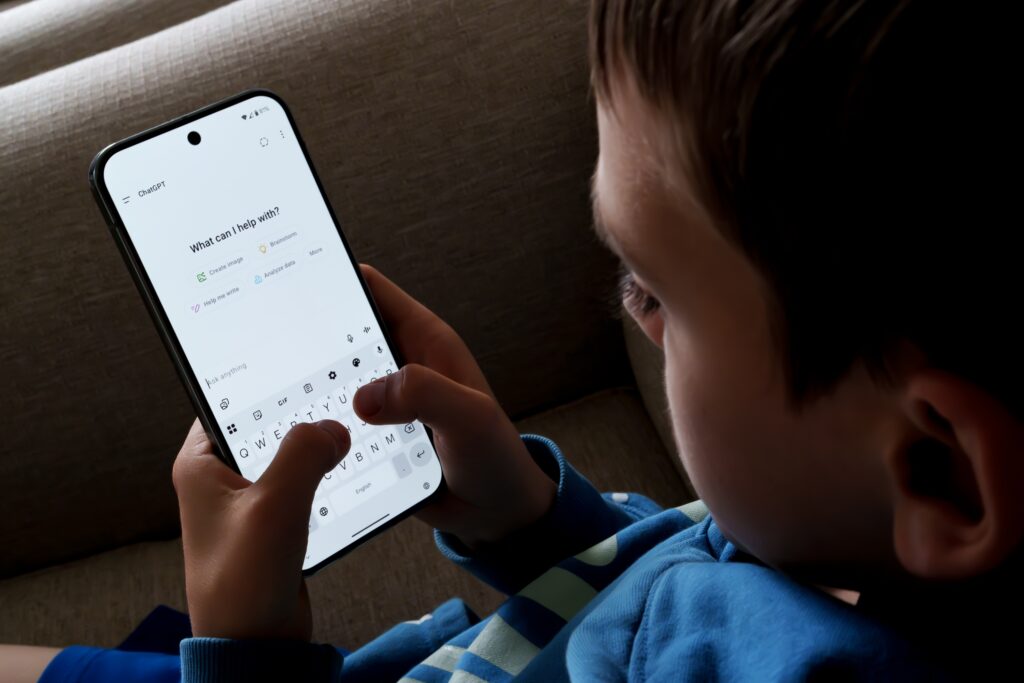
Florida Attorney General James Uthmeier has proposed new legislation, called the Safe Screens Act, which would build on existing laws by requiring “age determination and parental consent” before minors download or buy apps, and impose protective design features on accounts belonging to users between 14 and 17 years old.
A release from the AG’s office says the law would also prohibit AI chatbots from “providing minors features that simulate companionship, encourage harm, generate sexual content, or claim to be human.”
Uthmeier’s proposal lands after a court stayed an injunction against Meta demanding the removal of addictive features such as infinite scroll, 24-hour access and cosmetic filters that contribute to body-image problems. Meta had appealed the injunction.
Per a report in Florida Today, Uthmeier chose further litigation instead of accepting the $17 billion multistate settlement Meta agreed to in August, which he dismisses as “peanuts” for the company. Only two other states refused.
Seemingly determined to bring down the hammer on Big Social, Uthmeier says the Safe Screens Act goes further than HB 3, the current law prohibiting social media accounts for anyone under 14 – and that he is determined to see it through. “Parents deserve real control, and companies must design for safety, not addiction,” Uthmeier says, invoking the language of a digital duty of care. “If you invite Florida’s children onto your platform, you have a duty to keep them safe.”
Uthmeier has been on something of a tear lately, also suing Discord and declaring the messaging platform a public nuisance. In his speech announcing the Safe Screens Act, he detailed how online predators use social media to groom and abuse kids.
“We’re gonna fight back,” he says. “We told them we’ll see them in court. We stand to make a lot more money in court than caving, settling, selling out our kids for pennies on the dollar.”
Age restrictions, but also time limits, hidden likes
The Safe Screens Act’s requirement for “age determination and parental consent” in fact endorses the age assurance model social media companies have campaigned for. “App stores and similar marketplaces must determine the user’s age, link minors to a parent’s account, and obtain parental consent before a minor downloads or buys an app from a covered platform,” says the AG’s office, describing the declared age range model at the OS level being deployed via APIs in Apple and Google’s app platforms.
Protective design features for users under 18 include a quiet mode that blocks access from 11 p.m. to 7 a.m., and during school hours on academic-year weekdays. “Platforms must hide like, comment, and reaction counts by default; only a verified parent may enable them, with a 30-day opt-out prompt.” Autoplay and infinite scroll are off by default, and also require parental consent to turn on. A time limit of 2 hours daily and 60 hours monthly applies.
Furthermore “AI chatbot operators and platforms must determine account holder’s age. Operating systems must apply age-appropriate restrictions at the device level based on the user’s age.” Chatbots can’t get intimate, encourage self-harm, suicide, eating disorders, or illegal activity; claim to be human; or “encourage isolation or discourage help from appropriate adults.”
In terms of technology specs, Florida says “all age determination must use commercially reasonable, privacy-protective methods.”
“Knowing or reckless violations” are unfair practices under Florida law, and subject to fines of up to $50,000 per violation.
But Uthmeier is looking for a much bigger payout than that; his “see you in court” speech references the recent court decision ordering Meta to pay $25 billion to New Mexico in a data privacy case.
‘Age determination’ is an unnecessary lexical variant
Regardless of the success of Florida’s Safe Screens Act, it introduces a new wrinkle into the lexicon of age assurance. “Age determination” is closer in spirit to “age verification,” with its requirement for an initial reference against a date of birth, than it is to “age assurance,” which implies that the relying party can be assured a customer or user is old enough to gain access to a product or service.
To “determine” implies discovery of a fact, and therefore its verification. As such, it would seem to exclude facial age estimation technologies, which do not use a date of birth for reference, but rather guess at a user’s age based on a real-time analysis of facial features and geometry.
The specifics of Florida’s law are for Florida to determine. But the definitions and terminology of age assurance are now standardized under ISO/IEC 27566. One questions the wisdom of adding a redundant term into the mix, which will inevitably only weaken trust in technologies that are moving toward standardization as a matter of transparency.
Related Posts
-
 April 10, 2026
-
 July 27, 2026
-
 December 8, 2025
-
 December 12, 2025
-
 September 2, 2026
-
 July 8, 2026
Article Topics
age verification | app store age verification | chatbots | Declared Age Range | Florida | legislation | social media

Comments