
IATA survey finds growing demand for biometrics as travel barriers persist
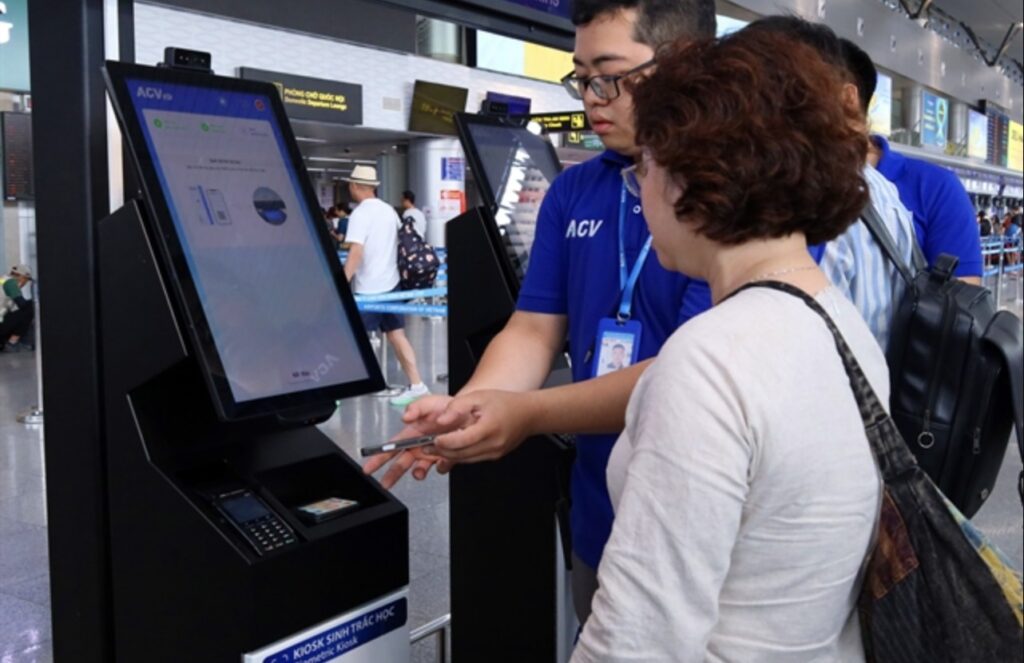
Biometrics continue to go mainstream, and AI is entering the travel picture, according to the International Air Transport Association (IATA)’s newly released 2026 Global Passenger Survey (GPS). However, while the act of travel is getting easier, the administrative burden is increasing, and entry requirements are a growing barrier for many.
To support the transition to biometrics-enabled contactless travel and the adoption of digital identity across the passenger journey, IATA has pledged to work with governments to enable the issuance and acceptance of Digital Travel Credentials (DTCs) for international travel, and published the Contactless Travel Directory, a directory that supports the adoption of biometric ID by allowing airlines, airports and border authorities to find and connect once to multiple partners. It has also awarded its first One ID certifications, to Air New Zealand and Hong Kong International Airport.
Biometrics preferred over physical document presentation by 78% of travelers
In a release, IATA Senior Vice President of Operations, Safety and Security Nick Careen sums up the GPS’s core findings: “passengers are embracing technology to make travel easier. AI is becoming a mainstream travel planning tool, while biometrics and digital identity are creating a faster and more seamless airport experience.”
“Yet many travelers continue to face barriers from complex immigration and visa processes. Governments can help by simplifying entry requirements, eliminating duplicate checks, and accelerating the issuance and acceptance of secure digital travel credentials.”
For travel, biometric identity verification is a clear win. Digital ID and biometrics can reduce repeated document checks, enable personalized services at booking, and facilitate frictionless check-in. Some six in ten passengers report experiencing biometrics at least once in the past 12 months, and satisfaction with biometrics continues to climb, with 87 percent saying they are happy with the experience. Seventy-eight percent of travelers say they would be willing to share their biometric information if it means they can skip showing a passport or boarding pass at airport checkpoints.
“More passengers are experiencing biometrics during their travel,” says Careen. “They like it and want more. That’s good news because the benefits are substantial – smoother journeys for passengers and more efficient, secure processes for governments and airlines.” But “to make biometrics the norm for international travel, governments must agree on a framework for issuing and accepting secure digital passports or Digital Travel Credentials.”
Digital passports generate interest, but data security fears remain
Interest in digital passports is also high, and growing. Eighty-four percent of surveyed travelers are interested in using a digital passport for online check-in instead of a physical document. Eighty-two percent would share a digital passport with an airline after booking and payment to receive personalized services. The same proportion expressed interest in using a smartphone combining a digital wallet, digital passport and loyalty cards to manage their journey.
Leading concerns about biometrics reflect wider fears about the increasing porousness of data security systems. Data breaches worry 59 percent, information being shared with other organizations troubles 49, and “a lack of clarity about how their personal information is handled” keeps 41 percent up at night.
AI is well on the way, and can help expedite visa applications
AI-assisted systems are a newer development, and IATA finds that they are already factoring into how passengers plan travel. Nearly half of travelers have used AI for travel planning, with 21 percent of passengers using it to search for flights to a specific destination, 19 percent using it to find the cheapest flights, and 17 percent asking AI where they should go.
As such, says Careen, “it’s important for airlines not only to ensure their offerings show up in AI, but also to develop convenient links to convert an AI conversation into a real booking.”
Regarding entry requirements, the GPS shows that they have discouraged 43 percent of passengers from visiting a destination, up from 33 percent in 2025. More and more, travelers want to apply for visas online and complete immigration procedures before reaching the airport. Among travelers discouraged by immigration requirements, 53 percent cite complexity as the principal problem, while 17 percent cite privacy concerns and another 17 percent cost.
Careen notes that “more than 100 countries issue eVisas, yet there is little consistency in how they are checked. The tools to fix that already exist, and governments should adopt them.”
Regional trends show North America with highest use of biometrics
Regionally, North American travelers report the highest use of biometrics, but also have the strongest concern about data breaches. Second in line for both statistics is Asia-Pacific, which also has the world’s most satisfied travelers. European passengers are among the least willing to use biometrics and digital passports during booking and online check-in.
Travelers in the Middle East are most likely to use AI for travel planning and show the strongest interest in digital passports and biometric identification.
In Latin America and the Caribbean, travelers are the most likely to prefer completing immigration procedures before arriving at the airport, and show “a strong willingness to share immigration information digitally in advance” – but biometric use remains below average.
Africa is the most interested in digital travel solutions, which reflects how the complexity of immigration requirements deters travelers on the continent more than in any other region.
Air New Zealand, Hong Kong airport receive first One ID certifications
IATA has also announced that Air New Zealand and Hong Kong International Airport (HKIA) are the first organizations to achieve One ID Certification, which, according to a release, gives airlines, airports and governments “assurance that an organization’s use of digital identity and biometrics meets IATA’s global One ID standards.”
Certifications are available in four areas of activity: Digitalization of Admissibility; Contactless Travel; Biometric Handling; and Privacy, Consent, and Governance. Organizations including airlines, airports and technology providers can apply for all four. Air New Zealand and Hong Kong International Airport were certified across “all areas applicable to their respective operations.”
IATA’s Nick Careen says “digital identity can make travel much simpler for passengers, but only if everyone involved in the journey trusts how others verify identity, handle biometric data, and protect privacy. One ID Certification gives them that assurance. Air New Zealand and Hong Kong International Airport are among the industry’s leaders in using One ID-enabled digital identity to improve the passenger experience. As the first organizations to be certified, they have set the benchmark for others to follow.”
India’s Digi Yatra opening international passenger trials
The Times of India reports that, starting November 1, 2026, Indian nationals with e-passports traveling on Air India and IndiGo can use digital credentials hosted in their Digi Yatra wallets at seven airports. The trials, which will apply to terminal entry, security hold areas, and boarding gates, are set to run through December 2026.
The trials will enable eligible passengers to use digital credentials at participating airport checkpoints, but they will not replace immigration procedures, mandatory airline document checks or physical travel documents.
Digi Yatra, which currently has 25.6 million users, is also getting a redesigned interface ahead of a planned wider rollout in 2027.
Related Posts
-
 November 21, 2025
-
 May 14, 2026
-
December 4, 2025
-
June 12, 2026
-
 June 1, 2026
-
 January 15, 2026
Article Topics
airport biometrics | biometrics | Digi Yatra | digital travel | digital travel credentials | International Air Transport Association | One ID

Comments