
Korean police add contactless fingerprint search to missing person system
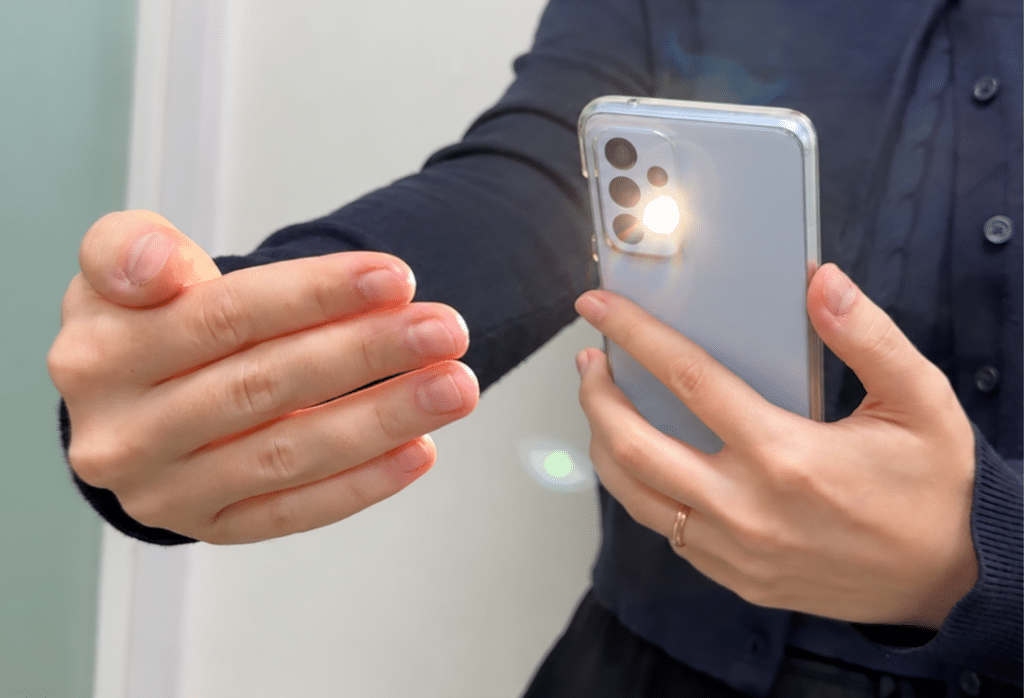
South Korea’s National Police Agency is adding one-to-many fingerprint search to its SafeDream preregistration system after adopting Winning.I’s smartphone-based contactless biometric capture software in 2025.
Winning.I will supply the fingerprint search engine, allowing prints captured with a smartphone to be compared against multiple preregistered records. Possible candidates are returned for police review.
SafeDream is a voluntary missing-person service for children under 18, people with intellectual, developmental or mental disabilities, and people with dementia.
Guardians can register fingerprints, a facial photograph, identifying characteristics, and contact information.
If police encounter someone unable to communicate their identity, an officer can capture a fingerprint and search for the person’s record before contacting a guardian.
The company says approximately 5.2 million people had been registered by May 2025, which covers 63.9 percent of the eligible population.
“Last year, our technology was selected to replace the existing fingerprint capture solution, making it possible for families to register high-quality fingerprints more conveniently using a smartphone,” a representative from Winning.I says.
The company’s AEROX SignLoc application previously passed an iBeta PAD Level 1 evaluation. The test assessed resistance to specified presentation attacks.
The deployment places SafeDream among a small number of documented police programs using standard smartphones for contactless fingerprint capture.
Austria’s BioCapture system is used by selected police units and is scheduled for wider deployment.
The Placer County Sheriff’s Office in California has made CamraIB available on iPhones used by more than 200 deputies.
Hungary is evaluating the technology, while the UK has conducted police trials.
“Connecting accessible mobile enrollment with large-scale fingerprint search can help shorten the process from finding a missing person to identifying them and safely returning them home,” the representative adds.
The contract extends Winning.I’s role in SafeDream from fingerprint enrollment to one-to-many identification.
Related Posts
-
 July 10, 2026
-
 March 4, 2026
-
 September 9, 2026
-
 February 10, 2026
-
 August 21, 2026
-
 October 29, 2025
Article Topics
biometrics | contactless biometrics | fingerprint biometrics | law enforcement | South Korea | WINNING.I

Comments