
New World Bank funding to support Rwanda’s digital ID rollout, CRVS digitization
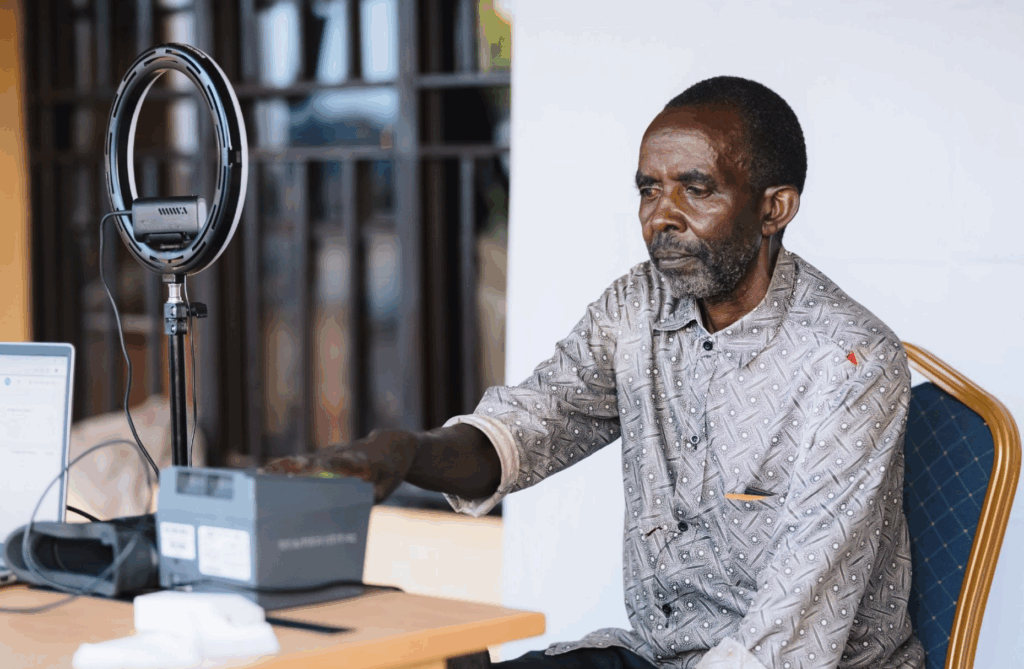
Rwandan lawmakers have approved about $19 million in additional World Bank financing to support the national digital ID rollout and digitization of the country’s civil registration and vital statistics system.
Local daily The New Times reports that legislators recently approved a bill to ratify the loan agreement signed in Kigali on July 11 between the Rwandan government and the World Bank’s International Development Association (IDA).
The State Minister for National Treasury, Godfrey Kabera, told the members of parliament that the additional funds would fill a financing gap caused by an earlier reduction in project funding. In 2024, the government repurposed about $20 million from IDA funding to support other operations, under an agreement with the World Bank.
Kabera said the money would help fund components of the ongoing Rwanda Digital Acceleration Project (RDAP), including the continued rollout of the single digital ID system, strengthening cybersecurity, expanding affordable internet access and improving access to digital equipment. The resources will also be channeled into improving government services, developing technology skills, supporting innovation, building data hubs, and upgrading digital systems for public safety and emergency response.
Kabera said the digital ID rollout and CRVS digitization components are 76 percent and 89 percent complete, respectively.
For the past several months, Rwanda has been conducting biometric enrollment in preparation for the new digital ID system which the government says aims to streamline access to public and private sector services.
On October 4, the National Identification Agency (NIDA) said the nationwide exercise had covered all districts, with about 13.7 million individuals biometrically enrolled. Those not reached are expected to have their biometric capture at their respective sector offices when the exercise resumes.
Rwanda has also advanced CRVS reform, expanding legal identity coverage and access to services.
As part of the additional financing, RDAP’s closing date has been extended to June 30, 2028. Launched in 2021, the project had an initial funding allocation of $200 million, with $100 million each from the World Bank’s IDA and the Asian Infrastructure Investment Bank (AIIB).
The project has already introduced or upgraded 258 online public services, exceeding its initial target. However, the Government Data Hub remains unfinished after the initial procurement process had to be restarted because the bids were deemed insufficient in quality. Procurement for data-security activities was also ongoing, contributing to the need for more time to complete the project.
Rwanda’s ongoing efforts highlight the growing interdependence of digital ID, government data infrastructure and cybersecurity within its national digital transformation program. The country is working to connect these components to improve public service delivery and support the growth of its digital economy.
The country is also leveraging partnership opportunities with countries such as Jordan and Gabon, to share notes on digital public infrastructure implementation.
Related Posts
-
 February 27, 2026
-
 October 12, 2026
-
 January 7, 2026
-
 October 24, 2025
-
 August 5, 2026
-
 June 9, 2026
Article Topics
civil registration | CRVS | funding | national ID | National Identification Authority (NIDA) | Rwanda | Rwanda Digital Acceleration Project (RDAP) | World Bank

Comments