
Philippines’ $171M CAISS border project pitched as biometric upgrade, not duplication
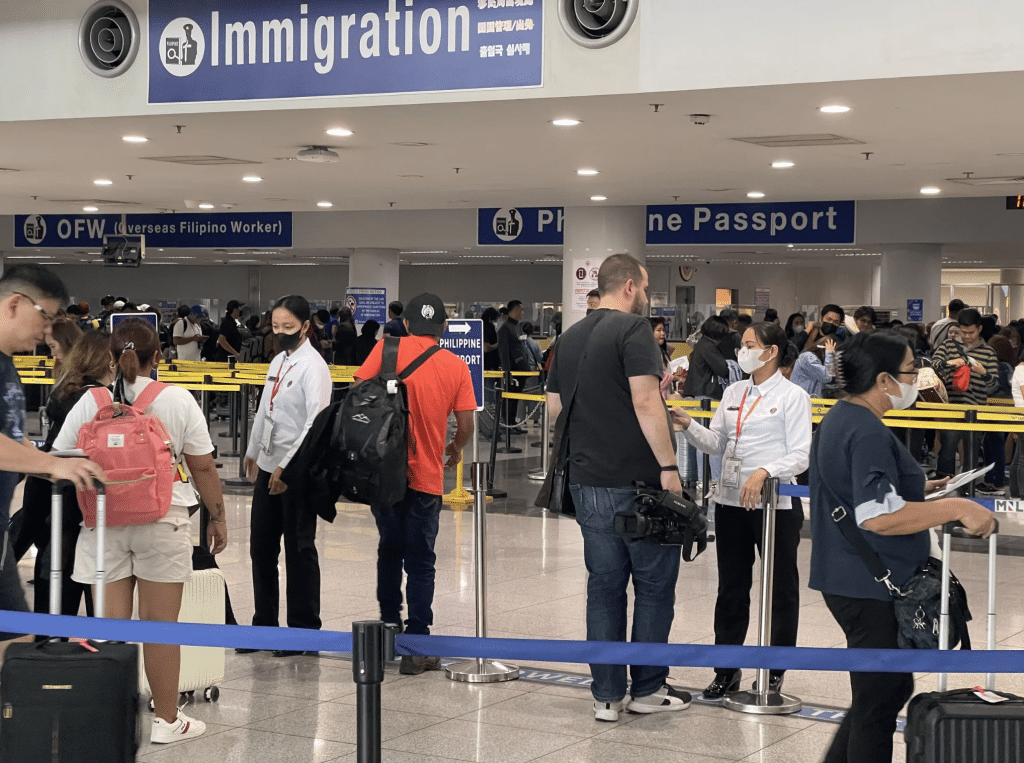
Securiport has elaborated on its involvement in the Philippines’ Civil Aviation and Immigration Security Services (CAISS) project. The U.S. company’s chief technology officer Nate Carpenter said the CAISS project is meant to enhance existing government border systems, not duplicate them.
Speaking at ICAO’s Traveller Identification Programme (TRIP) Symposium in Montreal, Carpenter said that Securiport adds capabilities and risk‑identification features. “This is actually not a duplication at all,” Carpenter said. “We built our system at Securiport to fit into the government’s ecosystem.”
The PHP 10.74 billion (about US$171.5 million) public‑private partnership will integrate Advance Passenger Information (API) and Passenger Name Record (PNR) data. API data will show who is expected to travel, while CAISS would use biometrics to verify who is actually present. PNR data adds booking and payment details, giving authorities additional information for risk assessment before boarding.
The proposed system would use one-to-many biometric matching, with face, fingerprint and iris data checked against historical records. The integration aims to flag mismatches and speed low‑risk travelers through e‑gates.
Carpenter said automated border control, such as e‑gates, kiosks and contactless corridors, is essential for high volumes. CAISS will link with BI’s ongoing e‑gates expansion. “We look at it as multiplying the government’s investment that they’ve already made,” he said (via Manila Standard).
The system will unify data streams into one platform and will extend beyond airports to seaports and other border crossing stations. The Bureau of Immigration (BI) targets initial rollout by December, with full modernization in two to three years.
The CAISS platform would be deployed across 11 international airports as well as the Zamboanga international seaport and six border crossing stations. The project was proposed by Securiport through the Public-Private Partnership Center of the Philippines.
A key feature of the proposal is a guaranteed technology refresh every four years over the 20-year project period, ensuring the system remains current without additional government spending. The financing model follows a user‑pays approach, meaning only travellers who use the service would shoulder the cost.
The project remains under review, however, and the government has not yet endorsed Securiport’s position that CAISS will complement rather than duplicate existing systems.
Related Posts
-
 June 16, 2026
-
 September 17, 2026
-
 August 20, 2026
-
 February 3, 2026
-
 May 12, 2026
-
 June 23, 2026
Article Topics
biometrics | border security | Philippines | public-private partnerships | Securiport

Comments