
Sarawak links state digital ID with Malaysia’s MyDigital ID for cross-government service access
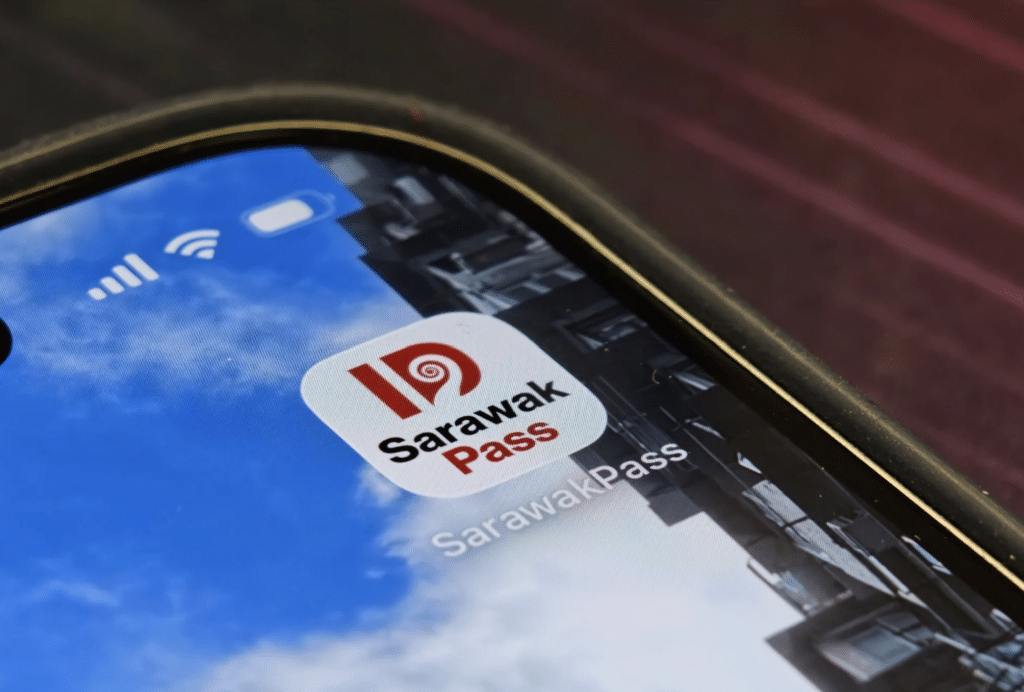
SarawakPass, a state-level digital ID in Malaysia, has been integrated with the national MyDigital ID system, allowing users to access participating state and federal services through either credential by scanning a QR code.
The integration was showcased at the International Digital Economy Conference Sarawak (IDECS) 2026 in Kuching on October 5, in the presence of Sarawak Premier Abang Johari Tun Openg, Dayak Daily reports.
The move is another example of a subnational credential operating alongside a national identity layer. Tobago ID in Tobago offers a similar model for public-service access.
According to a news release announcing the integration, SarawakPass users can now scan a MyDigital ID QR code to log into participating federal web services, while MyDigital ID users can do the reverse to access participating Sarawak services. Sarawak is a state located in East Malaysia on the island of Borneo.
SarawakPass has also expanded beyond government services, with integrations including Sarawak Energy’s SEB Cares, Sarawak Water and AirBorneo. The state government plans to develop SarawakPass further as a shared digital layer for consent-based data exchange and personalized services.
The integration follows a memorandum of understanding signed last year between the Sarawak government and Malaysia’s National Cyber Security Agency. At the time, authorities said the integration of the subnational and national digital IDs would make authentication across state and federal platforms seamless. SarawakPass was launched last year as an evolution of the existing Sarawak ID.
MyDigital ID CEO Nik Hisham Nik Ibrahim said the integration is a major step forward in building a national digital identity ecosystem that will facilitate access to a wide range of public services. He said the digital ID scheme has continued to expand, with about 14.1 million users now across 203 integrations and 82 million logins recorded since August last year. Nik Hisham added that the integration brings the trust of the national identity foundation closer to residents of Sarawak.
Malaysia is also advancing a federal push to build a stronger digital ecosystem. In a written parliamentary reply in July, Deputy Prime Minister Ahmad Zahid Hamidi said 19 state-level online applications had been integrated with MyDigital ID, with 28 more in development. Hamidi put the number of integrated online government services at 114 as of June, noting that a January 2025 directive from the chief secretary to the government requires ministries, statutory bodies, state secretaries and local authorities to adopt MyDigital ID single sign-on, which he said would help its use, as reported by New Straits Times.
Authorities have said MyDigital ID is voluntary, but its expanding integration into government and other services has raised questions about how voluntary it remains in practice.
A recent analysis noted that while the credential remains formally optional, its growing use as an authentication layer for services means citizens could increasingly encounter situations where having a MyDigital ID becomes the practical route to accessing particular platforms.
MyDigital ID is increasingly being required for some services, including MyJPJ (road transport) and prepaid SIM card registration, while it has also been promoted as an age-verification option for social media users. MyDigital ID is targeting 17 million registered accounts by the end of 2026.
The SarawakPass integration therefore fits into a broader Malaysian push to make MyDigital ID interoperable across state, federal and eventually cross-border services.
Related Posts
-
 November 25, 2025
-
 February 2, 2026
-
 December 8, 2025
-
 November 21, 2025
-
 June 25, 2026
-
 April 15, 2026
Article Topics
cross border identity verification | digital government | government services | Malaysia | MyDigital ID | QR code

Comments