
South Africa allocates additional $9M to MyMzansi digital government platform
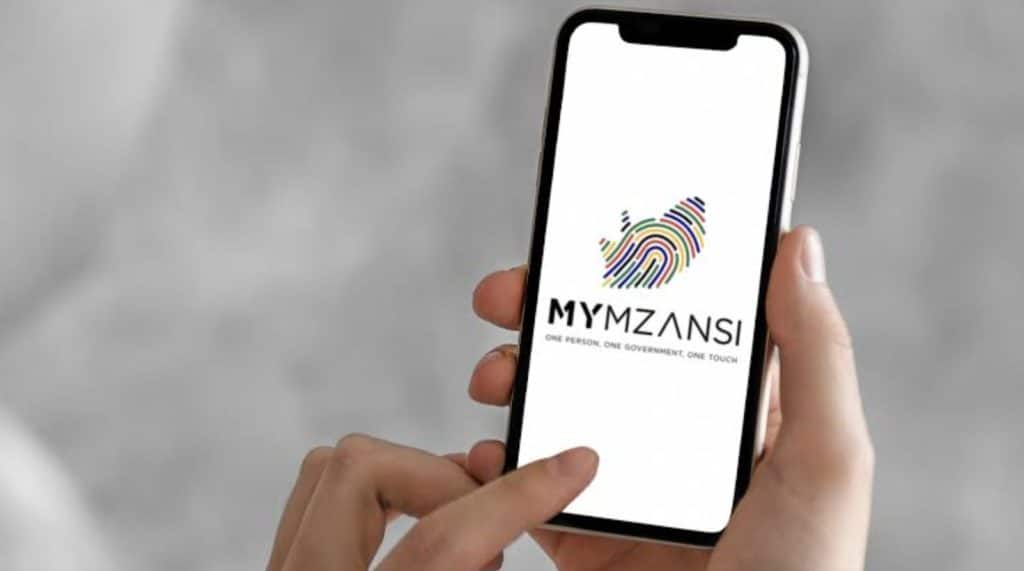
The South African government has announced an additional allocation of R150 million (US$9 million) in the 2026/27 adjustments budget to strengthen the technical capacity of teams working on the country’s MyMzansi digital public infrastructure (DPI) platform.
Finance Minister Enoch Godongwana made the announcement on October 21 in his medium-term budget policy statement. Without giving further details about when the platform will be fully operationalized, the minister emphasized its importance, stating that it will allow citizens to “access government services through a single digital platform.”
South Africa has been developing the MyMzansi roadmap, which runs from 2025 to 2030 and aims to transform the delivery of public and private-sector services. The initiative brings together three core DPI components that the government intends to develop during the plan’s first phase, ending in 2027.
One of the platform’s features is a new national digital ID, whose working prototype underwent a live demo by Home Affairs Minister Leon Schreiber earlier this month. Schreiber said the digital ID hosting infrastructure is expected to be completed by March 2027. The digital credentials are envisaged to be issued through a mobile wallet in the 2027/28 financial year.
Under the MyMzansi initiative, a data exchange platform known as the MzansiXchange is also being piloted to test how public entities in South Africa can securely exchange information. The government has also tested a prototype that takes users through a driver’s license renewal process linked to the National Traffic Information System, as reported by TechCentral.
Central bank plans separate digital ID for payments
The additional budget allocation comes as the South African Reserve Bank (SARB) is also planning a separate digital ID for payments, aimed at facilitating transactions in the country.
Speaking at the bank’s payments conference in Pretoria, Governor Lesetja Kganyago said the proposed digital identity would help reduce fraud and facilitate customer onboarding, The National reports. He described it as a reusable and verifiable credential that would work across the payments ecosystem and be stored in a wallet controlled by the user. The proposed payments credential is separate from the national digital ID being developed under MyMzansi, although both initiatives aim to make identity verification easier across digital services.
Kganyago also said the initiative could support South Africa’s financial inclusion drive. QR codes are also expected to play a role in South Africa’s national digital ID system, allowing holders to present a code through which verifiers can request selected identity details. Unlike the proposed QR+ payments system, this would be used for identity verification. It would allow merchants to display a single QR code that customers could scan to pay through the payment service of their choice. By November this year, the bank says it also plans to publish an authorization framework for non-bank payment providers.
Increasingly, QR codes are being used both for payments and for digital identity verification.
South Africa’s coming digital ID would allow a holder to present a QR code through which a verifier can request selected identity details. However, such systems depend on reliable supporting verification infrastructure. In Uganda, MPs recently raised concerns over QR-code verification failures that reportedly prevented citizens from accessing banking and telecommunications services.
Separately, the Department of Home Affairs plans to launch a biometric asylum application platform by November 10. The system is intended to help officials verify applicants’ identities, authenticate travel documents and identify previous applications or recorded immigration infringements.
Related Posts
-
 March 10, 2026
-
 July 21, 2026
-
 January 30, 2026
-
August 4, 2026
-
 January 26, 2026
-
 August 17, 2026
Article Topics
digital ID | digital public infrastructure | financial services | MyMzansi | South Africa

Comments