
Switzerland seeks new e-ID chief as digital identity rollout remains delayed
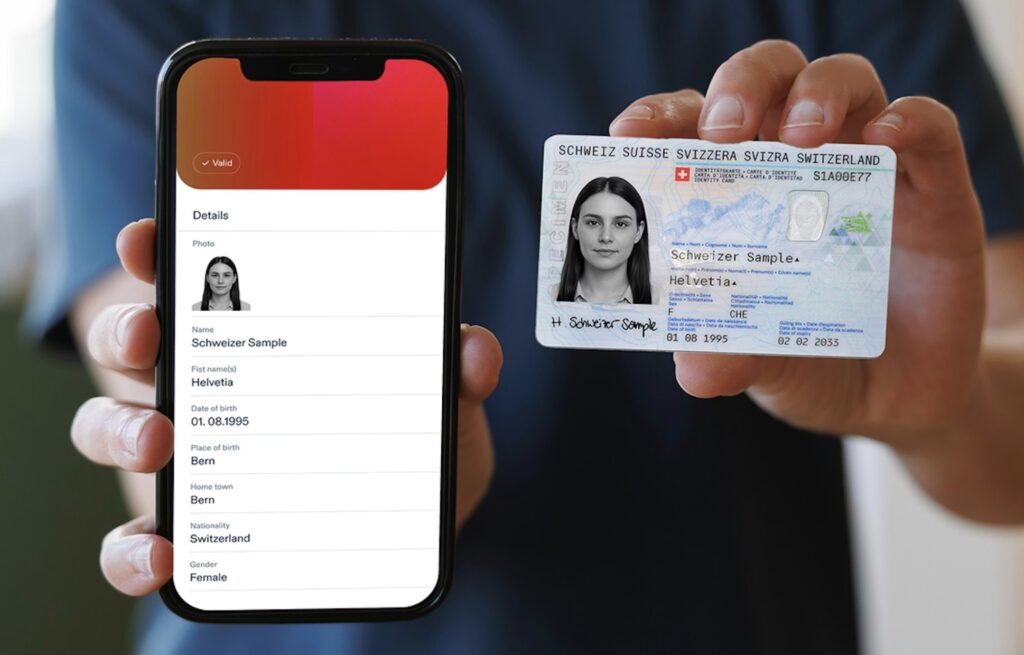
Switzerland’s Federal Office of Justice (FOJ) is seeking a new head of its electronic identity (e-ID) program as the country prepares to launch its digital trust infrastructure separately from the delayed national e-ID.
Current e-ID chief Urs Paul Holenstein is retiring next year, with his successor expected to take over on July 1, 2027, according to Inside IT.
The government expects the trust infrastructure to become operational in the first half of 2027. The national e-ID still has no confirmed launch date.
The incoming chief will lead a 12-person unit responsible for operating and developing the trust infrastructure. According to the job posting, the position also involves developing legislation and implementing regulations, managing resources, and coordinating requirements from government, businesses and civil society.
The FOJ says the planned leadership transition will not disrupt the project or its existing team, with Holenstein expected to help prepare his successor for the role.
In September, the government renamed its Public Beta environment to swiyu Sandbox and introduced a dedicated Sandbox Wallet. The environment allows organizations to test digital credential issuance and verification separately from the future production system.
The infrastructure is designed to support the issuance and verification of digital credentials, including the national e-ID. It can also support other electronic documents, such as digital driving licenses.
Switzerland postponed the e-ID launch earlier this year after authorities identified additional security requirements for online identity issuance amid advances in artificial intelligence.
The planned application process requires users to scan an identity document and record a short facial video through the swiyu Wallet. The government aims to improve deepfake detection and strengthen protections against malicious software interfering with the issuance process.
Related Posts
-
 February 11, 2026
-
 January 7, 2026
-
 January 5, 2026
-
 July 2, 2026
-
 January 29, 2026
-
 July 1, 2026
Article Topics
biometrics | digital ID | e-ID | Switzerland

Comments