
W3C’s Verifiable Credential Barcodes add real-time revocation for physical IDs
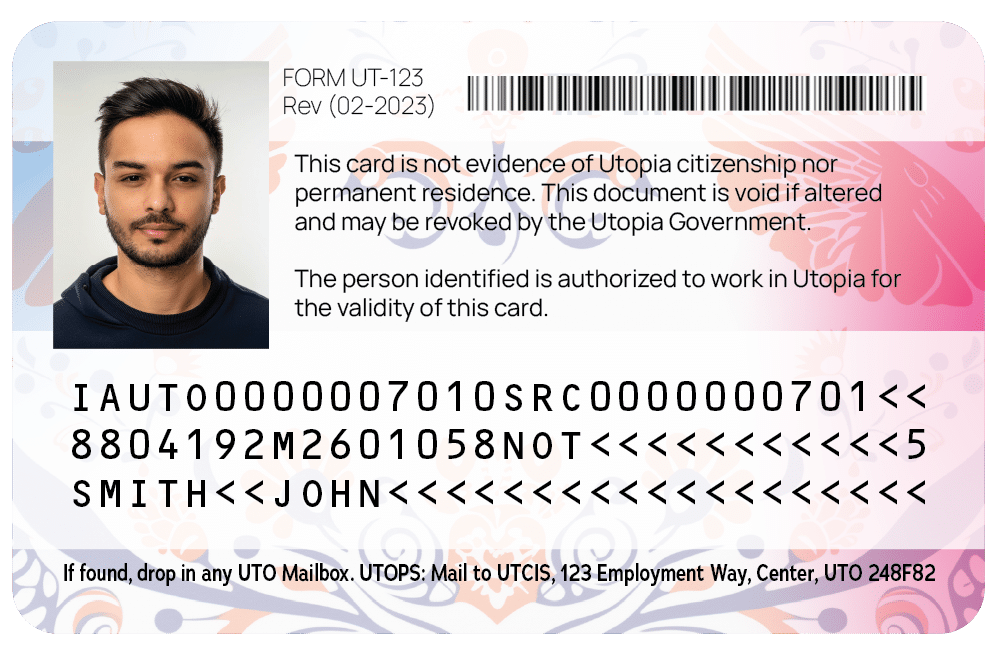
Identity fraud is no longer a fringe problem. Massive data breaches continue to demonstrate how identities and credentials are vulnerable, and to demand a solution that offers genuine protection. In the words of the World Wide Web Consortium (W3C), “the future of physical document security is being decided as we speak. Real-time revocation is needed to protect individuals against identity theft.”
W3C is proposing one answer: Verifiable Credential Barcodes.
A release from the consortium says that W3C Verifiable Credential Barcodes specification builds on the cryptographic credentials standardized in 2025 with W3C Verifiable Credentials Data Model v2.0, enabling digital credentials to secure physical documents like driver’s licenses. Crucially, it offers real-time revocation – which W3C says is now a necessity, given the changing nature of the digital credential ecosystem and the demand for effective protections against fraud.
“A stolen, high-resolution image of a barcode containing a valid digital signature will pass signature verification checks just like the original,” it says. Defense requires “a switch that an issuing organization can flip when a document has been compromised, that invalidates it instantly and causes all future verification attempts to fail.”
In a breach involving exposed identity documents, revocation could allow issuers to invalidate affected credentials for future verification, reducing their usefulness for subsequent fraud.
Real-time revocation through Bitstring Status List
W3C says its Bitstring Status List, a global web standard, “serves as such a status mechanism, granting credential issuers fine-grained, real-time, and per-credential control.” It does so without server retrieval or “phoning home” to the issuing authority, thereby preserving user privacy. This, W3C says, and its design in tandem with Verifiable Credential Barcodes, makes it “perfectly suited for use cases requiring immediate, real-time revocation.”
Per the release, the W3C Verifiable Credential Barcodes technology is open, public, royalty-free, and fully available to “any credential-issuing organization looking to protect its users against identity fraud.” The organization says it has been tested with “rigorous threat modeling,” and that it “inherits the strengths of the mature W3C Verifiable Credentials ecosystem, including the Bitstring Status List mechanism.”
Production testing has already commenced, with the California Department of Motor Vehicles issuing new driver’s licenses and identification cards with a W3C Verifiable Credential Barcode since late last year.
The organization says it wants to “make sure that government organizations and policymakers know that there is a free and open solution to this problem that is being designed for the public good.”
Related Posts
-
 December 5, 2025
-
 June 24, 2026
-
 November 7, 2025
-
 December 23, 2025
-
 August 21, 2026
-
 September 7, 2026
Article Topics
fraud prevention | Verifiable Credential Barcodes | verifiable credentials | W3C

Comments