
Malaysia strengthens trust in MyDigital ID as adoption expands
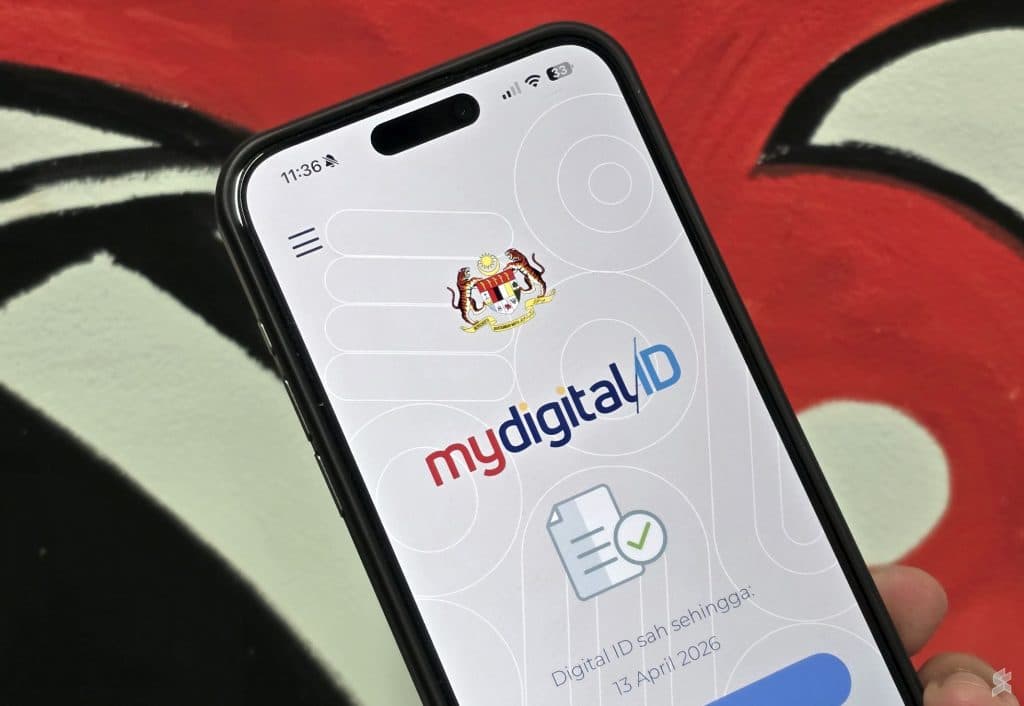
Malaysia is stepping up efforts to strengthen trust in MyDigital ID through security as adoption grows.
National Cyber Security Agency (NACSA) Chief Executive Dr. Megat Zuhairy Megat Tajuddin said trusted digital identity systems are critical to protecting Malaysia’s cyber sovereignty and resilience against large-scale digital threats. He stressed that digital and physical authentication ecosystems must work together to safeguard the country’s digital infrastructure, speaking at the rawSEC MiniCon 2026 cybersecurity conference in Kuala Lumpur (via The Star).
The push comes amid rapid expansion with MyDigital ID as a key plank of Malaysia’s digital transformation strategy. The government-backed national digital ID platform has surpassed 14.1 million users and is now integrated with 204 applications and websites.
MyDigital ID Deputy Chief Executive Azrin Aris said the platform is built around a single source of truth model, verifying identities directly against records held by the National Registration Department. Enrollment uses face biometrics and liveness detection to confirm the presence of a real person, while encrypted digital identity certificates replace traditional credentials that can be stolen or reused.
As AI makes identity fraud more convincing through deepfakes and voice cloning, Azrin said MyDigital ID is continuously testing its biometric liveness detection systems against emerging attack methods. The platform also adopts a zero-trust approach, requiring real-time validation whenever digital identity certificates are used and checking device integrity to detect compromised devices.
MyDigital ID does not assume that “something verified once stays trustworthy indefinitely,” Azrin said, noting that revoked credentials can be immediately blocked from accessing connected services.
Malaysia is also encouraging broader cybersecurity collaboration to support trusted digital identity. Megat said successful implementation of the Malaysia Cyber Security Strategy 2025-2030 depends on comprehensive cooperation among government agencies, businesses and the public.
MyDigital ID is also preparing for future challenges, including software supply-chain attacks, post-quantum cryptography and the emergence of AI agents capable of conducting transactions on behalf of individuals. According to Azrin, maintaining trust will require continuous testing, strong governance and information sharing across the wider digital ecosystem.
Malaysian identity verification provider Innov8tif Solutions recently integrated MyDigital ID into its EMAS eKYC system.
Related Posts
-
 January 14, 2026
-
January 27, 2026
-
 July 22, 2026
-
 June 15, 2026
-
 June 25, 2026
-
December 15, 2025
Article Topics
cybersecurity | digital ID | digital public infrastructure | Malaysia | MyDigital ID

Comments