
Somalia puts Hubiye national ID verification platform into operation
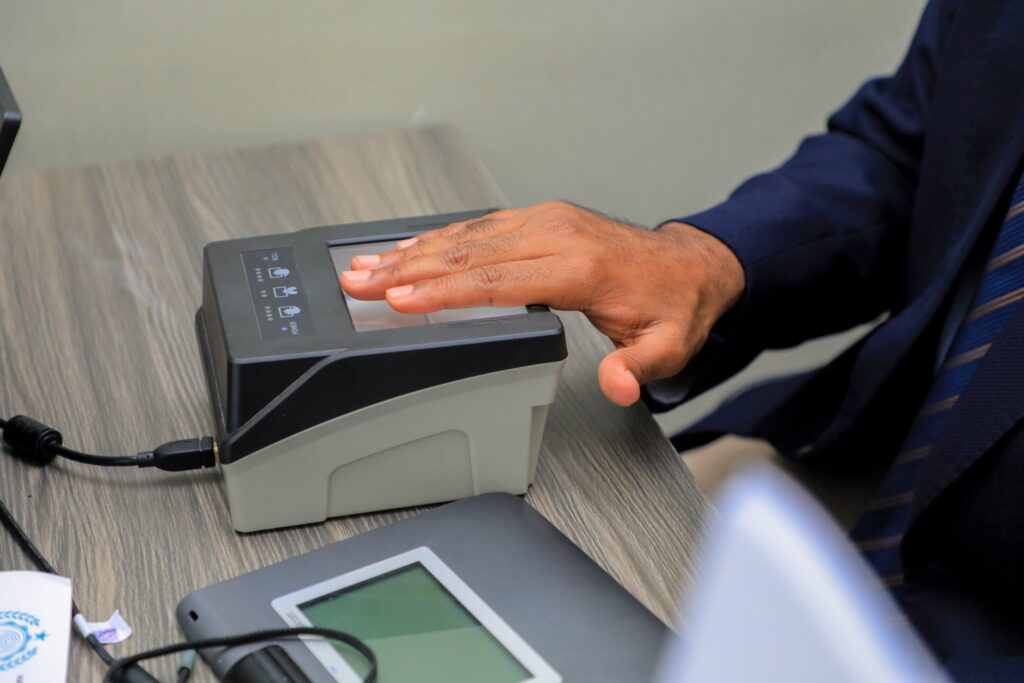
Somalia’s National Identification and Registration Authority (NIRA) has announced the implementation of Hubiye, its national ID verification platform, as the country expands the use of digital identity across banking and public services. The system enables participating institutions to check identity credentials against NIRA’s national database.
The ID authority announced the development towards the end of October in a post on its Facebook page, stating: “NIRA has implemented the Hubiye system which facilitates the verification of the authenticity of identity credentials by service providers while also enforcing legal procedures to safeguard the security of citizens’ data.”
Hubiye is one of three foundational digital public infrastructure systems launched by NIRA in May last year, alongside the Certificate Delivery System (CDS) and the eAqoonsi app. The latter provides citizens with a digital version of their national ID, which authorities are encouraging them to use to access services.
The operationalization of Hubiye comes as Somalia moves from building a national ID database towards making the national ID a functional layer of its digital public infrastructure. A service provider initiates verification by submitting an applicant’s national ID number to Hubiye. The system sends a one-time password by SMS or email to the ID holder, who supplies it to the provider to authorize verification against NIRA’s database.
In April last year, the Somali government directed public-facing service providers to integrate with Hubiye to facilitate identity verification and access to services. While integration with the platform is initially free, NIRA says certain service providers may eventually pay for access.
UNDP reported in May 2026 that Hubiye supported real-time identity verification across 25 integrated services, including commercial banking, with the system serving approximately 1.2 million citizens.
Hubiye’s implementation also supports Somalia’s broader digital government plans, including Halmeel, a unified public service delivery platform established by a Cabinet resolution in April.
In an interview with Biometric Update last month, Halmeel Director General Mohamed Dubo said the platform is expected to launch by the end of March 2027, with plans to initially integrate about 70 government services.
He noted that the platform depends on NIRA, as the national ID is the only accepted identification credential at Halmeel’s physical service centres. NIRA is a principal partner in the initiative, and the two institutions are working to integrate their systems.
These developments are part of the Somali government’s ongoing efforts to consolidate its digital public infrastructure and advance digital transformation, with the national ID serving as the foundation for the wider service-delivery ecosystem.
NIRA has set a target of enrolling at least 15 million people in its national ID system by 2029, as authorities seek to expand its use across public and private sector services.
Related Posts
-
 October 19, 2026
-
 October 12, 2026
-
 January 12, 2026
-
 January 7, 2026
-
 December 17, 2025
-
 August 5, 2026
Article Topics
digital public infrastructure | Hubiye | national ID | NIRA Somalia | Somalia

Comments