
Rank One Computing facial recognition reaches 4 West Virginia school boards
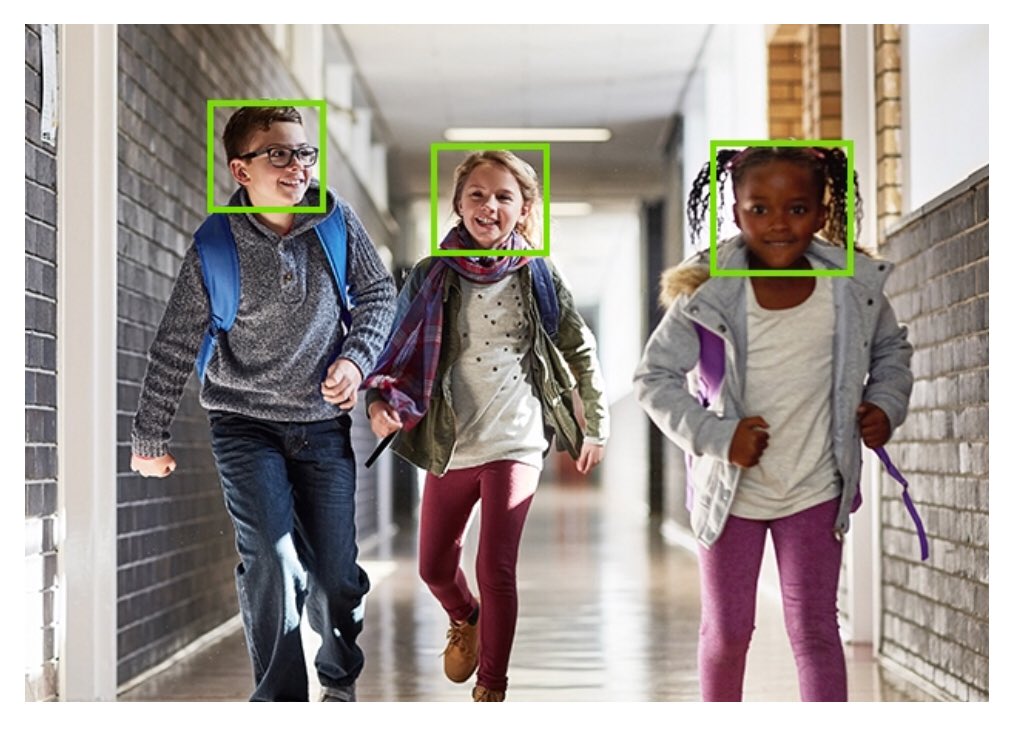
Four counties in the U.S. state of West Virginia announced plans to introduce facial recognition technology from Rank One Computing (ROC) into their school security systems.
The system will allow counties to create their own databases of individuals. All facial data is stored locally on school servers, director of preK-12 academic support for the West Virginia Department of Education Jonah Adkins told West Virginia Public Broadcasting this week.
“It provides schools with an additional layer of security. They can enter the faces of their staff and students and well-known visitors,” says Adkins. “It sends administrators alerts if an unwanted person were to approach the door or anywhere on campus.”
The counties that have installed or are installing the systems are Marion, Taylor, Doddridge and Putnam. There are 55 counties in the state.
ROC has been conducting a facial recognition pilot at West Fairmont Middle School in West Virginia. A report from March states that the company’s technology will be implemented in 19 other schools across Marion county.
Facial recognition deployment has been on the rise in the U.S. despite pushback from parents and rights organizations. In many cases, the introduction of biometrics has been boosted by fears of school shootings, a problem that has spurred increased investment into security not only in the U.S. but also countries like Brazil.
Another leading facial recognition developer serving the American school market, Oosto, recently joined the ZeroNow alliance, which seeks to put an end to school shootings.
“More and more schools are turning to facial recognition to better protect their students and staff by identifying persons of interest in real-time – enabling schools to quickly respond to potential threats and prevent incidents before they occur,” says Oosto Chief Marketing Officer Dean Nicolls. “Being part of the ZeroNow alliance will allow us to collaborate with peers in industry and education who are similarly dedicated to protecting schools.”
In March, another advocacy group, the Partner Alliance for Safer Schools (PASS) updated its guide on using biometrics in K-12 schools, proposing that biometrics be governed by a district-level policy and that parents be offered opt-out procedures. The guide also recommends that facial recognition be used only to identify individuals entering school property.
On the other side of the Atlantic, however, facial recognition deployment in schools may be facing a more powerful impediment: The General Data Protection Regulation (GDPR). In February, the UK data protection authority said that the use of facial recognition for lunch payments in nine schools of North Ayrshire country is likely against UK GDPR data protection laws.
Article Topics
biometric identification | biometrics | children | facial recognition | ROC | school security | schools

Comments