
Uganda MPs want clarity on biometric voting system as EC asks for more funds
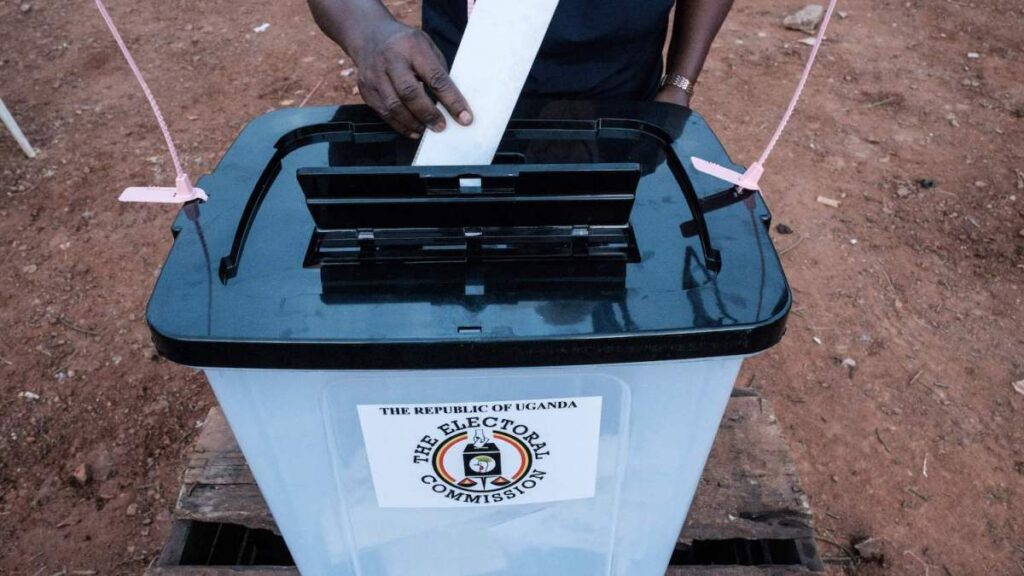
Uganda’s Electoral Commission (EC) has promised to conduct a live demo of how newly acquired biometric kits will be used before they are deployed to the field for the 2026 general elections.
This comes as Members of Parliament (MPs) have been pressing for clarity on how these machines will function. They have also been keen to get assurances about their reliability, and justification for the huge supplementary budget the election management body is asking from the government.
MPs want the demo before they can determine whether or not to grant approval for the additional funding request submitted by the EC.
Parliament Watch reported on a recent heated exchange in parliament during which lawmakers asked a barrage a questions regarding the role of the system in ensuring a trustworthy electoral process.
Among other things, the MPs expressed concerns about the functionality the machines at polling stations, their reliability especially when deployed in rural areas with poor electricity and internet connectivity, and how the EC will prevent manipulation or malfunction of the kits.
The lawmakers are also concerned about the transparency of the procurement process and whether the additional budget requested is not a subtle way of pillaging public money. Local firm Simi Valley Technologies is supplying the biometric kits, with 60,000 of them already in the country, out of a total of 109,142. PML Daily reported that the remaining 49,142 kits were expected to have been delivered by the end of last month.
About the additional budget, the EC is asking for 496.5 billion Uganda shilling (US$140 million) in supplementary cash for the conduct of the upcoming elections. Per the election management body, UGX268.3 billion (US$75 million) will be dedicated to the purchase of biometric verification kits, while UGX19.6 billion (US$5 million) will acquire a de-duplication system.
Training is also a major preoccupation for the lawmakers who are asking if EC staff and all others expected to use the machines will be adequately trained in order to be up to the task. The lawmakers themselves say they want to get the training in order to have a better understanding of how the biometric system will operate.
“We hear these machines may be used mandatorily. Government must be clear. Are these kits going to be mandatory? We need a yes or no. Yesterday, we were shocked that even the minister didn’t know how these things work. He was asking the same questions in the committee,” opposition lawmaker, Ibrahim Ssemujju, is quoted as asking.
Push for regulatory framework
Meanwhile, as MPs seek a full understanding of the operational realities of the biometric system, they have also tasked the Minister of Justice and Constitutional Affairs, Hon Nobert Mao, to present a regulatory framework that will guide the deployment of the system.
The call came during a plenary on December 2 when an opposition lawmaker asked why Mao had not fulfilled a commitment he took back in April to do some work regarding the regulatory framework, states a press release from the Ugandan parliament. Mao had said then that efforts were ongoing to introduce the necessary regulatory changes.
“We are left with only one month to elections and there are no regulations on the biometric system. What guidelines are you going to base the elections on?” opposition leader in parliament, Joel Ssenyonyi, is quoted as asking.
In response, the Attorney General, Hon Kiryowa Kiwanuka, assured that existing relevant laws will be used to guide the deployment of the biometric system, insisting there is no regulatory gap.
Uganda will hold a presidential election on January 15.
Related Posts
-
 September 4, 2025
 -
 April 10, 2025
 -
 February 24, 2025
 -
January 27, 2025
-
October 30, 2025
-
 January 29, 2025
Article Topics
biometrics | elections | Simi Valley Technologies | Uganda | voter registration

Comments