
Sri Lanka launches data-driven early warning system for conflict response
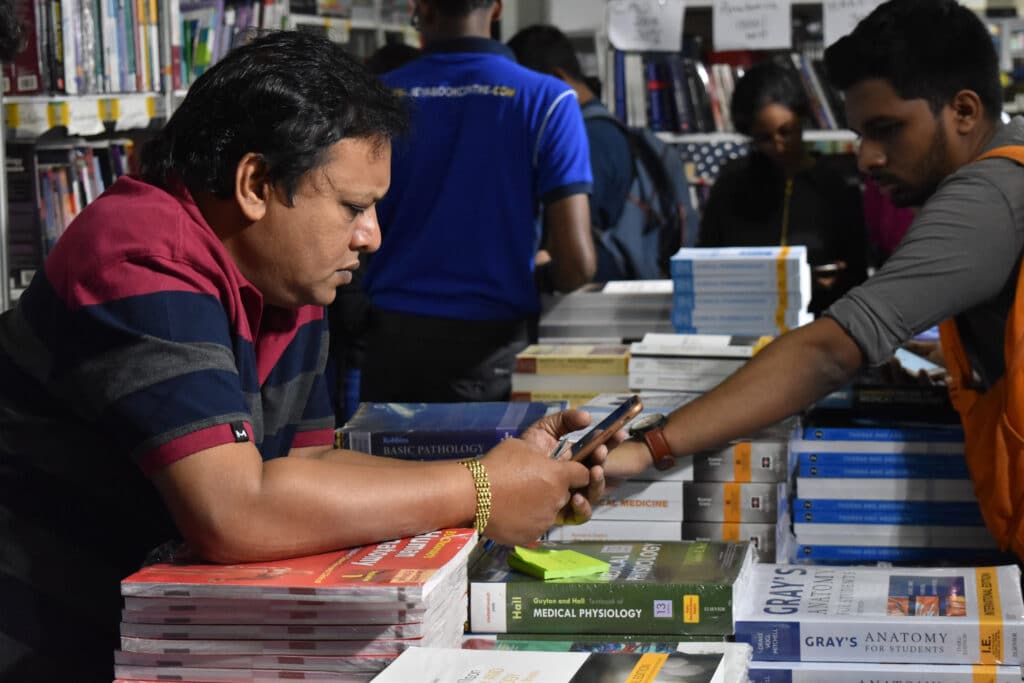
As part of a broader push to strengthen governance through digital infrastructure, Sri Lanka has launched a new Early Warning and Early Response (EWER) system designed to detect and address potential ethnic or religious tensions using real-time data analytics. The early warning system operates under the National Council for Disaster Management, supported by the National Emergency Operation Plan (NEOP).
The Ministry of Digital Economy has positioned the Sri Lanka Unique Digital Identity (SL-UDI) as a “cornerstone for inclusive governance,” aimed at expanding access to public services across regions, particularly in former conflict zones in the North and East. Digital ID is also framed as a tool to improve transparency by reducing corruption and administrative friction, while extending formal identity to historically underserved groups such as plantation workers and war widows. However, access gaps remain, highlighting the challenge of translating digital identity infrastructure into meaningful inclusion.
The system, introduced by the Office for National Unity and Reconciliation (ONUR) and the Ministry of Digital Economy, aims to identify risks early and coordinate responses across government agencies, community leaders and security services. Officials say the platform will support non-violent conflict resolution by enabling faster, more coordinated interventions. Deputy Minister of Digital Economy Eranga Weeraratne said the initiative aligns with the country’s National Digital Economy Strategy 2030, which prioritizes digitization of public services, payments and cybersecurity.
This is done by integrating socioeconomic data, which may be linked to digital identity, which can help in identifying early warnings of conflict situations, the Minister said. He also said that the digital ID will integrate community reporting, digital technology, and, with multi-stakeholder coordination, it will identify risks and prevent conflicts, or disaster impacts in the Island. The rollout also highlights how Sri Lanka is linking its reconciliation agenda to broader digital transformation efforts, including the development of a national digital identity system. Officials emphasize that the EWER system will operate with safeguards for data privacy and individual freedoms, in line with international standards, as the government seeks to balance security, governance and civil liberties.
The initiative reflects a broader trend toward using data-driven systems to manage social risk, raising questions about how such platforms are governed, how data is used and what oversight mechanisms are in place as digital infrastructure expands.
Related Posts
-
 August 29, 2025
 -
 March 25, 2026
 -
 November 10, 2025
 -
 February 17, 2026
 -
 March 20, 2026
 -
 September 17, 2025
Article Topics
digital government | digital ID infrastructure | digital identity | SL-UDI | Sri Lanka

Comments