
Indian tech firms shortlisted for Sri Lanka digital ID meeting with ICTA and DRP
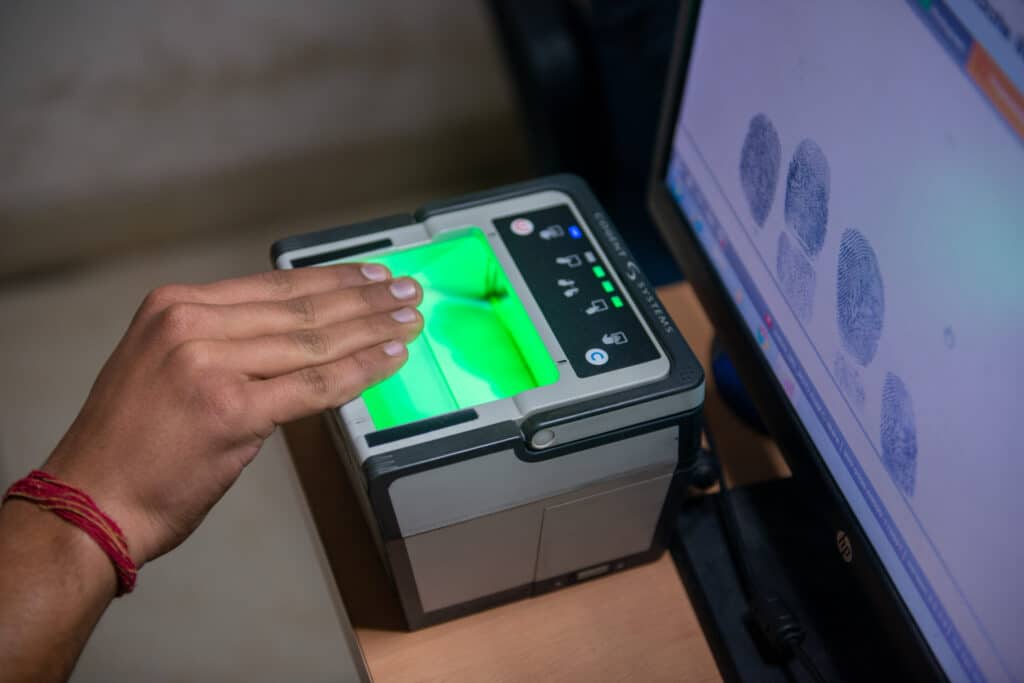
About a dozen Indian tech companies shortlisted for the Master Systems Integrator (MSI) role in Sri Lanka’s Unique Digital ID project will visit the country this week to meet in-person with representatives of the Information and Communication Technology Agency (ICTA) and Department for Registration of Persons (DRP), government officials say.
The integrators were at the pre-qualification virtual meeting last month, conducted by the National Institute for Smart Government (NISG) on behalf of Sri Lanka’s Ministry of Digital Economy.
The NISG is seeking bids from Indian companies to appoint an MSI for this initiative, to collect citizens’ demographic and biometric data, similar to India’s Aadhaar system. At least 40 Indian firms have applied for this.
The change from the traditional National Identity Card (NIC) to a digital identity is driven by the need for secure and scalable solutions, with the Modular Open-Source Identity Platform (MOSIP) chosen for its cost-effectiveness, security, and flexibility. “MOSIP was chosen over local and proprietary options due to its open-source nature, permitting customization and independent auditing, which certifies long-term sustainability and control over citizen data,” the official said.
Officials noted that at this pre-bid meeting, these companies clarified the components proposed for the Sri Lanka Unique Digital ID (SL-UDI) project and answered certain questions regarding the proposals.
These bidders had agreed to the components proposed for the project, meeting certain criteria, including being in the Leaders Quadrant of Gartner’s Magic Quadrant, Leaders Wave of Forrester Wave, or Leader in IDC Marketspace.
Professionals trained for ongoing management will be available before the system goes live, officials said. Key controls include data capture by the DRP and a comprehensive security audit before activation.
Concerns about the role of the Indian system integrator in the project were raised by a DRP official in conversation with Biometric Update earlier this month. The program is also facing two court petitions alleging fundamental rights violations.
These legal and procedural complaints are predictable, according to digital identity and DPI consultant Ott Sarv says in a LinkedIn post. Sarv warns that “when digital identity is pushed without legal sequencing,” countries are bound to face “legal petitions, sovereignty disputes, altered processes, duplicated roles, technology that does not fit today’s governance model, and citizens left uncertain about who really controls their data.”
Related Posts
-
 February 19, 2025
 -
 August 29, 2025
 -
 August 1, 2025
 -
 January 6, 2025
 -
 January 16, 2025
 -
 February 6, 2025
Article Topics
digital ID | digital identity | India | MOSIP (Modular Open Source Identity Platform) | procurement | SL-UDI | Sri Lanka

Comments