
NEC develops automatic optimization technology for deep learning
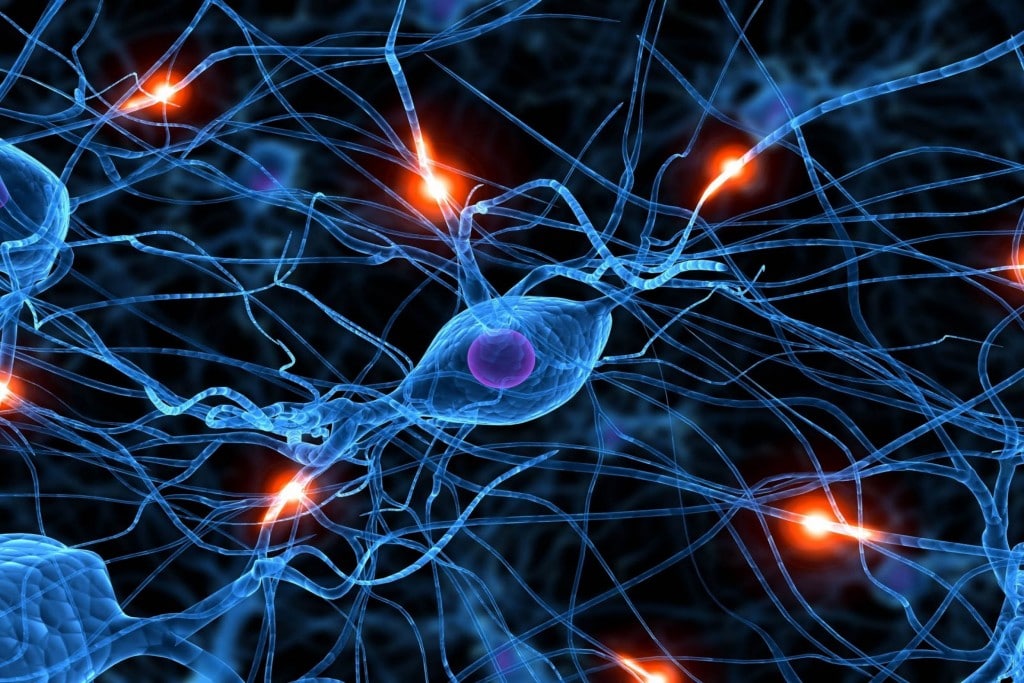
In an effort to facilitate improvements in recognition accuracy, NEC has developed automatic optimization technology for deep learning.
In a statement, the company explains that if deep learning systems become excessively familiar with data, they become unable to accurately recognize data that they have not learned. This “overtraining” results in degradation of recognition accuracy when dealing with data that was not used in the learning process. To prevent overtraining, “regularization” technology is commonly used, which regulates the extent of learning to prevent it from reaching an excessive degree.
“This technology predicts the progress of learning at every layer based on the structure of an artificial neural network, and enables regularization to be automatically configured accordingly,” said Akio Yamada, General Manager of NEC’s Data Science Research Laboratories. “This means that learning is optimized across the entire network, making it possible to improve recognition accuracy, such as reducing recognition errors by around 20% when compared to conventional systems.”
“This technology is expected to improve recognition accuracy for image and speech recognition, and a whole host of other fields in which deep learning is used,” continues Yamada. “It will be able to improve the accuracy of facial recognition and behavior analysis for purposes that include video surveillance, for instance, or to increase the efficiency of inspections of infrastructure, or enable the automatic detection of system failures, accidents or disasters.”
Article Topics
deep learning | image recognition | NEC | neural networks | speech recognition

Comments