
US Army plans biometric authentication via wearables for operational systems in the field
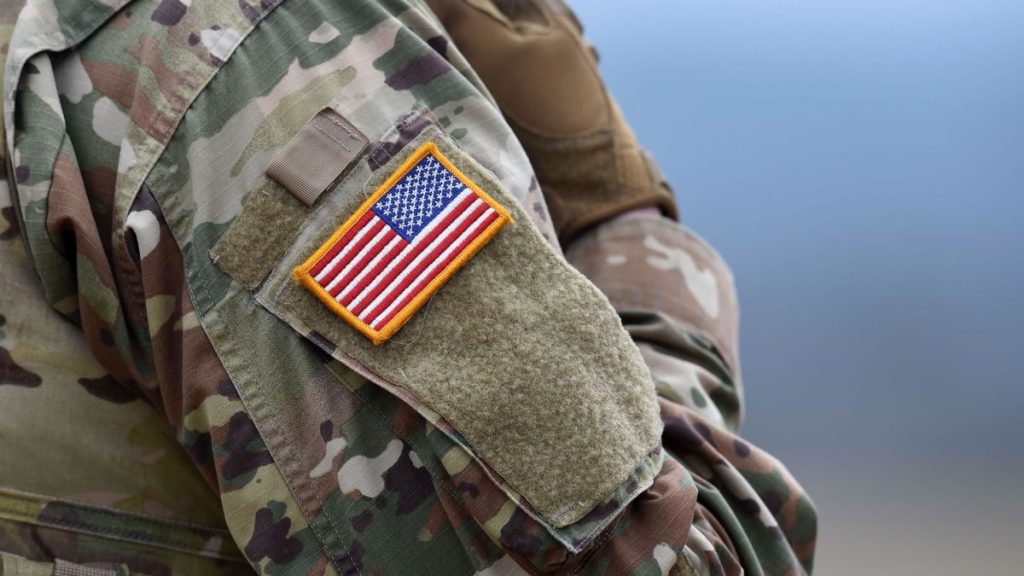
As the U.S. Army plans to increase its use of wearables and other technologies, their biometric authentication capabilities could solve operational and cybersecurity challenges, DefenseNews reports.
Network Cross-Functional Team Senior Science and Technology Advisor Donald Coulter said during a webinar hosted by C4ISRNET that advancing government wearable technology for user authentication is among the team’s priorities for next year.
Operational challenges can be posed by using passwords for systems that may have tiny keyboards and be used by people wearing tactical gloves. Common Access Cards and physical tokens are sometimes used for authentication, in addition to passwords. Coulter also said that these latter methods may be broken, damaged or lost in an operational environment.
The Army is also developing a Bluetooth token associated with personnel’s biometrics to replace the CAC.
Wearables could be used for biometric authentication through the user’s heartrate, gait, or skin signatures, according to the article.
Authentication to the Army’s Integrated Visual Augmentation System (IVAS) will be one of the first use cases wearable-based biometric authentication will be tested with.
“Over the next year we’ll continue to see more and more technologies getting out of the S&T domain and getting into the [project managers] for final prototyping, experimentation, maturation and integration,” Coulter said, according to DefenseNews.
Wearable technology is mature, and biometric authentication through it is highly promising, particularly when the ability to apply artificial intelligence and machine learning to the authentication process is considered.
Article Topics
access management | authentication | biometric data | biometrics | cybersecurity | gait recognition | heartbeat biometrics | research and development | U.S. Army | wearables

Comments