
India helps Angola with DPI, digital ID as part of $200M credit line
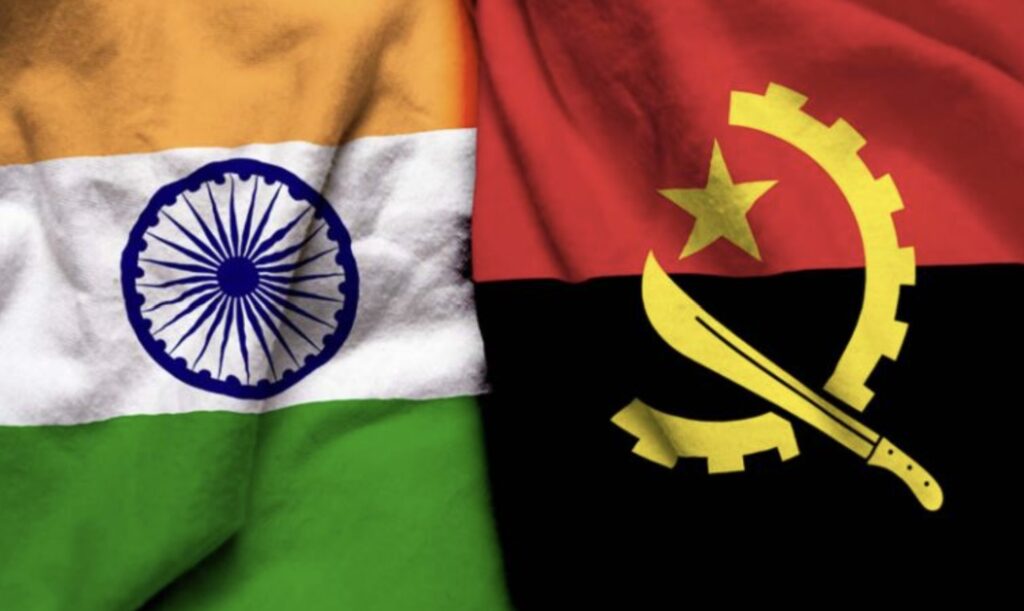
Angola is getting $200 million in credit from India as the African country looks to implement digital public infrastructure.
The partnership will see Angola adopting India’s model of DPI which will enable digital IDs, e-payments and social registries. The $200 million credit line includes cooperation in digital governance, space, defense and healthcare sectors, with provision for training in digital skills.
The announcement came after a meeting in New Delhi between Angolan president João Lourenço and Indian prime minister Narendra Modi. It was the first visit from an Angolan president in 38 years with Modi highlighting the 40th anniversary of diplomatic relations between the two countries.
Angola is one of the youngest independent countries in Africa, declaring independence from Portugal in 1975 following hundreds of years of colonial activity by the European nation. Modi referenced the shared anti-colonial heritage of the two countries, saying that when Angola was fighting for its freedom India “stood by it with unwavering faith and friendship.”
The $200 million line of credit emphasizes defence, with Angola seeking to modernize its military. Indian officials mentioned procurement of Indian defense equipment while Modia said his government would be glad to cooperate in the training of Angola’s armed forces. Indian expertise in DPI will also be shared as part of the agreement.
India is helping with DPI projects and initiatives around the world, cooperating with governments in its neighborhood, such as with Sri Lanka and Nepal, and is extending its ties with African countries, having established 17 new embassies across Africa over the past decade.
“Credit lines worth more than $12 billion have been allocated for Africa,” Modi said as part of the Angolan meeting, as reported by ThePrint. “We are collaborating with five African countries in the development of Digital Public Infrastructure.” The leader said his country and the African Union are “partners in progress” and that India is a pillar of the Global South.
India’s Modular Open Source Identity Platform (MOSIP) has been helping to build DPI in African countries such as Morocco, Ethiopia, Sierra Leone, Guinea, among others; while Indian experts have been collaborating with others, such as Rwanda, to develop digital payment systems inspired by its Unified Payments Interface (UPI).
Related Posts
-
 October 4, 2024
 -
 January 6, 2025
 -
 September 10, 2024
 -
 July 29, 2024
 -
 January 30, 2025
 -
 April 22, 2025
Article Topics
Africa | Angola | digital ID | digital public infrastructure | India | India Stack | investment

Comments