
Researcher bemoans shortfalls in Ethiopia’s child birth registration
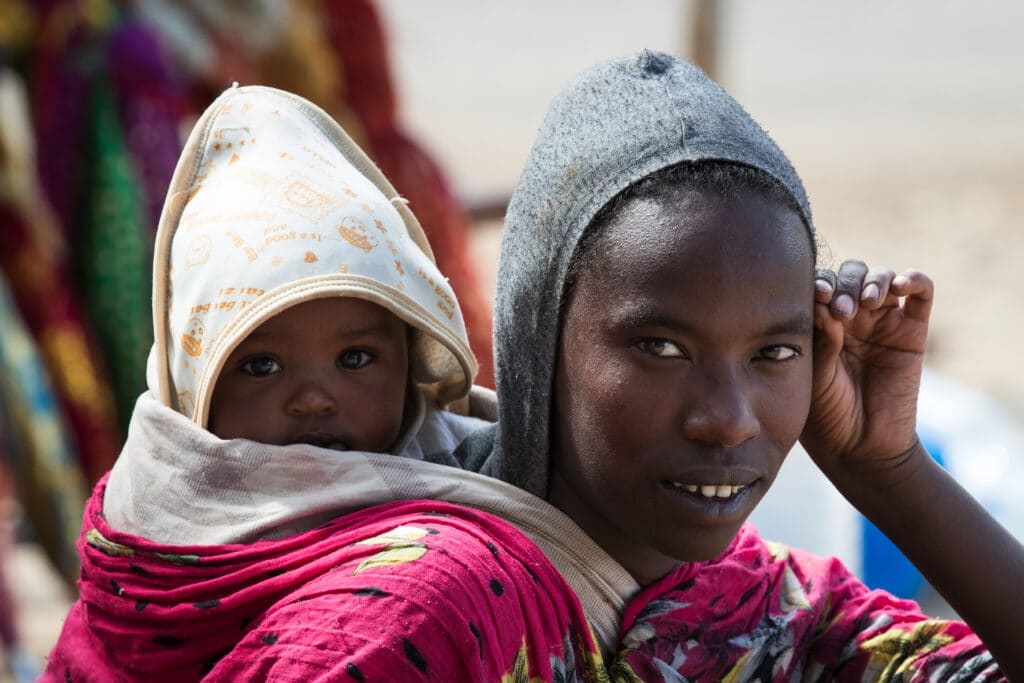
Researcher and social justice writer, Cassadee Yan, has reflected about the lingering problems plaguing child birth registration in Ethiopia, noting that the figures remain low despite efforts to integrate technology into the system.
In an opinion piece, the write identified some systemic failures such as unreliable digital infrastructure, weak institutions as well as cultural barriers, which are responsible for the trend.
Birth registration in Ethiopia sits below 40 percent, and about two thirds of all children born in the country have not had their births registered. Ethiopia is in a region (East Africa) with the least birth registration rate in Sub-Saharan Africa, according to a UNICEF global birth registration report for 2024.
Yan noted that despite efforts to digitize birth registration in the country, the rate of birth registration remains uneven between urban and rural areas, especially in communities touched by conflict or forced displacements.
Apart from the breakdown of computer systems in some cases, the writer also deplores the infrastructure problems such as low connectivity and lack of electricity in rural areas which make digital registration impractical.
Beyond the unreliability or complete lack of infrastructure, institutional weakness factors such as underfunded, inadequately trained staff, or poor coordination have also been slowing down birth registration in the country, according to the writer.
A lack of understanding of the importance of birth registration as well as resource constraints are also cited as some of the other factors working against birth registration.
The low birth registration, according to the author, has profound consequences as many children in the country remain invisible, and as such, are locked out of important services which is a breach of their fundamental rights.
To improve the situation, the writer suggests that the Ethiopian government must take a number of proactive measures. Among other things, it calls for stronger political will and commitment, more administrative reforms, further integration of the civil registration system with healthcare services, and increased awareness campaigns to educate families on the importance of birth registration for children’s rights and access to services.
The Ethiopian government has been working with UNICEF over the years to drive birth registration. Last year, the UN Refugee Agency warned that the pace of birth registration for refugee children in the country was slow, posing severe risks of exclusion.
Ethiopia sees birth registration as a major driver of Fayda digital ID adoption and has a strategy in place to make progress on that.
Related Posts
-
 June 5, 2025
 -
 May 19, 2025
 -
 January 2, 2025
 -
 January 27, 2025
 -
 May 22, 2025
 -
 December 10, 2024
Article Topics
Africa | birth registration | civil registration | digital identity | Ethiopia | legal identity

Comments