
Veriff, Sumsub, Veridas warn of sophisticated fraud attacks
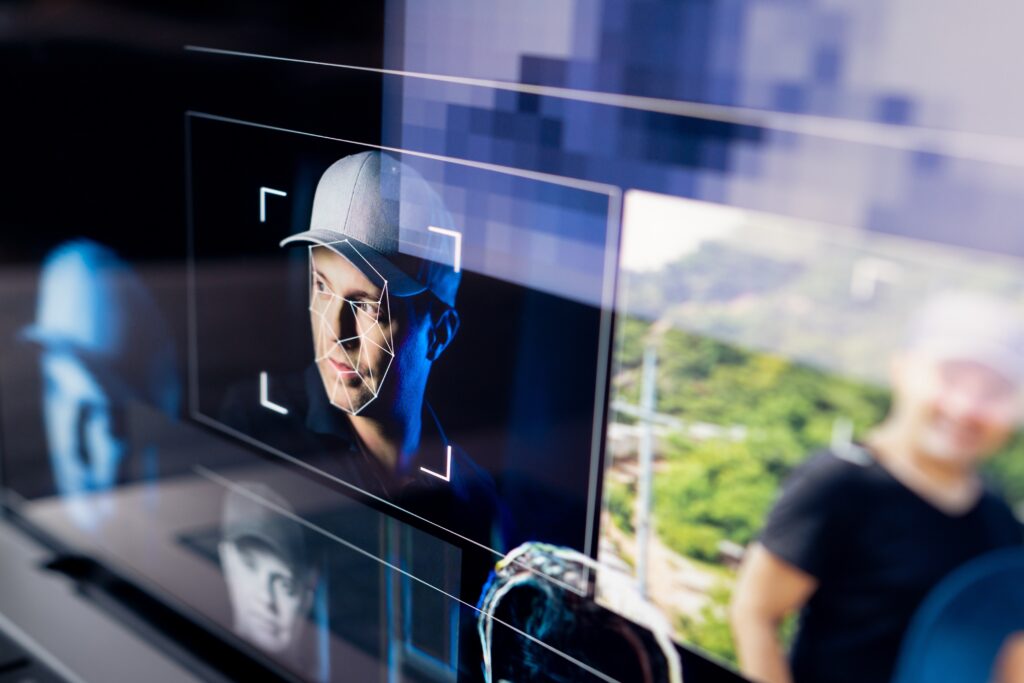
Digital identity fraud is witnessing dramatic changes, with AI driving fewer but far more damaging attacks, according to new research. The latest report from Veriff makes a clear case for businesses to invest in AI, biometrics and identity verification to stay ahead of these sophisticated fraud attacks.
The UK Fraud Industry Pulse Survey 2025 is drawn from insights provided by fraud decision-makers with large organizations based in the UK, but makes clear that the main trend they are seeing is playing out all across the world.
The same trend is also identified in new fraud reports from Sumsub and Veridas.
The Sumsub Identity Fraud Report 2025–2026 warns of a “Sophistication Shift” as fraud moves from high-volume noise to sharper, targeted operations that carry greater costs and longer-term impact.
While overall fraud percentages appear stable, Sumsub cautions this creates a false sense of security. Compared with 2024, the report observes a 180 percent increase in sophisticated fraud. Veridas echoes this as it warns of the rise in AI-driven “precision fraud.”
Veridas’ report highlights how traditional biometric presentation attacks — such as printed photos, masks, or replayed videos — have evolved into injection attacks, where synthetic data is inserted directly into verification systems. Its internal analysis found signs of such activity in 1.4 percent of verification processes at one major client.
Veridas stresses that while new methods are emerging, older tactics remain, now scaled by AI into industrialized campaigns. “Identity fraud didn’t start with AI,” the report notes. “It simply found its fastest engine.”
Veriff adds further evidence of the trend, reporting that 61.5 percent of UK fraud professionals have seen increased use of AI in online fraud over the past year. This is consistent with global findings in the U.S. (60.5 percent) and Brazil (69 percent).
However, there is evidence of effective fight-back. Stronger verification platforms have rendered low-effort scams largely ineffective, forcing criminals to pivot to sharper operations.
UK decision-makers are embracing stronger defenses: 80.5 percent have already adopted identity verification (IDV) and biometrics, with nearly 79 percent planning to expand their use over the next year. Respondents to Veriff’s study cited diverse applications, from identifying fraud patterns to automating verification and accelerating detection of sophisticated attempts.
However, Veriff believes the UK has room to catch up. Respondents reveal a wide range of applications: 44.5 percent point to identifying fraud patterns and risk factors, 38.5 percent to automating customer verification, and 36.5 percent to accelerating the detection of sophisticated attacks. Another 30.5 percent cite analyzing customer behavior over time, while nearly a quarter (23.5 percent) selected “all of the above.”
The findings show the diverse strategies being deployed in the UK to strengthen defenses. Yet in the U.S., a larger share of respondents — 41.5 percent — opted for the comprehensive “all of the above” approach, suggesting that UK organizations have scope to expand their use of AI in the fight against fraud.
Fraud grows more precise as Agentic AI waits in the wings
AI-driven identity fraud is entering a new phase of scale and precision. Cutting-edge image-generation tools can replicate official documents with near-perfect accuracy, reproducing fonts, holograms, and textures once reserved for expert counterfeiters. Attempts by Big Tech to curb misuse — such as embedding watermarks in AI-generated content — have proven ineffective, as these markers can be stripped or repurposed by fraudsters.
Meanwhile, synthetic video platforms like Google’s Veo and OpenAI’s Sora are capable of rendering dynamic scenes with lifelike facial expressions and depth, enabling attackers to stage convincing deepfake liveness checks that compromise visual verification systems.
This technological arms race, dubbed the “Sophistication Shift” by Sumsub, has been accelerated by competition among AI giants to release ever more realistic tools. Fraud-as-a-service providers are now packaging these models into turnkey kits. As a result, AI has shifted from being an assistive tool to becoming the engine of industrialized fraud, driving attacks that are both more numerous and harder to detect.
In this context, deepfake protection with technologies including injection attack detection (IAD) is increasingly important. The 2025 Deepfake Detection Market Report and Buyers Guide from Biometric Update and Goode Intelligence forecasts just over 3 billion deepfake detection checks of various kinds this year, rising to almost 10 billion within three years.
Sumsub’s report cautions that the combination of advanced generative AI, weak safeguards, and the commercialization of fraud tools is fueling a surge in identity attacks that are more convincing and more damaging. It also highlights the emergence in 2025 of AI fraud agents — autonomous systems capable of generating content, scripting and mimicking human behavior to carry out full verification attempts end-to-end.
What began as experimental probes this year is expected to evolve into a major wave in 2026, as these self-operating bots learn to adjust their strategies in real time.
The consensus across Sumsub, Veridas and Veriff suggests fraud is evolving into fewer but more professionalized operations, fueled by AI’s ability to automate and scale. The next frontier of prevention, Sumsub argues, will belong to those who can unify human insight, data intelligence, and AI precision to build trust at scale.
Veriff’s UK Fraud Industry Pulse Survey 2025 has key insights, from companies including Webull and JTI Philippines, and reveals how values and efforts to fight fraud are cohering.
Veridas’ Identity Fraud Report 2025: The Hidden AI Fraud Pandemic contains regional overviews as well as a sharp sectoral look at fraud. This breakdown zooms into vulnerable sectors such as banking, telco, fintech, mobility, iGaming, crypto, public sector, ecommerce, healthcare, among others.
Sumsub’s Identity Fraud Report 2025-2026 highlights where in the world has seen the largest growth in deepfake attacks, with a whopping 2,100 percent year-over-year increase (clue: it’s an island country in the Indian Ocean), and the country that has experienced the highest YoY growth in fraud rate, with 197 percent (clue: it’s a country in Southeast Asia). At over 303 pages, it’s a comprehensive and detailed look at how fraud has evolved and looks to where it is heading, with guidance on how to ward off the next wave.
Elsewhere, experts have recommended behavioral biometrics, ML models and data science to tackle AI-powered financial crime as it becomes industrialized and bad actors demonstrate a dynamism in their criminal efforts. The 2025 Digital Identity Verification Market Report and Buyers Guide from Biometric Update and Goode Intelligence details important trends, technologies, and considerations for organizations considering digital identity verification solutions.
Related Posts
-
 June 18, 2025
 -
 December 2, 2024
 -
 December 2, 2024
 -
 March 19, 2025
 -
 July 10, 2025
 -
 July 17, 2025
Article Topics
AI agents | deepfake detection | digital identity | fraud prevention | injection attack detection | market report | Sumsub | Veridas | Veriff

Comments