
TSA administrator makes an abbreviated case for more money for biometrics
‘Tis the season for U.S. federal bureaucrats to extoll recent accomplishments and ask Congress on bended knee for only enough funding to keep their success going.
Biometrics is just one of many areas of investment for the Transportation Security Administration given that the agency is asking for a fiscal year 2023 (which begins October 1, 2022) allotment of $9.7 billion, and the total budget proposal is $5.8 trillion.
Further analysis of the budget proposal for TSA biometric systems is needed to determine how much is being invested in them, but one figure is known now, and it deals with a topic that should demand more attention. For fiscal 2023, the White House is asking Congress for $23.5 million to improve TSA networks and protect its data, including systems capable of early detection of attacks.
As it happens, the biggest focus for the TSA, which is an agency within the Homeland Security Department, is on its workforce. Like many employers it is having trouble recruiting and retaining talented employees.
Here are some relevant bragging points gleaned from the testimony May 18 of TSA Administrator David Pekoske before the House Appropriations Committee on Homeland Security.
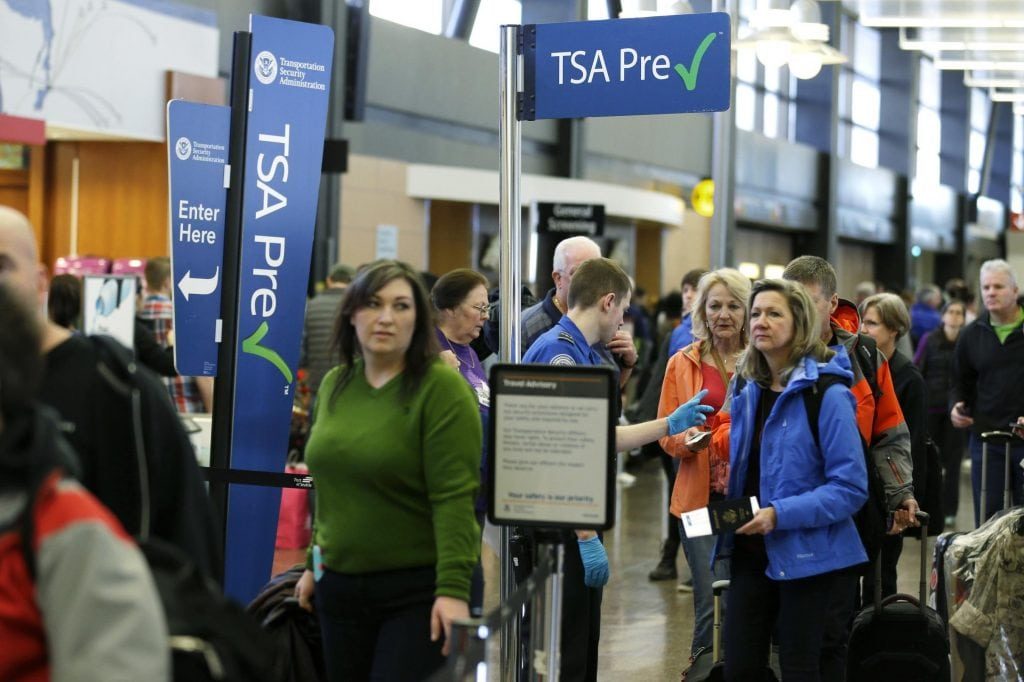
In fiscal 2021, the last completed period, the TSA expanded digital ID technologies, including running tests on a contactless identity verification system for PreCheck, the biometric expedited airport check-in program. With 1.8 million new members signing up, the agency now holds biometric records for 27 million people with Known Traveler Numbers.
Pekoske spearheaded the publication of the TSA Identity Roadmap, which sets out an end-to-end strategy and shows the agency’s increasing focus on facial recognition.
Officials also worked with Apple and other technology vendors on how to integrate a reliable, transferrable mobile driving license into security checkpoint operations.
Pekoske said that the TSA also deployed an added 1,520 Credential Authentication Technology units, the new version of which are supplied by Idemia and include cameras for biometric matching.
Article Topics
airport biometrics | biometrics | DHS | digital ID | identity verification | TSA | U.S. Government

Comments