
Entrenched positions on biometric surveillance in NY schools aired
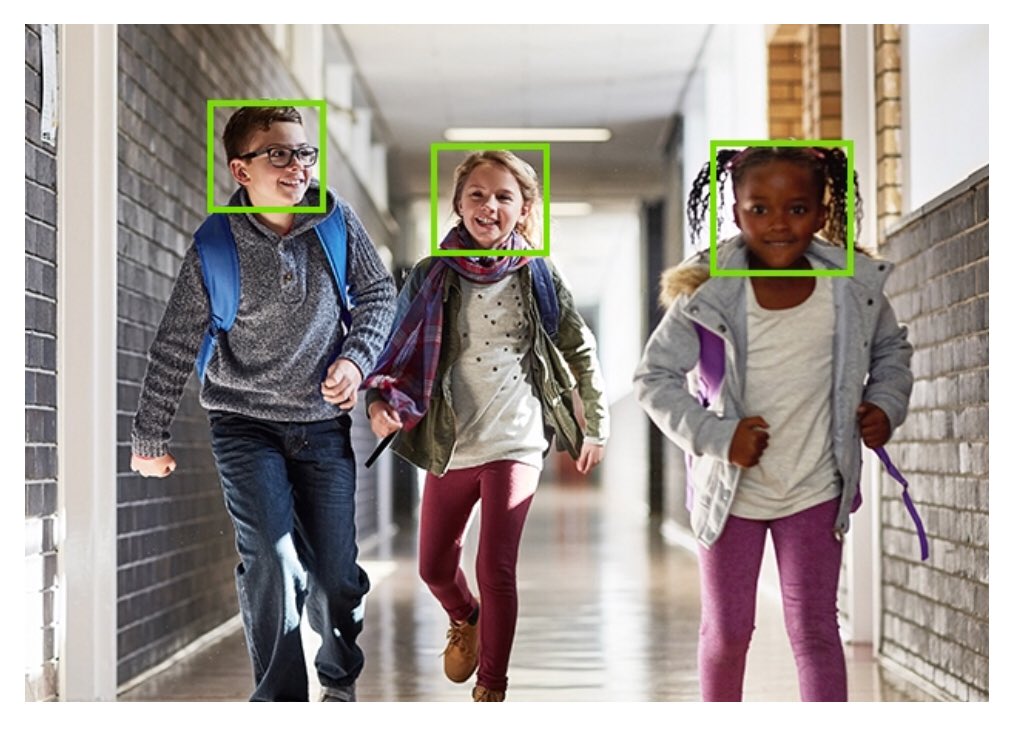
The U.S. state of New York’s IT services agency listened last week to testimony about putting biometric ID and surveillance systems in a school district near famed Niagara Falls. The feedback is supposed to inform a state-mandated report on the topic.
The Lockport City School District, which had deployed a 300-camera Aegis system in May 2019, had to stop using it in 2020. That was when state legislators imposed a moratorium on school use of biometric surveillance.
The state, reacting to a growing controversy about the systems’ use on campuses, said the moratorium would remain until the New York State Education Department studied how students, staff, faculty, administrators and visitors would be affected.
There is no deadline for a new vote.
Looking at the coverage of the hearing, nothing new was voiced.
A representative of the Security Industry Association and a counterpart from the human rights advocacy group the New York Civil Liberties Union (and other privacy rights organization) squared off.
The SIA’s Jake Parker was quoted in the local Lockport Journal saying digitally or otherwise, districts have to keep dangerous people out of schools, and biometric surveillance is the best option.
Parker’s viewpoint was backed by testimony from the chief privacy officer of the state’s IT services office, Michael Jones. Jones said some opponents of biometric surveillance mistakenly think the systems track people and objects, according to reporting by local television broadcaster WENY.
Juan Miguel, program associate of the NYCLU, said restarting surveillance in Lockport would make students “guinea pigs” in the early use of a technology that has a record of being expensive, inaccurate and invasive.
Lockport resident Jim Schultz said that school administrators would have to designate every possible dangerous subject for the software to be as effective as it can be, and that is an unrealistic expectation.
Schultz, who also is the founder and executive director of The Democracy Center, an international human rights organization, also said that false alarms received by the police would result in a full-scale armed response.
Article Topics
biometric identification | biometrics | cctv | children | schools | Security Industry Association (SIA) | video surveillance

Comments