
Kids are guinea pigs in schools’ biometric data privacy experiments
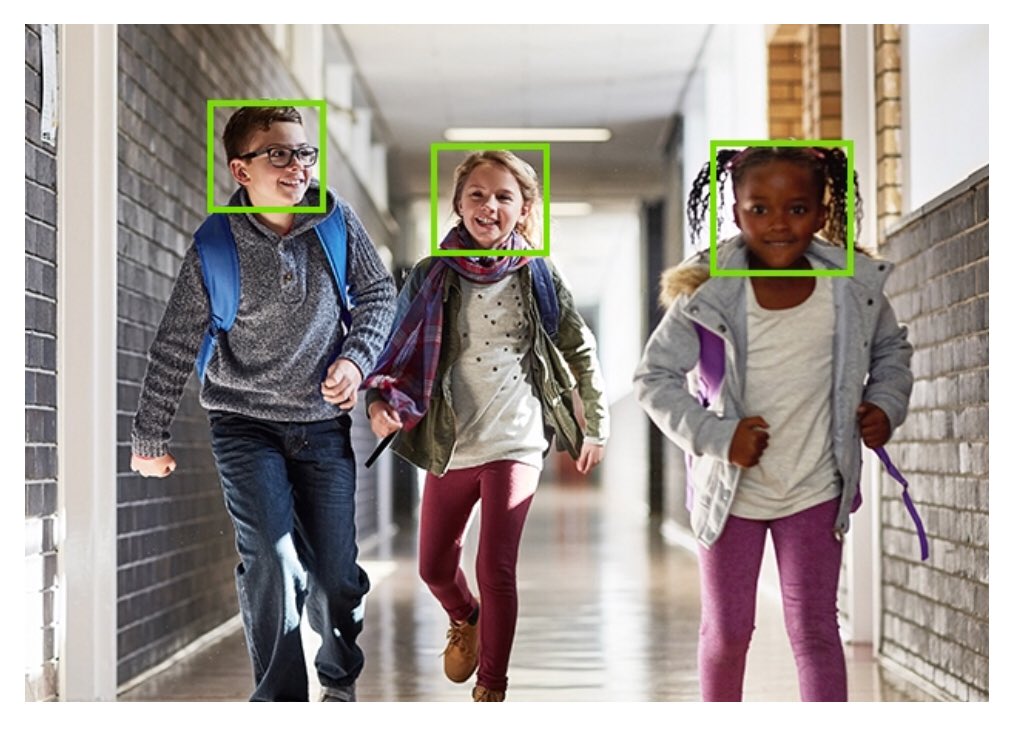
No global generation of kids, not the Xers, not even the Boomers will be as influential around the world as the biometrics babies will be.
Biometric babies are those whose physical existence have been scanned, analyzed, commercialized and stored. From in-utero ultrasound images to face and behavioral scans that will diagnose them as they shuffle along retirement facility halls, no generation of humans has been measured as minutely and continuously as this one is already.
And unlike certainly the boomers, who have thrust themselves into the center of every situation, trend and development, this new group are pretty passive at the moment. They are the object and algorithms are the subject.
For example, education trade publication EdSurge is reporting on a unique dilemma for administrators of primary and secondary schools.
They are proud of their charges, as they should be, but can they put photos online to show their pride without stealing their privacy? (The next question is, if kids’ faces are digitized and posted, are their faces being used in a way that benefits the organization at the expense of children’s privacy.)
Little two- or four-page photo-filled newsletters have been a staple of school communities for decades. But, generally speaking, less harm can come from a stranger seeing a newsletter – even one naming students — compared to the same content on a web site.
The potential for unilaterally publishing kids’ data is large, according to research published in November by scientists from the University of Tennessee, the Oxford Internet Institute, the University of Oregon, the University of Utah and the University of Tübingen in Germany.
The scientists looked at 18 million Facebook posts on U.S. school and school district accounts, and they found at about 4.9 million of them had identifiable images of students. About 726,000 of these included first and last names and general location.
The EdSurge article notes that companies selling predictive-policing services scour social media for data. Face-scraper Clearview AI harvests facial images from social media.
No one really knows what to do right now.
Meta’s global head of safety has issued a statement on a related topic – how social media’s algorithms can aggravate teens’ mental health. In the statement, Antigone Davis said the company has written 30 applications designed to help teens and families.
Spaghetti, meet wall.
No doubt a lot of that development is aimed at making sure social media is being delivered appropriately and consumed maturely. Some of it addresses age verification.
This generation of kids is largely unaware of the actions and campaigns and courtroom dramas all involving them and their biometric identifiers.
Article Topics
biometric identifiers | biometrics | children | data privacy | digital identity | social media | Utah

Comments