
World bank says Nigeria on track to meet digital ID registration target
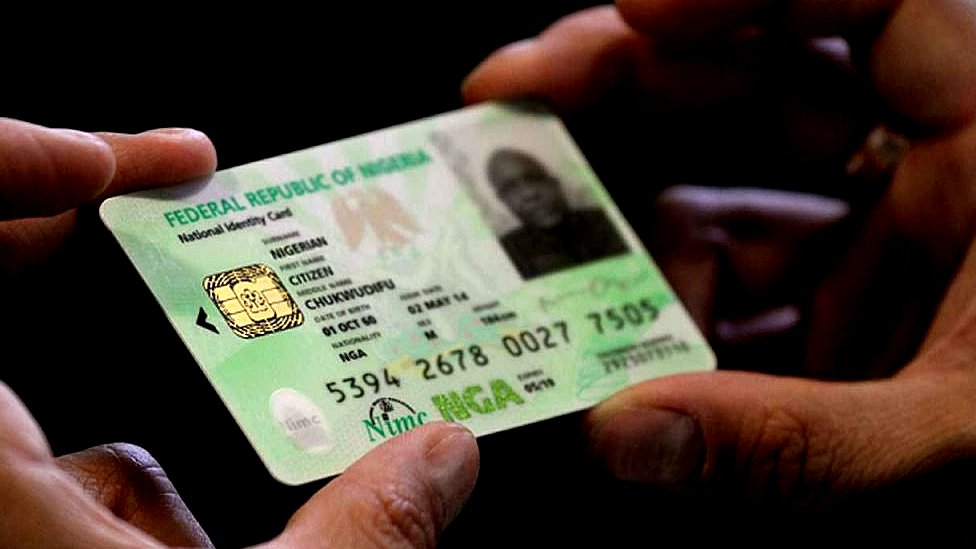
Nigeria is well on course to reach a target of issuing digital ID to 148 million citizens by June 30 this year, the World Bank has said in its 2023 annual report.
According to the 82-page report, released at the close of last month, Nigeria, through the efforts of the National Identity Management Commission (NIMC), under the Nigeria Digital Identity for Development (Nigeria ID4D) initiative, has issued 104.16 million national identification numbers (NINs), representing 70 percent of the 148 million target.
The report titled “Putting people at the center of DPI” beams a spotlight on the “significant progress” made by the Identification for Development (ID4D) and Digitalizing Government to Person Payments (G2Px) Initiatives, highlighting the “achievements, lessons learned, and the impact of these initiatives in promoting safer and more inclusive digital ID and government-to-person payments systems, with a focus on placing people at the forefront.”
Per the report, Nigeria’s success so far has been attained thanks to a number of innovative measures aimed at expediting the process for issuing the NIN. The upgrade, per the report, includes the enhancement of the android enrollment software which has significantly reduced the time needed for enrollment, the building of partnerships with civil society actors to encourage the enrollment of more women, and the introduction of child enrollment which began with successful pilots.
The novelties and progress notwithstanding, the World Bank contends that many challenges remain to be cleared in order to further smoothen the NIN issuance process and make it more all-encompassing and broad-based. One of the recommendations here is for the NIMC to further shorten the NIN issuance time by creating the possibility of real-time NIN generation, which would significantly cut wait time for NIN applicants.
Efforts to put in place safeguards to ensure data security and privacy are also recognized in the report.
Nigeria’s digital ID program is run with funding from the World Bank through the International Development Association, the European Investment Bank and the French Development Agency.
In a bid to provide stronger direction for the digital ID project, Nigeria’s federal government recently inaugurated a steering committee to ensure overall governance and coordination.
Licensed agents to have restricted access to NIMC database
Meanwhile, as part of efforts to guarantee the safety and security of personal data, and in response to a recently reported database breach incident, the NIMC has restricted access by third-party licensees to its digital ID repository.
In a statement issued March 28, the National Data Protection Commission (NDPC) said investigation into the data incident revealed that “a third party, who among others, was originally authorized to provide verification services to citizens and genuine businesses, might have allowed expressverify.com to use its NIN verification credentials to conduct verification.” Expressverify.com is the platform where some NIN data was reported to have been illegally obtained and put on sale.
“After a painstaking review, limited access has been granted to few establishments that are providing pivotal public services such as education and security. At the moment, data processing by licensees generally are to be scrutinized and only those that are cleared based on credible evidence of regulatory compliance will be permitted to carry out NIN verification going forward,” reads a part of the statement signed by the NDPC’s head of Legal, Enforcement and Regulations, Babatunde Bamigboye.
As another preventive move, the NDPC says “a series of trainings will be conducted in order to ensure that personnel and licensees are abreast of the duty of care and the standard of care mandated by the Nigeria Data Protection Act, NIMC’s Privacy Policy and other relevant regulatory protocols.”
Related Posts
-
 November 20, 2023
 -
 February 1, 2024
 -
 May 8, 2023
 -
May 25, 2023
-
 November 21, 2023
 -
 March 13, 2024
Article Topics
Africa | biometrics | digital ID | national ID | National Identity Management Commission (NIMC) | National Identity Number (NIN) | Nigeria | World Bank

Comments