
Malaysia plans to expand use of QR codes for immigration clearance
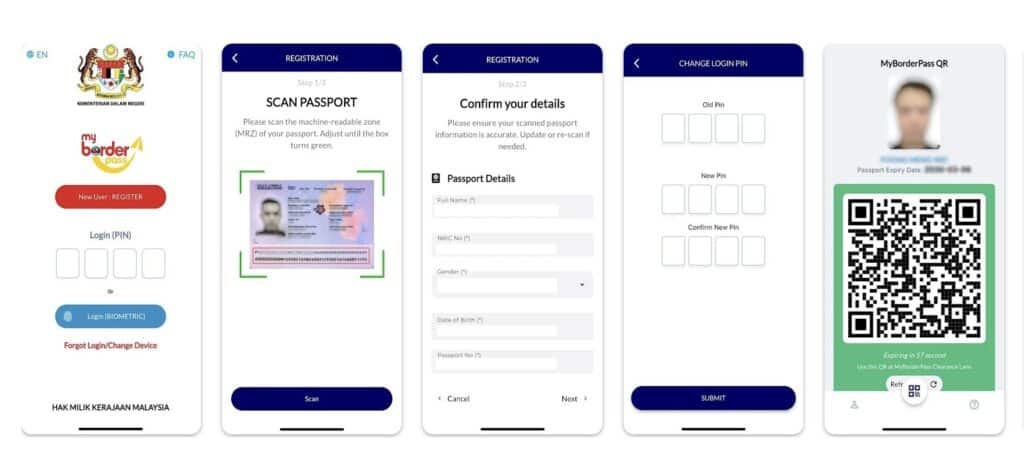
There is a plan by the Malaysian government to expand the use of the Immigration Department’s QR code clearance system for foreign travellers beginning January next year.
For now, only Malaysians use the QR code for border clearance, but the envisaged plan is to make it possible for travellers from at least 63 countries, as well as those with long term entry passes, to use the service from January 1, 2026, according to the Star.
The QR code can be used via the MyBorderPass mobile application. To use the app, a traveller needs to download it, scan their passport details and then complete the registration with face biometrics.
In an outing in Parliament early this month, Home Minister, Datuk Seri Saifuddin Nasution Ismail, confirmed that already, travellers from these countries are making use of the biometric gates for identity checks at the Kuala Lumpur International Airport.
The minister said expanding the system will not only make airport clearance more seamless, it will further reduce the need for immigration officers at immigration posts.
For example, he mentioned that around 172 immigration officers are deployed in the country’s borders, but with the QR code service expansion, the number could drastically drop to about 68.
The minister also mentioned, as Strait Times indicates, that with the QR code, it takes just five seconds to complete a check, as opposed to about 15 seconds with the biometric gates, and several minutes if not hours for manual checks.
The official also noted that travellers can also check their travel status using the MyBorderPass app whose trial was launched at the start of the year and is already downloaded by more than 786,000 people. The app is credited for its efficiency and data security capabilities.
Malaysia completed a pilot for a biometric clearance system at its border with Singapore last year.
Singapore, meanwhile, has also implemented a passport-less system for airport checks whereby travellers use a QR code clearance system for immigration control.
Related Posts
-
 September 10, 2024
 -
 March 18, 2024
 -
 December 13, 2024
 -
 April 3, 2024
 -
 April 22, 2024
 -
August 7, 2024
Article Topics
biometrics | border security | face biometrics | Malaysia | mobile app | MyBorderPass | QR code

Comments