
IATA: Replace physical airport barriers with biometric digital ID to save costs

Airports and the travel experience could be transformed by thinking not in physical barriers, but by using a bit of smart thinking backed by smart technology. That’s the thrust of a new study published by the International Air Transport Association (IATA), which explores how biometric digital ID can lead to a host of improvements.
The new study points to how airports could achieve significant cost savings, operational efficiencies, sustainability gains and improved passenger experience by using biometric digital ID technology to manage the segregation of international and domestic departing passengers.
The Domestic and International Passenger Integration Program (DIPIP) report argues that physical barriers separating passenger flows are no longer necessary, with biometric digital IDs offering a secure and efficient alternative. The report was developed in partnership with engineering and project management firm AtkinsRéalis.
Nick Careen, IATA’s SVP for operations, safety and security, emphasized that savings add up quickly. “A medium-sized airport serving 10 million passengers annually could save up to $80 million of future capital expenditure and considerable annual operational savings through the removal of duplicate facilities and improved operational flexibility,” he said.
This would also reduce annual carbon footprint by 18,000 tonnes, Careen added, which is the equivalent of removing 4,000 cars from the road for a year. The combination of digital technology improving customer experience, making things both more secure and seamless, while considering the environment is top of mind for the next generation of travelers. A global survey from SITA revealed that travelers want faster, smarter and greener journeys that mirror their digital lifestyles.
Removing physical barriers between domestic and international departure flows would simplify journeys. It shortens processing times and reduces minimum connection times by nearly 20 percent, the study highlights. Shared facilities would eliminate duplication in infrastructure, utilities and staffing, which leads to significant savings.
Case studies at major airports identified reductions in staff costs of up to 11 percent, while one ground handling company estimated annual savings of $5.3 million. Airports would also be able to serve more passengers within existing terminal footprints, while consolidation would lower energy use and construction-related emissions.
The DIPIP framework outlines three stages of implementation: Baseline, Integrated and End-State. The final stage envisions a fully digital process where travelers complete identity and travel checks remotely, creating a seamless journey from home to gate.
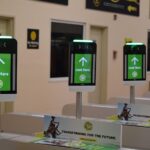
The seamlessness of departures and the speed of navigating immigration is an experience Biometric Update had recently in Singapore Changi airport, which is regularly designated the world’s best airport. Biometric solutions helps to realize this as the SITA Experience Center in Singapore demonstrates, alongside digital ID and a vision similar to IATA’s where the passenger experience starts at home, with pre-clearance.
Gareth Vest, UK&I aviation market director at AtkinsRéalis, said the study demonstrates how digital identity and biometrics can play a significant role in improving passenger experience and delivering cost savings across the aviation sector. “We have a strong working relationship with IATA and were delighted to work on this study, drawing on our own broad experience of integrating biometrics into the passenger journey,” Vest said.
IATA emphasized that implementation can begin within existing regulatory frameworks, provided airports, airlines and border authorities coordinate closely. “Collaboration is essential to unlocking the benefits of integrated passenger flows,” Careen added.
“By working together within existing frameworks and progressively modernizing them we can deliver seamless, secure, and efficient travel for passengers while maintaining the highest standards of safety and compliance.”
A recent report from the World Travel & Tourism Council (WTTC) and SITA calls for border modernization with biometrics and advanced travel authorization as a strategic imperative that could add billions in economic growth and millions of jobs around the world.
The “Better Borders” report forecasts that adoption of technologies like digital travel credentials and policies supporting eVisas could increase global GDP by $401 billion and generate 14 million new jobs in the G20, the European Union and African Union by 2035. The report outlines six key principles and makes 18 recommendations for governments to realize these gains.
Related Posts
-
 December 12, 2024
 -
 May 16, 2025
 -
 September 12, 2025
 -
 April 7, 2025
 -
September 23, 2025
-
 January 29, 2025
Article Topics
ABC gates | airport biometrics | biometrics | digital ID | digital travel | digital travel credentials | International Air Transport Association

Comments