
Rollout delays extend Austria’s EES biometrics contract with secunet again
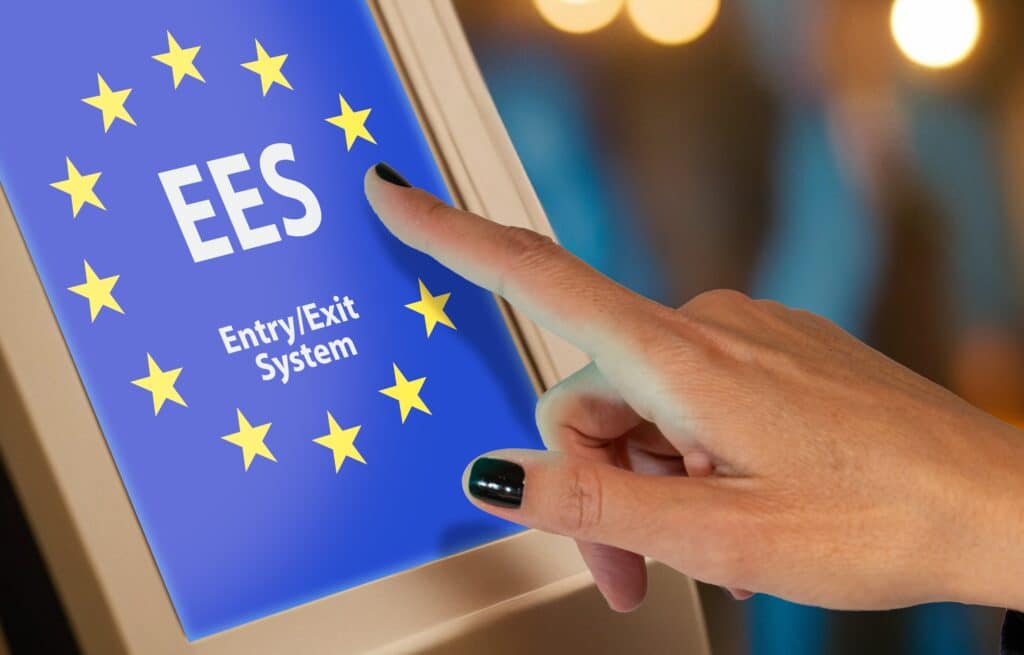
Austria has once again modified its Entry-Exit System (EES) contract with security and biometrics firm secunet, putting the spotlight on ballooning costs brought by delays in rolling out the biometric border scheme.
The two sides originally struck a deal in 2022, signing a contract valued at 14.6 million euros (US$16.7 million) for self-registration kiosks, portable border control systems, camera systems and licenses for a border control application and maintenance.
Since the contract was signed, its value has been modified first to 18.4 million euros ($21 million) in 2023, and then to 22 million euros ($25.2 million) in 2024.
The latest modification extends the agreement between the two sides from the original four-year term, which ended in March 2026, to a seven-year term, or until March 2029.
“The extension of the framework agreement is necessary and proportionate in order to continue utilizing the contractual services in accordance with the actual project duration,” the latest modified contract notes.
The Austrian Federal Ministry of the Interior, which is the official buyer of secunet’s technology, provides an explanation for these changes.
It was assumed at the time the country signed its agreement that the system would go live in September 2022. The European Commission, however, has postponed the introduction of the EES 10 times. This was compounded by delays and instability in the EU central system, operated by eu-LISA, the European agency responsible for managing large-scale IT systems, the Ministry notes.
In total, the biometric project’s implementation period has been extended by three years and seven months. Europe’s long-awaited border registration scheme finally commenced a gradual rollout in October 2025. The system is due to be fully operational on April 10th, meaning that all 29 Schengen area countries must record the entry of all third-country nationals by collecting their biographical data, facial images and fingerprints.
Secunet has also signed a deal with Zurich Airport, while Bulgarian airports are also using its technology for EES compliance.
Related Posts
-
 June 9, 2025
 -
 June 25, 2025
 -
July 7, 2025
-
March 25, 2026
-
 November 19, 2025
 -
 October 1, 2025
Article Topics
Austria | biometrics | border control | Entry/Exit System (EES) | Europe | government purchasing | secunet

Comments