
AI fraud crackdown risks locking blind users out of biometric identity systems
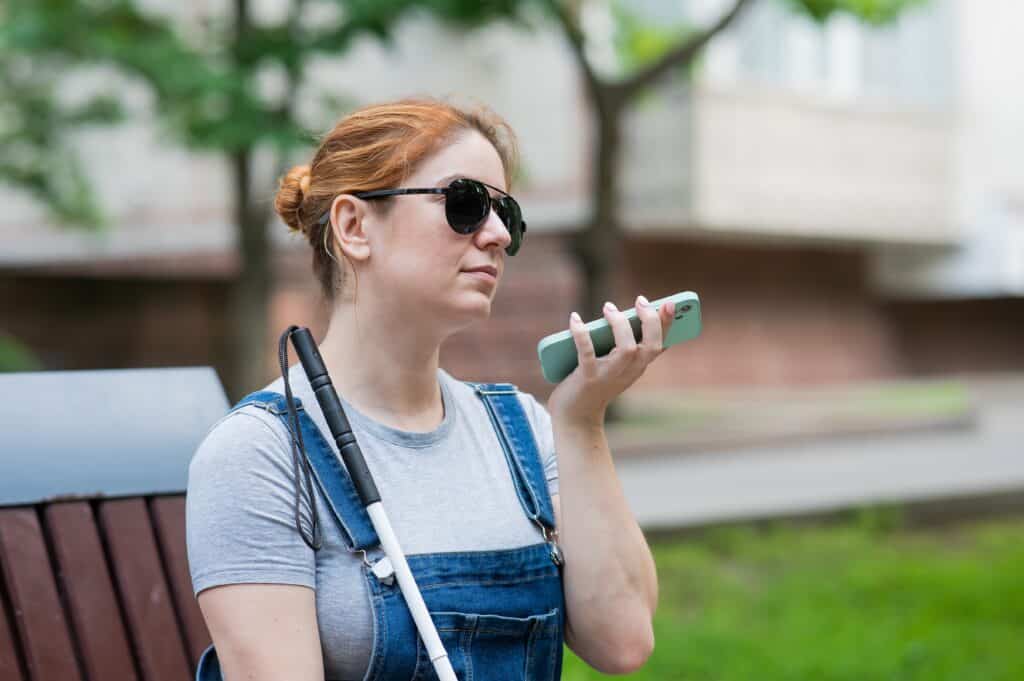
Government identity verification systems are increasingly locking blind and low-vision (BLV) Americans out of essential services as agencies deploy stricter biometric checks to counter AI-enabled fraud, according to a new study.
The research documents accessibility failures in both digital and in-person verification workflows used for programs such as Social Security, Medicare and disability benefits. Researchers argue the failures are not simply usability problems but structural security barriers that push users toward less secure verification channels.
In “Essential, Yet Overlooked: Identity Verification Barriers for Blind and Low Vision People in Government Services,” researchers analyzed 219 Reddit posts and conducted interviews with 16 blind and low-vision participants.
Participants said common biometric verification steps such as selfie-to-ID matching, liveness checks and document uploads were often impossible to complete independently because systems assumed visual interaction.
When automated tools failed, users were pushed toward workarounds such as sharing sensitive information with sighted helpers or relying on phone‑based verification, which many described as their only accessible option.
Researchers warn those fallback channels are increasingly vulnerable to AI-enabled attacks. Participants recounted real incidents of AI‑generated voice impersonation, deepfake‑enabled scams and social engineering attacks.
Several said they could no longer distinguish cloned voices from real ones, raising concerns about the security of telephone verification as agencies phase out alternative methods.
Biometrics emerged as both a necessary defence and a new point of exclusion. Participants supported stronger biometric checks and liveness detection to counter synthetic identity fraud, but said accessibility varied dramatically by implementation.
Systems with audio or haptic guidance such as Apple’s Face ID were usable, while visually guided workflows like ID.me’s facial recognition were effectively inaccessible. Some preferred fingerprint verification as a tactile modality, though legal concerns about compelled biometric unlocking tempered enthusiasm.
Participants also questioned whether biometrics themselves could withstand AI‑enabled spoofing and called for privacy‑preserving architectures, such as local secure enclaves that store biometric data on‑device rather than centrally.
Across the study, BLV users articulated clear expectations for identity systems that are both AI‑resilient and accessible. They called for multiple verification pathways rather than mandatory single‑modality checks, human‑assisted fallback options as a standard feature, accessible feedback at every step of the process, and reusable digital credentials to avoid repeated document submission.
The findings arrive as U.S. agencies tighten identity proofing in response to rising synthetic identity fraud. In early 2025, the Social Security Administration removed phone‑based verification for many services and shifted users toward online biometric workflows or in‑person visits. These changes disproportionately harm BLV, elderly and rural populations, disability advocates argue.
The study concludes that accessibility must be treated as a core security requirement, not an afterthought. Without redesign, the authors warn, every new layer of biometric or AI‑driven verification risks deepening exclusion for the very populations government systems are meant to serve.
Related Posts
-
 January 8, 2026
 -
 February 26, 2026
 -
 March 27, 2026
 -
 February 18, 2026
 -
 August 28, 2025
 -
 July 2, 2025
Article Topics
accessibility | AI fraud | biometric liveness detection | biometrics | identity verification | selfie biometrics

Comments