
Papua New Guinea prepares legal framework for verifiable credentials
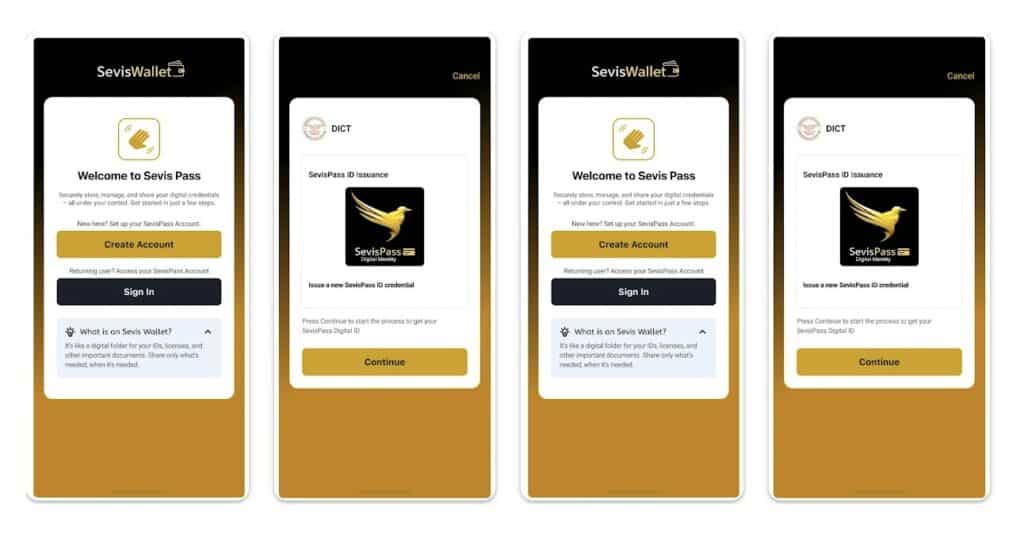
Papua New Guinea is preparing legislation to establish the legal framework for verifiable credentials, trusted digital transactions and data exchange as it accelerates deployment of its national digital public infrastructure ecosystem.
ICT Minister Hon. Peter Tsiamalili Jr said the legislation will create the conditions for citizens to securely prove their identity and access public and private sector services, while strengthening interoperability, building trust in digital services and providing the legal foundation for SevisPass, SevisWallet, SevisDEx and other verifiable credential services being rolled out under PNG’s DPI strategy.
The legislation builds on the country’s National Digital ID Policy and will provide the legal framework for SevisPass, SevisWallet, SevisDEx and other approved verifiable credential services. PNG launched SevisPass and SevisWallet last November with technology partner Tech5.
Tsiamalili noted that there is no time to waste as PNG moves from planning to implementation, with the government targeting a July rollout.
“SevisPass will verify identity. SevisWallet will hold and present trusted credentials. SevisDEx will enable secure, consent‑based data exchange. Verifiable Credentials will allow citizens to prove their qualifications, licences, memberships, entitlements, and status,” the minister said.
The legal framework will enable streamlined and trusted operations for aspects such as banking and financial inclusion, digital Know Your Customer (eKYC), telecoms processes like SIM card registration, and verification of digital credentials, among others.
The draft legislation draws on DPI models from Argentina, India, Singapore, Estonia, Brazil, the UAE and the European Union. PNG recently joined the 50-in-5 campaign to boost its ongoing DPI deployment efforts.
The legislation underscores how countries moving from digital identity pilots to full-scale DPI deployment are increasingly focusing on governance, interoperability and legal frameworks as much as technology infrastructure.
Related Posts
-
 December 5, 2025
 -
April 10, 2026
-
 June 24, 2025
 -
 November 27, 2025
 -
 December 23, 2025
 -
 May 25, 2026
Article Topics
digital public infrastructure | digital wallets | legislation | Papua New Guinea | verifiable credentials

Comments