
Sri Lanka biometrics pilot project awarded to IriTech after MOSIP self-compliance test
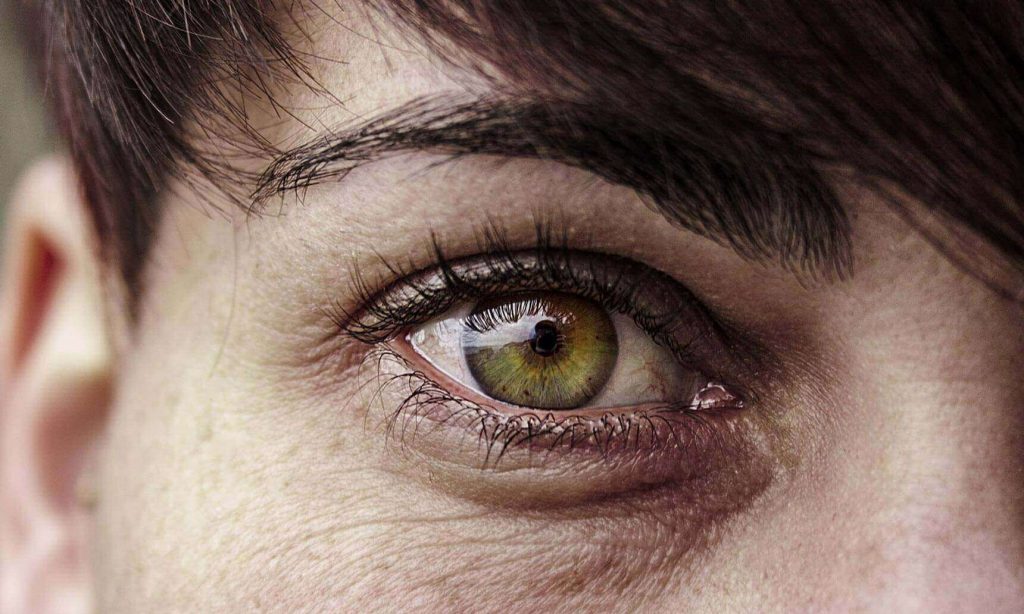
IriTech has announced that it has successfully completed a self-compliance program on its IriSentinel iris biometric scanner device based on the SBI 2.0 specification of the Modular Open Source Identity Platform (MOSIP).
The company also announced in a press release that it was awarded a part of the Sri Lanka Unique Digital Identity Pilot Implementation project with its IriSentinel as the authentication iris biometric device, and said this will be the first MOSIP-compliant iris scanning biometric device to be used for such a project. Sri Lanka has a partnership with MOSIP for the development of its digital identity ecosystem.
With the self-compliance program to MOSIP’s SBI 2.0 specification complete, IriSentinel, a camera the company says boasts top-quality iris biometrics-capturing capabilities, is expected to have significant impact wherever it will be used.
Reacting to the successful completion of the self-compliance process, MOSIP’s Head of Biometric Ecosystem Sanjith Sundaram said: “Interface self-compliance is a one-time effort giving the minimum assurance to countries that the product works well with MOSIP’s interfaces. Since the APIs are pre-validated through this program, the countries can leverage shorter lead times for device deployments with minimal or no additional development efforts.”
This self-compliance test for IriTech’s IriSentinel comes as Morocco and The Philippines are adopting MOSIP, while other countries such as the Republic of Guinea and Ethiopia are carrying out trials using the platform for their national identity systems.
Togo is also said to have initiated the process to use MOSIP software while talks by many other countries to use the platform are at different levels of progress.
IriTech’s IriShield BK2121U, also self-compliance tested to MOSIP SBI 1.0 (L0), was selected in 2020 as the iris enrollment device for The Philippines PhilSys national ID project.
The press release also quoted top IriTech executives as expressing hope that many countries will adopt MOSIP for their ID projects since it can offer both SBI 1.0 (L0) and SBI 2.0 (L1) iris biometrics to customers.
Recently, Suprema ID also announced that it completed a self-compliance MOSIP test on its RealScan-G10 biometric enrollment scanner.
Article Topics
biometric enrollment | biometrics | digital identity | identity management | iris recognition | IriTech | MOSIP (Modular Open Source Identity Platform) | national ID | Secure Biometric Interface (SBI) | Sri Lanka | standards

Comments