
Ethiopia, Morocco, Philippines explain MOSIP journeys as platform registers 110M digital IDs
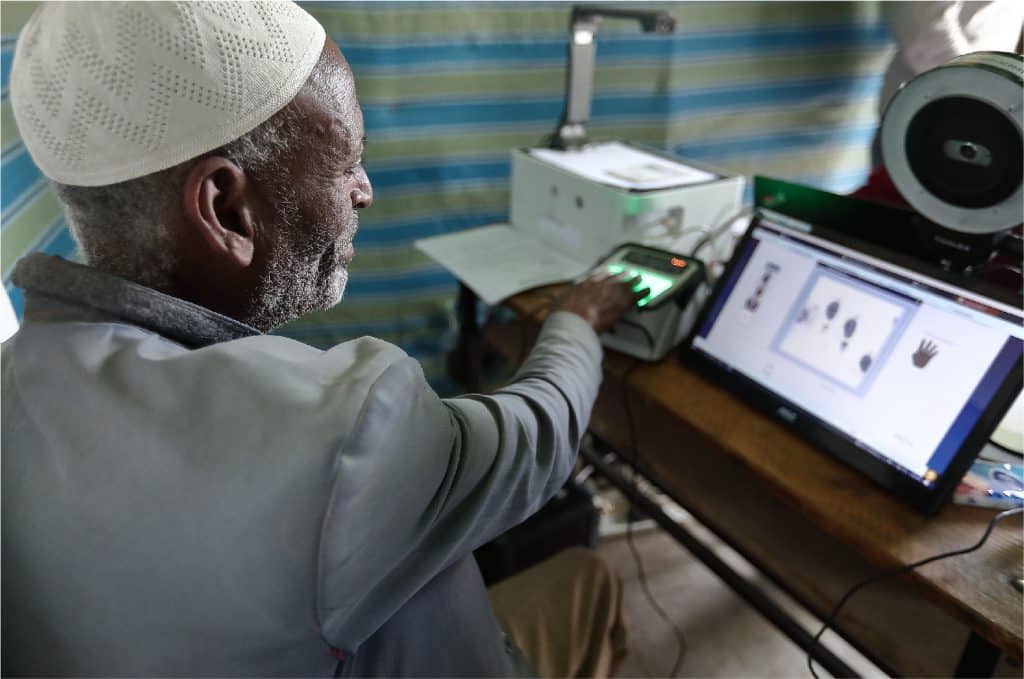
There’s been a lot going on already at the MOSIP Connect 2024 event in Addis Ababa. Some of the standout presentations from day gave attendees an understanding of how some countries implementing MOSIP-based digital ID systems have gone about their journeys.
In a presentation dubbed “Scaling to 100 million IDs: definitive approaches and country learnings,” Morocco and Philippines, which are among of the early adopters of MOSIP, and which have done nationwide rollouts of digital IDs based on the platform, took listeners through a labyrinth of how they got their systems running.
In a fireside chat, two Moroccan officials and two Filipinos from these countries’ ID authorities talked about their successes, challenges and prospects.
For Morocco, MOSIP has enabled the country build a National Population Registry (NPR) used for social programs which provides authentication services and is also pushing ahead the country’s social inclusion efforts, a major policy objective of the country’s leadership, said a Morrocan government representative. He said this has enabled more people to benefit from the country’s social programs such as health insurance and cash transfers. “MOSIP has played a great role in giving life to this policy objective. It has helped the country build its Social and Civil Digital Identifier (IDCS) and national population register,” he mentioned.
Speaking about the Philippines, Rene Mendoza, assistant national statistician of the Philippines Statistics Authority (PSA), which runs the Philippine Identification System (PhylSys), in a declaration that attracted applause from the audience, said they are on record as the first MOSIP-based digital ID program to reach the 50 million enrollment mark in one year. The country is now at over 80 million digital IDs issued, according to the ID authority.
This feat, he noted, was achieved in the heat of the coronavirus pandemic which made enrollment practically difficult for the vast country of 7,000+ islands, forcing ID authorities to adopt a first-things-first strategy that enabled them to optimize their efforts.
Common challenges
Although a strong political will from the highest authority of the land facilitated the implementation process in Morocco, the officials said it was not without challenges. First among them were legal challenges, which meant that new regulatory texts had to be introduced, to fit the exigencies of the new project.
Other challenges faced included putting in place a network of enrollment centers and causing the people to embrace enrollment for the NPR, and seeing the need for it, through convincing communication campaigns.
In the Philippines, one big challenge for them was COVID, and the difficulty in reaching remote and far-flung communities of the country. To surmount this challenge, the PSA had to adopt a house-to-house registration strategy, dispatching mobile teams to conduct enrollment. They also introduced online appointments to facilitate registration and also expanded collaboration with partner agencies and institutions by taking enrollment campaigns to public places such as markets and airports.
In all of these challenges, the countries believe they have learnt so much and grown their experience, which is enabling them to build better.
Ethiopia almost surpassing 4M enrollment mark
Ethiopia is another major MOSIP-based digital ID implementing country with huge ambitions for the medium and long terms.
In a keynote at the start of MOSIP Connect, the Executive Director of the country’s National ID Program (NIPD), Yodahe Zemichael, reiterated their vision of building a sustainable and inclusive digital ID by 2025.
Apart from giving a quick recall of Ethiopia’s relations with MOSIP which, he said, started in 2019, Yodahe explained the various stages which the project has passed through, saying they are now almost going beyond the four million threshold, with a wide window of partnerships, including with a number of UN agencies, to spur greater adoption.
Some of the key principles on which the digital ID system (Fayda) operates, according to Yodahe, are to enhance interoperability with some government agencies, reduce ID duplication, and prevent vendor lock-in, among others.
While heaping praises on MOSIP for giving NIDP “a lot of support,” Yodahe vowed that their plan is to make the Fayda “a model of open source digital ID” and one that can be instrumental in “the promotion of regional and continental integration.”
This post was updated at 2:34pm Eastern on March 6, 2024 to clarify how Morocco is using MOSIP.
Article Topics
biometrics | digital ID | Ethiopia | identity management | Morocco | MOSIP (Modular Open Source Identity Platform) | MOSIP Connect 2024 | national ID | Philippines

Comments