
West Africa wants to move from speeches to action on interoperable digital ID
For West African countries to effectively advance their regional trade and integration efforts, digital public infrastructure (DPI) such as digital ID must be made interoperable and be at the foundation of all cross-border transactions. And this requires a rapid shift from mere slogans to concrete policy actions.
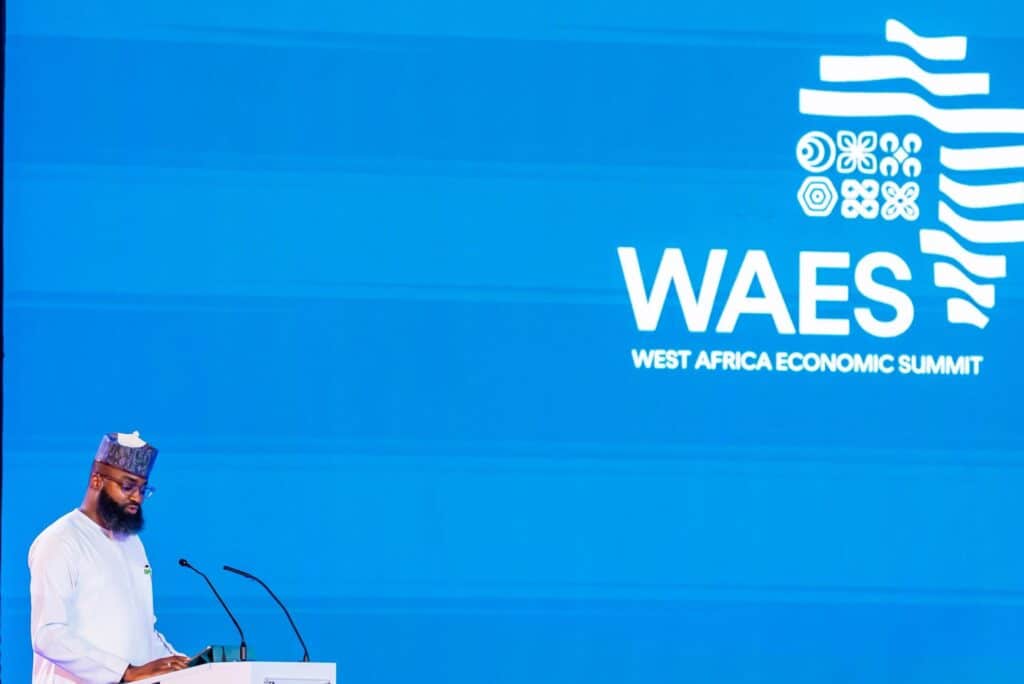
This is according to participants of the 2025 West Africa Economic Summit (WAES) which took place last month.
Held in the Nigerian capital Abuja and attended by stakeholders from government, business and the private sector, the event was a platform for broad-based discussions on ways of clearing the hurdles that have historically stalled the region’s integration efforts.
Attendees reflected on ways of using digital transformation to effectively address challenges of trade and integration, according to Business Day.
At the event, Nigeria’s President Bola Ahmed Tinubu is quoted as saying that in order to achieve this goal, there is the need to invest in infrastructure, including digital, and coordinate policies.
To Tinubu, the event provided an opportunity for West African nations to strengthen their collaboration on meeting shared goals in the areas of financial inclusion, trade facilitation, digital identity and infrastructure.
Stakeholders agreed that while talk about digital ID as a driver of trade and integration in West Africa has been lofty, it was time for countries to get more serious about implementation through policy reforms and strategic action, among other things.
Also speaking on the critical role of digital ID in the facilitation of trade and movements within the West Africa region was the Director General and CEO of the Nigeria’s National Identity Management Commission (NIMC), Abisoye-Coker Odusote, who stated, as quoted, that “digital identity strengthens trade by making the informal visible, reducing fraud, and enabling access to financial services.”
She mentioned cross-border ID verification challenges as some of the hurdles hindering integration progress, and also called for the putting in place of a West Africa digital ID working group and a regional charter to guide drafting of standards and legal frameworks.
“Digital identity is not just infrastructure. It is the nervous system of a modern regional economy. When citizens can move across borders with a recognized and verifiable identity, they can trade, access services, and participate meaningfully in regional growth,” she stated, as quoted by Leadership.
Nigeria’s Foreign Minister Yusuf Tuggar, who also spoke during the summit, underscored the importance of trust in regional trade, noting that digital tools, if properly used, can fill the gaps.
The stakeholders were unanimous that to take intra-regional trade in West Africa above the current 10-15 percent, actions must be expedited on implementing a safe, secure and interoperable digital ID.
Beyond regional digital ID interoperability efforts, there have been advocacy over the years for a unique African continental digital ID to facilitate movements and trade, especially within the context of the Africa Continent Free Trade Area (AfCFTA), which seeks to grow intra-continental trade by an estimated 33.5 percent by 2045.
This advocacy once again came to the fore in one panel discussion during the 2025 Internet Governance Forum which took place in Norway last month. During the event, there were proposals for cross border digital ID pilots for countries that share borders such as Nigeria and Cameroon, or Nigeria and Niger.
Related Posts
-
 May 22, 2025
 -
 November 6, 2024
 -
 December 2, 2024
 -
 December 6, 2024
 -
 October 3, 2024
 -
 August 19, 2024
Article Topics
Africa | digital ID | digital identity | digital public infrastructure | interoperability | National Identity Management Commission (NIMC) | Nigeria | West Africa digital ID

Comments