
Russian banks respond to boom in biometrics adoption
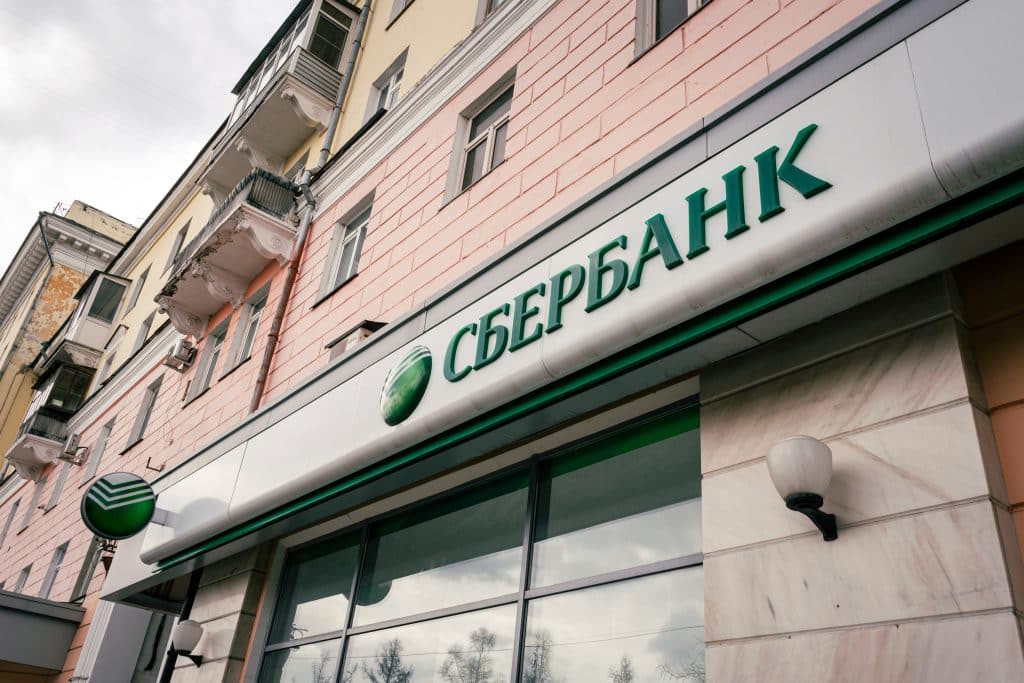
Biometric technologies are being adopted faster than expected in Russia, as over the past year, the number of submitted biometric samples by local people has increased by 4 times, and the number of payments using biometrics has increased by 13 times. The demand for biometric scans is growing from both the population and businesses, which encourages banks to more actively connect to the new technology.
According to the Center for Biometric Technologies (CBT), as of the beginning of August 2025, more than 7 million people are registered in the Unified Biometric System (UBS), which the CBT operates. This figure has grown almost 4 times over the past year and 28 times over the past two years.
As an official spokesman of CBT has said up to 40,000 people register in the system daily, and the current average daily user growth is 5 times higher than in August 2024.
The growth in the number of registrations is primarily due to the increase in the number of services available using biometrics in Russia, according to the Center for Biometric Technologies.
A spokesman of CBT commented: “Over the past year alone, we have launched services for paying for travel in four regional metros, services in the MFC; checking into a hotel without a passport, access to business lounges, the issuance of SIM cards using biometrics, and a number of others.”
Among the most popular services are paying for purchases and travel, issuing SIM cards, remote banking services, additional protection of personal accounts on the government services portal etc.
So far, most of the largest banks in Russia have made significant progress in the use of biometric technologies, although regional banks are still lagging behind due to high integration costs. At present any bank in Russia can connect to the biometric services platform for free. There are no special requirements for capital or the level of technological maturity. Since the project was launched in 2024 up to 15 Russian banks have already joined it — both large and regional, including 12 issuing banks and 3 banks that perform biometric enrollment with a network of special terminals for identifying a client by face and making payments.
“Currently, all leading banks in the country are showing interest in connecting to the NSPK biometric services platform: some are already requesting the necessary information, while others have moved on to technical implementation,” said Sergey Lysenko, head of the NSPK Biometric Services Department.
At the same time, both large federal banks and regional players are currently connecting to the platform. For example, representatives of Alfa Bank, one of Russia’s largest banks, explained that they strive to be on trend with technological changes and provide clients with the maximum range of technological services.
According to Alexey Kirichek, head of the Acquiring and Payment Services Development Department at Alfa Bank, participation in the project will allow the bank to gain advantages and strengthen its position in the market.
“We conducted a pilot launch and immediately saw user interest in the biometric payment method,” Kirichek says.
Biometric purchases skyrocket
In the meantime, Russian customers are also increasingly making daily purchases using biometrics. Thus, according to the Central Bank of the Russian Federation, the number of purchases using biometrics for the year (Q12024/Q1 2025) has grown 13 times – from 3 million to 39 million.
“Moreover, in the first three months of 2025, Russians made more payments using biometrics than in the entire last year,” according to an official spokesman of the Central Bank.
Analysts expect that bioacquiring can quickly push out other types of payments in Russia already in the short term. They believe in the next three to five years, biometrics will take up about 10 to 15 percent of all transactions in Russia. Cards will remain the main payment method, but their share will decrease to about 50 percent due to competition with biometrics and QR codes. At the same time, the transition to biometric scanning is also beneficial for banks because it allows them to reduce costs, particularly those for issuing and servicing cards.
Related Posts
-
 January 20, 2025
 -
 December 13, 2024
 -
 October 8, 2024
 -
 March 19, 2025
 -
 October 1, 2024
 -
 January 6, 2025
Article Topics
biometric enrollment | biometric payments | biometrics | Center for Biometric Technologies | consumer adoption | financial services | Russia

Comments