
Snap selects ConnectID, k-ID for Australian age verification
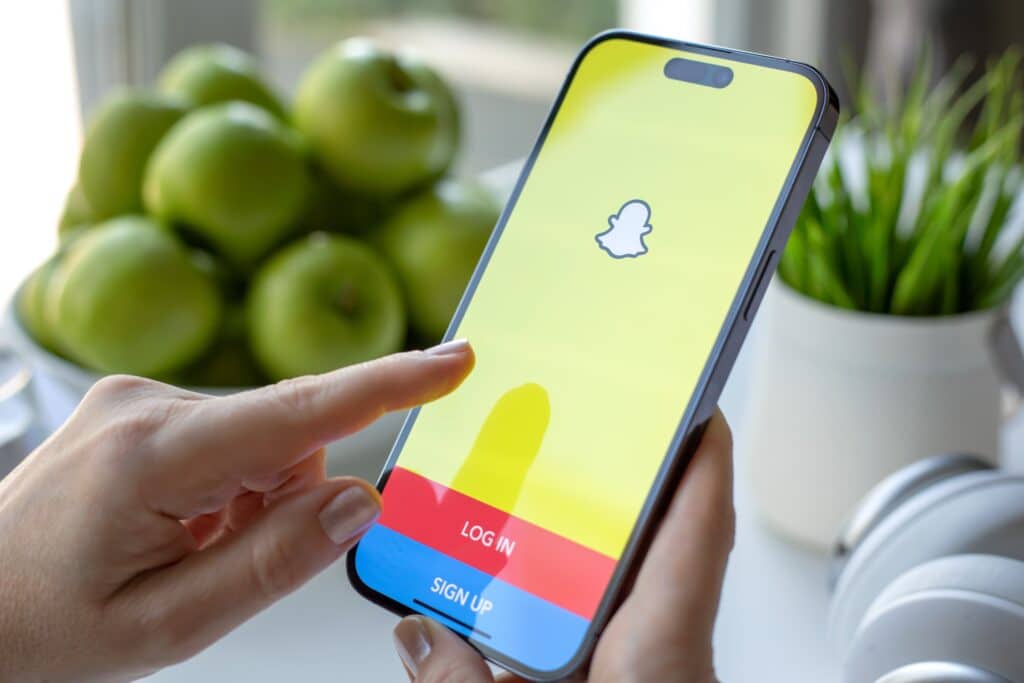
In Australia, Snapchat users can now prove their age using ID document validation or biometrics from k-ID, or with ConnectID, the age assurance system connected to Australia’s banking network, which does not require the submission of any identity documents or biometrics.
The integrations come after Snapchat was named among platforms covered by new regulations limiting social media to users 16 and older. The law, frequently labeled a ban and heavily criticized by social media firms, comes into effect on December 10.
“The goal here is to protect young people online without creating new privacy risks,” says Andrew Black, managing director of ConnectID, in a blog. “People are understandably uneasy about uploading passports or licences to social media apps. This solution shows it’s possible to protect sensitive personal data while helping social media platforms meet their new obligations responsibly.”
Per the blog, ConnectID, which is run by Australian Payments Plus, is already live with CommBank, NAB, ANZ Plus and Westpac, and supports a range of use cases that require verified identity checks. The system confirms a user’s age through their bank details then returns a yes or no, depending on the result. No other data is shared.
In its evaluation by the Australian government’s Age Assurance Technology Trial (AATT), ConnectID is identified as having successfully deployed its age verification for relying parties to facilitate same-day alcohol delivery verification, restrictions on knife sales, and onboarding with telco SIM card activation.
“By leveraging KYC-verified DOBs from banks and enforcing user-controlled consent flows, ConnectID ensures high assurance with minimal friction,” the AATT says. “Its federated architecture, regulatory alignment and zero data retention approach make it ideal for sectors demanding both security and usability.” It passed all of its tests, and is assessed as being at Technology Readiness Level 9 – the trial’s highest level, which indicates that the system has been proven in real-world deployments and is ready for market.
The only catch with ConnectID’s age assurance is that you need a bank account at one of Australia’s major banks – not much of an ask for most 16-year-olds.
Snap Inc., which owns Snapchat, has tried (unsuccessfully) to argue to Australia’s eSafety commissioner that it is not primarily a social media platform, but a messaging app. In a statement published on its website, the company says, “since the very beginning, Snapchat is and has always been, a visual messaging app. The primary purpose of Snapchat is to connect our community with their closest friends and family.”
The post also specifies that, in addition to ConnectID, users can choose to verify their age by scanning an identity document, or undergo selfie-based facial age estimation (FAE), both provided through k-ID.
Snap is expecting significant losses as a result of the Australian legislation and its equivalents developing globally, projecting in a recent earnings report that the laws “are expected to negatively impact DAU and future growth.”
Related Posts
-
 September 1, 2025
 -
 February 27, 2025
 -
 October 13, 2025
 -
 September 9, 2025
 -
 December 3, 2024
 -
November 12, 2025
Article Topics
age verification | Australia | Australia age verification | biometric age estimation | connectID | facial age estimation (FAE) | k-ID | Snapchat | social media

Comments